
Airport ground handling is one of the most complex and time-sensitive operations in the aviation industry. Every turnaround involves dozens of coordinated actions—baggage loading, refueling, catering, cleaning, boarding, de-icing—often performed simultaneously under strict safety regulations and tight schedules. As flight volumes increase and margins remain thin, airports and ground service providers are turning to specialized digital applications to improve coordination, visibility, and operational efficiency across the apron.
TL;DR: Airport ground handling apps enhance operational control by centralizing communication, task management, and real-time data sharing. These platforms reduce turnaround delays, improve safety compliance, and optimize workforce allocation. By integrating with airline and airport systems, they provide predictive insights and performance analytics. Ultimately, digital ground handling solutions are becoming essential tools for maintaining on-time performance and operational resilience.
The Operational Challenges of Ground Handling
Ground handling operations function in a high-pressure environment where even small miscommunications can cause cascading delays. Aircraft turnaround times are often under 45 minutes for short-haul flights, leaving minimal room for error. Coordination must occur between:
- Ramp agents and baggage teams
- Fueling crews
- Catering services
- Aircraft cleaning contractors
- Gate agents and airline operations control
- Air traffic and airport authorities
Traditionally, many of these activities relied on radios, printed load sheets, manual checklists, and fragmented systems. This approach increases the risk of:
- Delayed departures
- Equipment misallocation
- Incomplete compliance documentation
- Safety incidents on the apron
- Limited real-time situational awareness
Modern airport ground handling apps address these inefficiencies by consolidating workflows into digital, mobile-first platforms accessible on tablets and ruggedized smartphones.
Core Functions of Ground Handling Applications
High-performing ground handling apps typically include a combination of operational control, workforce management, and analytics features. Their primary goal is to create a single source of operational truth for all stakeholders involved in aircraft turnaround.
1. Real-Time Task Assignment and Tracking
Supervisors can assign tasks instantly to ramp teams and monitor completion status in real time. When a delay occurs—such as late-arriving baggage or fueling constraints—the system automatically updates relevant teams.

Digital task boards often replace physical whiteboards, offering:
- Live turnaround countdown timers
- Color-coded task statuses
- Automated escalation alerts
- Integrated shift scheduling
2. Mobile Checklists and Compliance Reporting
Safety and regulatory requirements are central to ground handling. Apps provide digital checklists for pre-departure inspections, hold loading verification, and equipment validation.
Key benefits include:
- Automatic timestamp logging
- Mandatory step verification
- Photo documentation uploads
- Digital audit trails for regulators
This reduces paperwork errors and ensures accountability across teams.
3. Resource and Equipment Allocation
Ground support equipment (GSE) such as belt loaders, tow tractors, and GPUs must be available at precise moments. Advanced applications feature resource management dashboards that track:
- Equipment availability by location
- Maintenance schedules
- Utilization rates
- Predictive servicing alerts
This capability minimizes idle equipment and prevents shortages during peak operations.
4. Integration with Airline and Airport Systems
Modern solutions integrate with flight information systems, crew management platforms, and airline operations control centers. This integration enables automatic updates when:
- Flight arrival times change
- Gate assignments shift
- Aircraft types differ from schedule
- Passenger loads exceed forecast
Real-time synchronization ensures all stakeholders operate with consistent data.
Types of Ground Handling Apps in the Market
Several specialized software platforms cater to the aviation ground services sector. While their feature sets differ, most aim to streamline operational coordination and improve on-time performance metrics.
Below is a simplified comparison of common categories and representative platforms:
| Platform Category | Primary Focus | Key Strength | Best For |
|---|---|---|---|
| Turnaround Management Systems | Aircraft task coordination | Real-time milestone tracking | Airlines and large hubs |
| Ramp Resource Management Tools | Equipment and workforce allocation | GSE utilization optimization | Ground handling companies |
| Mobile Inspection Apps | Safety and compliance reporting | Digital audit capabilities | Regulated operators |
| Integrated Operations Platforms | End-to-end airport coordination | System-wide data visibility | International airports |
When evaluating solutions, airports and handlers must consider integration capability, scalability, data security standards, and user interface simplicity.
Enhancing Communication Across the Apron
A major advantage of ground handling apps is structured digital communication. Rather than relying solely on radio transmissions—which can be misheard or overlooked—apps provide secure messaging features tied directly to specific flights or tasks.

These systems enable:
- Flight-specific chat channels
- Instant delay notifications
- Photo sharing for damage reporting
- Automatic read confirmations
The result is clearer accountability and reduced reliance on verbal communication in noisy ramp environments.
Data Analytics and Performance Optimization
Ground handling apps are increasingly powered by analytics engines that transform operational data into actionable insights. Rather than merely tracking past performance, advanced systems now identify patterns that support predictive planning.
Common analytics features include:
- On-time performance dashboards with root cause categorization
- Turnaround benchmarking by aircraft type
- Labor productivity analysis
- Weather impact modeling
Airport managers can use these insights to reallocate staff during peak periods, adjust buffer times for specific aircraft models, and improve service level agreements with airline partners.
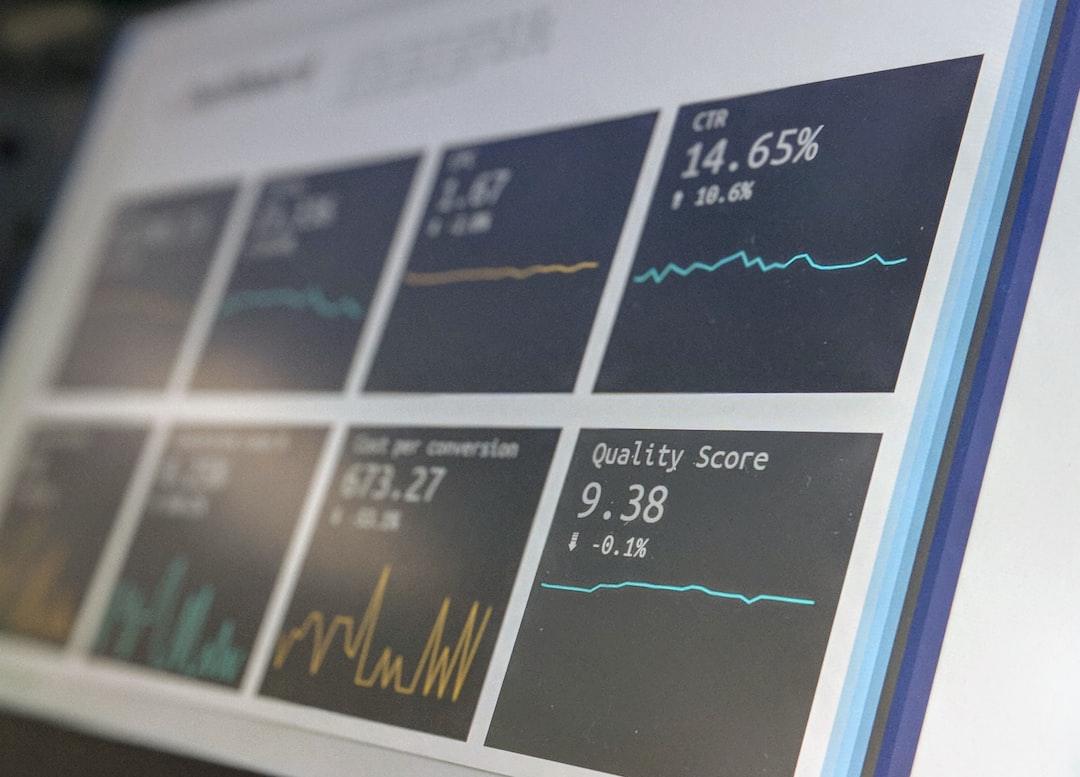
Data transparency also strengthens collaboration between airlines and ground service providers. Clearly defined performance metrics reduce disputes and support more accurate contract negotiations.
Workforce Management and Training Support
Labor represents a substantial portion of ground handling costs. Efficient workforce scheduling and credential tracking are therefore critical. Many apps now incorporate:
- Digital shift bidding
- Qualification tracking for aircraft types
- Fatigue monitoring tools
- Automated overtime calculations
Some platforms also include micro-learning modules that reinforce safety protocols directly within the application interface. This promotes ongoing skill development without removing staff from operational duties for extended classroom sessions.
Safety Improvements Through Digitalization
Apron environments are inherently hazardous. Heavy machinery, jet blasts, confined spaces, and adverse weather conditions require strict adherence to safety procedures. Ground handling apps increase safety in several measurable ways:
- Immediate hazard reporting with geotagging
- Digital incident escalation workflows
- Automated risk assessments before task initiation
- Equipment lockout verification systems
By digitizing these processes, organizations reduce underreporting and create a more transparent safety culture.
Scalability for Growing Airports
Air traffic continues to grow globally, particularly in emerging markets. Digital platforms provide scalability that manual systems cannot match. As flight frequencies increase, systems can adapt by:
- Expanding user licenses
- Integrating new airline customers
- Automating additional workflow stages
- Centralizing multi-airport operations under a unified platform
This scalability ensures consistency in service standards across terminals and international locations.
Implementation Considerations
While the benefits are clear, successful adoption requires structured implementation planning. Organizations should consider:
- Stakeholder engagement: Involving ramp supervisors, dispatchers, and IT teams early in the process.
- Phased deployment: Starting with pilot terminals before airport-wide rollout.
- Training programs: Ensuring staff are comfortable with mobile interfaces.
- Cybersecurity protocols: Protecting sensitive flight and passenger data.
Integration with legacy systems often represents the most complex stage of deployment. Open APIs and standardized aviation messaging formats can significantly ease this process.
The Future of Ground Handling Apps
Emerging technologies will further strengthen ground operations management. Artificial intelligence is already being used to predict delay risks based on weather patterns and historical data. Computer vision may soon assist with automated damage detection during aircraft inspections. Additionally, Internet of Things (IoT) sensors embedded in GSE will feed real-time condition data directly into handling platforms.
In the long term, the goal is a highly autonomous, data-driven apron environment where decision-making is supported by predictive insights rather than reactive adjustments.
Conclusion
Airport ground handling apps have evolved from optional digital add-ons into mission-critical infrastructure for modern aviation operations. By centralizing communication, improving task visibility, and enabling real-time analytics, these platforms enhance coordination across complex apron environments. They reduce delays, reinforce safety compliance, and optimize labor and equipment utilization.
As airports face increasing passenger volumes and operational pressures, the adoption of integrated, mobile-enabled ground handling solutions is no longer simply a competitive advantage—it is a strategic necessity. In an industry where minutes matter and safety is paramount, digital coordination tools are reshaping how aircraft turnarounds are managed and how airports maintain operational excellence.