
Beekeeping has always required careful observation, patience, and detailed record-keeping. Today, however, modern technology allows beekeepers to go far beyond handwritten hive logs. Advanced beekeeping software platforms now collect, organize, and analyze hive data in ways that significantly improve colony health management, honey production forecasting, and operational efficiency. For both hobbyists and commercial apiarists, adopting the right digital tools can mean the difference between reactive troubleshooting and proactive hive management.
TLDR: Modern beekeeping software helps beekeepers collect, analyze, and interpret hive data more efficiently than traditional record-keeping methods. These tools track colony health, environmental conditions, productivity metrics, and inspection logs in one centralized platform. By leveraging data analytics and automation, beekeepers can detect problems early, optimize honey yields, and make informed management decisions. Choosing the right platform depends on operation size, budget, and desired features.
Why Data-Driven Beekeeping Matters
Hive management has grown increasingly complex. Climate fluctuations, pests such as Varroa destructor, pesticide exposure, and fluctuating forage availability all place pressure on colonies. In response, beekeepers are turning to software solutions that provide structured insights rather than relying solely on manual observation.
Effective data analysis allows beekeepers to:
- Detect disease outbreaks early
- Monitor brood development trends
- Track queen performance
- Evaluate nectar flow patterns
- Optimize feeding schedules
- Compare multi-yard productivity
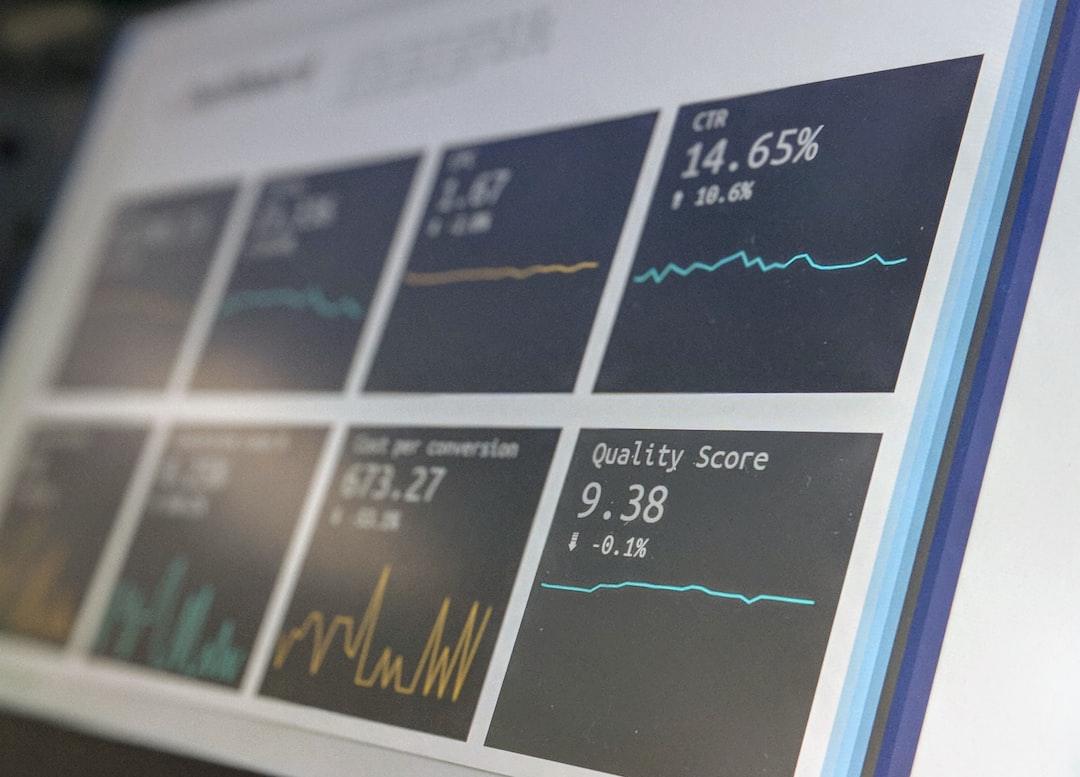
Rather than reviewing scattered notes, software consolidates years of records into searchable, visual dashboards that reveal patterns not obvious during routine inspections.

Core Features of Effective Beekeeping Software
Not all beekeeping software offers the same capabilities. Professional-grade platforms typically include the following critical functions:
1. Hive Inspection Logging
Digital inspection logs replace paper notebooks with structured data entry forms. Beekeepers can record:
- Brood pattern quality
- Queen presence
- Honey and pollen stores
- Pest load indicators
- Temperament observations
These logs create time-stamped historical records that allow trend analysis over months or years.
2. Environmental Monitoring Integration
Some platforms integrate directly with IoT hive sensors measuring:
- Internal temperature
- Humidity levels
- Hive weight
- Acoustic signals
This real-time data enables early alerts when colonies swarm, food stores decline, or internal temperature regulation begins to fail.
3. Analytics and Reporting Tools
High-quality software transforms raw numbers into:
- Visual charts
- Productivity graphs
- Colony comparison tables
- Seasonal performance reports
This analytical capability is what distinguishes digital tools from simple note-taking apps.
4. Task and Workflow Management
Commercial beekeepers managing dozens or hundreds of hives benefit from automated task scheduling. The software can generate reminders for:
- Varroa treatments
- Queen replacement cycles
- Hive splits
- Harvest dates
Missed tasks often contribute to colony losses. Automated scheduling reduces this risk significantly.
Leading Beekeeping Software Platforms
Several software providers specialize in hive data management. Below is a comparison of some widely used solutions.
| Software | Best For | Key Features | Sensor Integration | Analytics Depth |
|---|---|---|---|---|
| HiveTracks | Hobbyists and small scale operations | Inspection logs, yard mapping, reporting | Limited | Moderate |
| Arnia | Commercial apiaries | Live hive monitoring, alerts, productivity analysis | Advanced built in | High |
| BeeKeepPal | Mobile focused users | Mobile inspections, offline data entry | Third party compatible | Moderate |
| Apiary Book | Budget conscious beekeepers | Hive logs, reminders, simple reports | No | Basic |
Each solution addresses different scales and operational requirements. Commercial operators typically prioritize automation and sensor integration, while hobbyists may focus on affordability and simplicity.
How Software Improves Hive Health Outcomes
Analyzing hive data more effectively leads directly to healthier colonies. Rather than responding after visible decline, beekeepers can intervene based on predictive signals.
For example:
- A gradual weight loss trend may indicate inadequate forage before starvation risks appear.
- Temperature instability can suggest brood disruption or queen failure.
- Repeated elevated mite counts in logs signal treatment resistance or reinfestation.
When such patterns are identified through dashboards and alerts, intervention becomes precise and timely.
Benefits for Commercial Operations
Commercial beekeepers managing pollination contracts and honey production at scale face unique challenges. Beekeeping software delivers strategic advantages in areas such as:
Operational Standardization
Employees can follow uniform inspection templates, ensuring consistent data collection across locations.
Performance Benchmarking
Managers can compare:
- Yard productivity rates
- Hive survival percentages
- Queen lineage outcomes
- Treatment effectiveness
This benchmarking supports data-backed management decisions rather than subjective assessments.
Regulatory Compliance
Accurate digital records simplify documentation for food safety standards, organic certifications, and agricultural inspections.
Advantages for Hobbyist Beekeepers
While large-scale apiaries benefit significantly, small-scale beekeepers also gain valuable insights.
For hobbyists, software can:
- Provide structured learning tools
- Track seasonal development year over year
- Improve winter preparation planning
- Document queen lineage success
Even managing just a few hives becomes more systematic and less reliant on memory.
Integrating IoT Sensors and Smart Hive Technology
The most advanced platforms integrate with in-hive sensors. These devices continuously transmit metrics to cloud-based dashboards, allowing remote monitoring without disturbing colonies.
Common smart hive metrics include:
- Weight scales to detect nectar flow and honey harvest timing
- Temperature probes to monitor brood chamber stability
- Humidity sensors to identify moisture issues
- Acoustic sensors to detect swarming signals
Such integrations transform beekeeping from reactive inspection cycles into continuous monitoring systems.

Data Security and Reliability Considerations
Because beekeeping software often stores years of production and financial data, reliability is essential. When evaluating a platform, consider:
- Cloud backup protocols
- Data export capabilities
- Offline functionality
- User access controls
Professional operations especially should ensure that their data is secure, backed up regularly, and exportable to prevent vendor lock-in.
Choosing the Right Software for Your Apiary
Selecting the appropriate solution depends on clearly defining operational goals. Ask the following questions:
- How many hives are being managed?
- Do you require real-time monitoring?
- Is mobile access essential?
- How detailed should analytics be?
- What is the annual budget?
A small backyard beekeeper may not require continuous sensor data, whereas a migratory pollination operation managing thousands of colonies likely does.
The Future of Hive Data Analysis
The trajectory of beekeeping technology points toward increasing automation and artificial intelligence integration. Emerging platforms are already exploring:
- Predictive colony loss modeling
- Automated mite infestation detection
- Machine learning yield forecasting
- Swarm probability alerts
As datasets expand across regions and climates, predictive accuracy will improve significantly. This evolution may ultimately contribute to broader pollinator protection efforts by enabling earlier intervention at scale.
Conclusion
Beekeeping remains both an art and a science. While traditional observational skills cannot be replaced, they can be significantly enhanced through structured data analysis. Beekeeping software provides centralized records, advanced analytics, automation tools, and sensor integrations that allow beekeepers to manage colonies more precisely and efficiently.
By investing in the right platform, apiarists gain more than convenience; they gain clarity. With accurate data interpretation, timely interventions, and strategic planning, hive health improves, productivity increases, and losses decline. In an era of environmental uncertainty, data-driven beekeeping is not merely advantageous—it is increasingly essential.