
Choosing web hosting can feel like picking a pizza place in a new town. Everyone promises speed. Everyone says they are “the best.” But your small business needs more than big talk. You need a host that is fast, safe, easy, and not scary when something breaks.
TLDR: For most small businesses, SiteGround, Hostinger, and Bluehost are the safest all-around picks. If you want low prices, choose Hostinger. If you want strong support and speed, choose SiteGround. If you want simple WordPress setup, choose Bluehost or DreamHost.
Let’s compare 10 reliable web hosting providers. No tech fog. No confusing wizard talk. Just simple advice you can use.
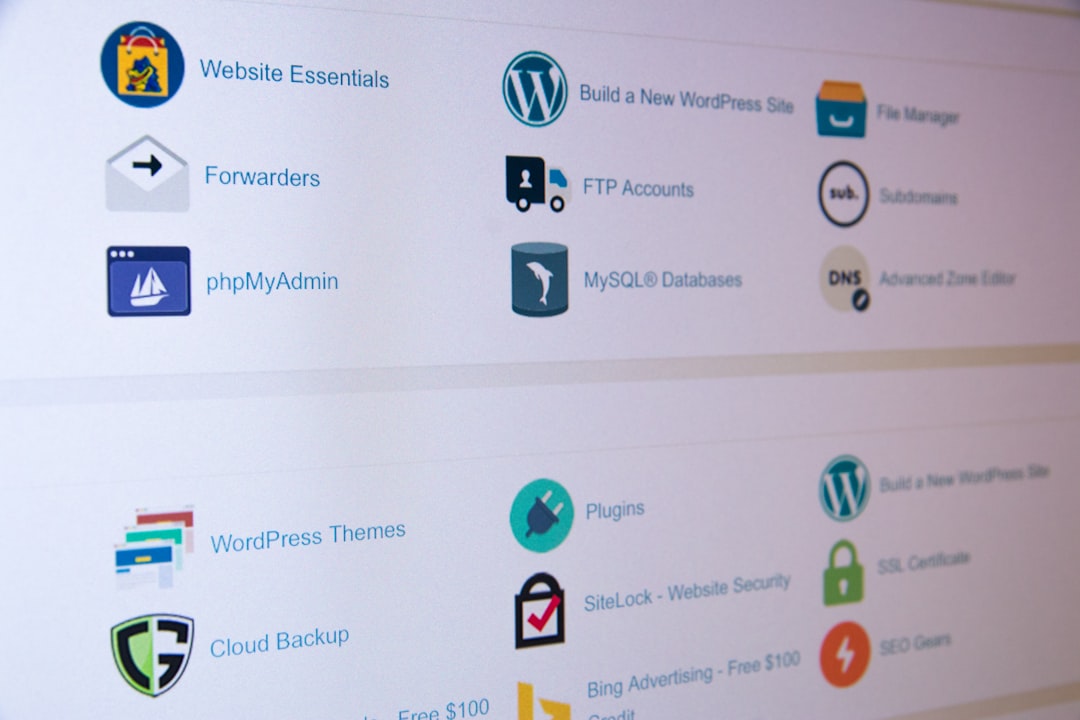
What small businesses need from web hosting
Your website is your digital storefront. It should open fast. It should stay online. It should feel safe. It should not need a full-time tech genius.
Look for these basics:
- Good uptime: Your site should not vanish.
- Fast loading: People leave slow sites.
- Helpful support: You need answers when panic hits.
- Easy tools: Simple dashboards save time.
- Room to grow: Your hosting should scale with sales.
- Free SSL: This adds the padlock in browsers.
Quick comparison table
| Provider | Best For | Main Strength |
|---|---|---|
| SiteGround | Service businesses | Support and speed |
| Hostinger | Budget users | Low prices |
| Bluehost | WordPress beginners | Easy setup |
| DreamHost | Simple websites | Fair pricing |
| A2 Hosting | Speed seekers | Performance options |
| InMotion Hosting | Growing businesses | Business features |
| GreenGeeks | Eco-minded brands | Green hosting |
| HostGator | Basic sites | Simple plans |
| GoDaddy | All-in-one buyers | Domains and hosting |
| Cloudways | Advanced users | Managed cloud power |
1. SiteGround
SiteGround is a favorite for small businesses that want peace of mind. Its support is friendly. Its servers are fast. Its WordPress tools are polished.
It is great for local services, consultants, and growing shops. The dashboard is clean. Backups are simple. Security tools are strong.
Best for: businesses that want reliable support and speed.
2. Hostinger
Hostinger is the budget hero. It often costs less than a weekly coffee habit. Yet it still gives good performance.
The control panel is simple. Setup is quick. It also includes useful tools for WordPress users. Just watch renewal prices, as with most hosts.
Best for: startups, side hustles, and budget websites.
3. Bluehost
Bluehost is popular with WordPress beginners. It makes setup easy. You can launch a site without wrestling a robot.
It includes one-click WordPress installs, a free SSL, and beginner-friendly tools. Support is decent. Performance is fine for most small sites.
Best for: new WordPress websites and simple business pages.

4. DreamHost
DreamHost is calm, simple, and steady. It has clear pricing. It also has a long money-back guarantee on many shared plans.
DreamHost works well for blogs, portfolios, and company websites. It is not flashy. That is okay. Sometimes boring is beautiful.
Best for: small businesses that want simple, honest hosting.
5. A2 Hosting
A2 Hosting cares a lot about speed. Its higher plans can be very fast. That helps if your site has many pages, images, or plugins.
It offers shared, VPS, and dedicated hosting. So you can start small and upgrade later. The setup can feel a bit more technical than some rivals.
Best for: businesses that want speed and growth options.
6. InMotion Hosting
InMotion Hosting feels built for business users. It offers solid support, good storage, and useful hosting plans.
It is a strong pick for agencies, service providers, and ecommerce starters. Some plans include helpful marketing tools. The company also has long experience in hosting.
Best for: growing small businesses that want business-ready features.
7. GreenGeeks
GreenGeeks adds an eco-friendly twist. It matches its energy use with renewable energy credits. That is a nice bonus for brands that care about sustainability.
It also has good speed, free SSL, backups, and WordPress tools. It is not just “green.” It is also practical.
Best for: eco-conscious businesses and modern brands.
8. HostGator
HostGator is one of the older names in hosting. It offers simple shared hosting plans. It is easy to start and fine for basic sites.
If you need a small brochure site, it can work well. If you expect heavy traffic, compare upgrade options first. The interface is familiar but not the freshest.
Best for: basic websites and simple online launches.
9. GoDaddy
GoDaddy is best known for domains. But it also sells hosting, email, and website tools. This makes it convenient.
You can keep many website services in one account. That is handy. But be careful with add-ons. The cart can fill up fast, like snacks at checkout.
Best for: business owners who want domains, email, and hosting together.
10. Cloudways
Cloudways is different. It gives managed hosting on cloud providers like DigitalOcean, AWS, and Google Cloud. That means more power and control.
It is not the best choice for total beginners. But it is great if your site is growing fast. It can handle more traffic than basic shared hosting.
Best for: growing stores, busy sites, and users with some tech comfort.

Which host should you choose?
If you want the best overall, choose SiteGround. It is fast, safe, and helpful.
If you want the cheapest good option, choose Hostinger. It gives strong value for small budgets.
If you want the easiest WordPress start, choose Bluehost. It keeps setup simple.
If you want eco-friendly hosting, choose GreenGeeks. It gives your brand a greener story.
If you are building a larger or faster site, look at Cloudways or A2 Hosting. They offer more performance room.
Final tips before you buy
- Check the renewal price, not just the first deal.
- Make sure SSL is included.
- Choose a plan with daily or easy backups.
- Pick support that fits you, like chat or phone.
- Do not overbuy on day one.
Small business hosting does not need to be stressful. Start with what you need today. Leave room for tomorrow. Your website can grow as your business grows. Like a tiny plant. But with fewer bugs. Hopefully.