
Polyester is everywhere: in gym leggings, rain jackets, dresses, upholstery, swimwear, uniforms, and even bedsheets. Yet one question comes up often when people shop for clothing or fabric: is polyester stretchy? The short answer is: sometimes. Polyester can feel firm and structured, or soft and flexible, depending on how it is made, knitted, woven, or blended with other fibers.
TLDR: Polyester itself has limited natural stretch, but it can become stretchy through fabric construction or fiber blends. Knitted polyester stretches more than woven polyester, and polyester mixed with spandex or elastane can stretch significantly. Stretchable polyester is common in activewear, swimwear, sports uniforms, and comfortable everyday clothing.
So, Is Polyester Naturally Stretchy?
Polyester is a synthetic fiber made from petroleum-based polymers. In its basic fiber form, it is not highly stretchy compared with materials like spandex, elastane, or rubber. However, polyester has some useful flexibility and resilience. It can bend, recover its shape, and resist wrinkles better than many natural fibers.
What often causes confusion is that people experience polyester in many different forms. A stiff polyester lining in a blazer may barely stretch at all, while a pair of polyester workout leggings may feel extremely elastic. Both are polyester, but they are made differently.
The stretch of polyester fabric depends mainly on three things:
- Fabric construction: Whether it is woven, knitted, or engineered as a performance textile.
- Fiber blend: Whether polyester is combined with spandex, elastane, rayon, cotton, or other fibers.
- Finishing process: Heat setting, texturizing, and mechanical treatments can affect flexibility and recovery.
Woven Polyester vs. Knit Polyester
One of the biggest factors in polyester stretch is whether the fabric is woven or knitted.
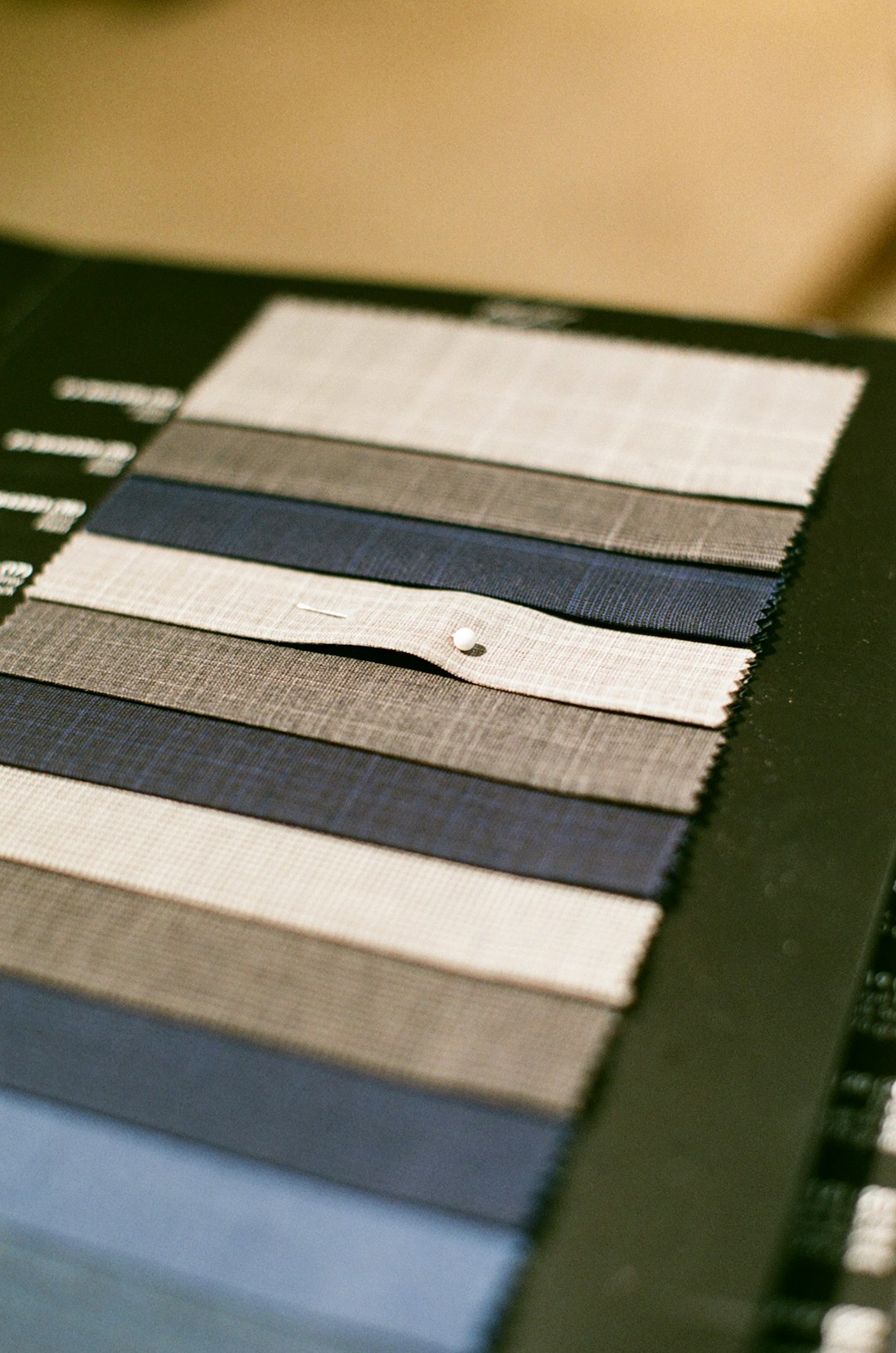
Woven polyester is made by interlacing yarns at right angles. This structure is usually stable, smooth, and resistant to stretching. It is often used for dress shirts, linings, trousers, curtains, and outdoor fabrics. Unless it includes elastane or is specially engineered, woven polyester typically has minimal stretch.
Knit polyester, on the other hand, is made from interlocking loops of yarn. Because the loops can shift and expand, knit fabrics naturally have more give. This is why polyester jersey, mesh, fleece, and interlock fabrics often feel more flexible. Even without spandex, knit polyester can stretch enough to feel comfortable during movement.
Think of it this way: woven polyester behaves like a grid, while knit polyester behaves like a chain of loops. The looped structure gives knit polyester its softer, more forgiving feel.
What Makes Polyester Stretchy?
Stretchable polyester usually gets its elasticity from one or more design features. The most common is a blend with spandex, also called elastane or Lycra. Even a small amount, such as 2% to 5%, can noticeably improve stretch and comfort. Higher percentages, such as 10% to 20%, are often found in compression leggings, swimsuits, and performance wear.
Polyester yarn can also be texturized. Texturizing gives the yarn a crimped or spring-like shape, creating more volume, softness, and stretch. This process is common in athletic and technical fabrics because it improves comfort without necessarily requiring a large amount of spandex.
Another factor is mechanical stretch. Some polyester fabrics are engineered so the structure itself allows stretch, even without elastic fibers. These fabrics may be labeled as “mechanical stretch polyester” and are popular in travel clothing, uniforms, and outdoor apparel.
Two-Way Stretch vs. Four-Way Stretch
When shopping for stretchable polyester fabrics, you may see the terms two-way stretch and four-way stretch.
- Two-way stretch means the fabric stretches in one direction, usually across the width. This is common in many casual garments and light activewear.
- Four-way stretch means the fabric stretches both across the width and along the length. This gives better mobility and is ideal for leggings, dancewear, swimwear, and sports clothing.
Four-way stretch polyester is usually blended with spandex or elastane. It moves with the body and recovers well, meaning it returns to its original shape instead of becoming baggy or saggy.

Common Types of Stretchable Polyester Fabrics
Not all polyester fabrics feel the same. Here are some common stretchable varieties:
- Polyester spandex: A flexible blend used in leggings, fitted tops, swimwear, costumes, and sportswear.
- Polyester jersey: A soft knit fabric with moderate natural stretch, often used for T-shirts, dresses, and loungewear.
- Polyester fleece: Warm, soft, and slightly stretchy, commonly used for hoodies, jackets, and blankets.
- Performance mesh: Lightweight and breathable, often used in sports jerseys and training apparel.
- Scuba knit: A thicker polyester blend with a smooth surface and springy structure, popular for dresses and structured garments.
- Mechanical stretch polyester: Designed for movement without relying heavily on elastane, often used in travel pants and uniforms.
Does Polyester Stretch Out Over Time?
Polyester is known for its shape retention. Compared with cotton, wool, or rayon, it usually resists stretching out and sagging. This is one reason it is widely used in activewear and uniforms. A polyester garment can often handle repeated washing, wearing, and movement without losing its form.
However, stretchable polyester blends can lose elasticity if they are exposed to high heat, harsh detergents, or excessive wear. The polyester itself may remain stable, but the spandex content can break down. When that happens, the fabric may feel loose, ripple, or fail to snap back properly.
To keep stretch polyester in good condition, it is best to:
- Wash it in cool or warm water rather than hot water.
- Avoid high dryer heat, especially for spandex blends.
- Skip bleach and harsh fabric treatments.
- Let activewear air dry when possible.
- Follow the care label, especially for technical fabrics.
Is Stretch Polyester Comfortable?
Stretch polyester can be very comfortable, especially when it is used in the right garment. It is lightweight, durable, wrinkle-resistant, and quick drying. In activewear, it helps wick moisture away from the skin, making it a practical choice for exercise and warm weather.
That said, comfort depends on fabric quality. Some lower-quality polyester fabrics may feel rough, overly synthetic, or less breathable. Modern performance polyester, however, can be soft, smooth, and surprisingly luxurious. Blends with rayon, modal, cotton, or elastane can also improve drape and feel.
For people with sensitive skin, it may be worth testing the fabric before buying. A brushed polyester fleece may feel cozy, while a cheap woven polyester may feel scratchy. The label tells you the fiber content, but your hands and skin tell you the real story.
Polyester Stretch in Clothing and Home Textiles
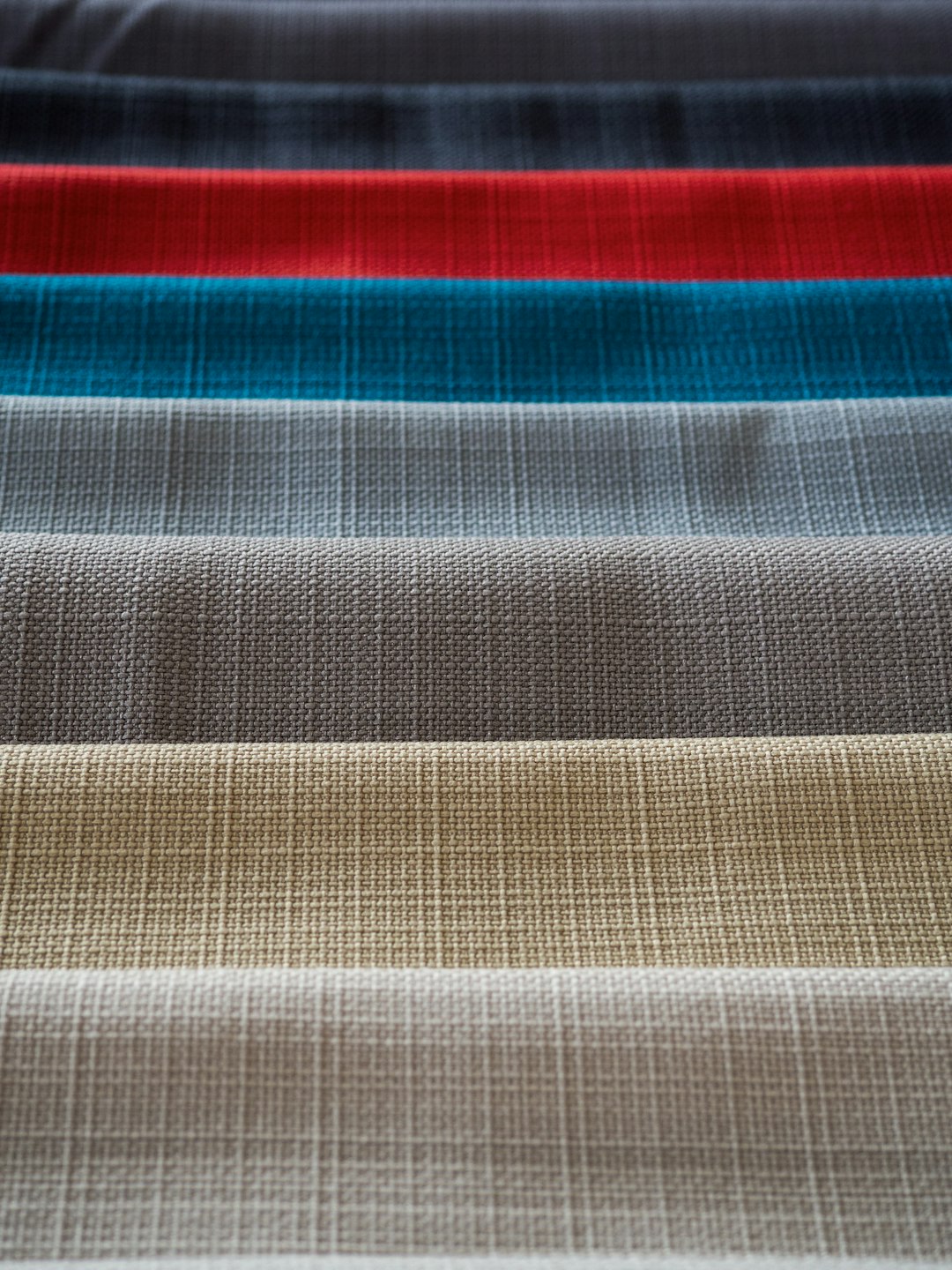
Stretchable polyester is especially common in clothing designed for movement. You will see it in yoga pants, cycling shorts, swimsuits, dance costumes, fitted dresses, athletic shirts, underwear, and compression garments. It is also used in workwear because it holds its shape, resists wrinkles, and can be easy to clean.
In home textiles, polyester may be used for stretch slipcovers, fitted sheets, upholstery, and cushion fabrics. A polyester spandex slipcover can hug furniture tightly, while a non-stretch woven polyester curtain will hang smoothly and maintain its structure.
How to Tell If Polyester Fabric Will Stretch
If you are buying fabric or clothing, check the label first. A tag that says 95% polyester and 5% spandex will almost certainly stretch. A tag that says 100% polyester may or may not stretch, depending on whether it is knit, woven, or mechanically engineered.
You can also gently pull the fabric in both directions. If it stretches across but not lengthwise, it is likely two-way stretch. If it stretches both across and lengthwise, it is four-way stretch. If it barely moves, it is probably a stable woven polyester.
The Bottom Line
Polyester is not naturally as stretchy as spandex, but it can be made into wonderfully flexible fabrics. A woven polyester shirt may feel crisp and firm, while a polyester spandex legging may stretch smoothly in every direction. The key is looking beyond the word “polyester” and paying attention to construction, blend, and intended use.
If you want comfort and movement, choose knit polyester, polyester spandex, or four-way stretch polyester. If you want structure, durability, and wrinkle resistance, non-stretch woven polyester may be the better option. In other words, polyester is not simply stretchy or not stretchy—it is one of the most versatile fibers in modern textiles.