
Your voice is more powerful than you think. It can open doors. It can calm a room. It can inspire people to say “yes.” The good news? You do not need a private coach or a stage to train it. Today, voice training apps can help you build confidence and grow your vocal range right from your phone.
TLDR: Voice training apps are simple tools that help you practice speaking and singing with structure. They improve pitch, breathing, clarity, and confidence through daily exercises. Many include real-time feedback, progress tracking, and fun challenges. With consistent practice, you can sound stronger, clearer, and more self-assured.
Let’s explore how these apps work. And which ones are worth trying.
Why Your Voice Matters More Than You Think
Your voice is not just sound. It is emotion. Energy. Identity.
When you speak with confidence, people listen. When you project clearly, people trust you. When you control your pitch, people feel engaged.
A strong voice helps you:
- Lead meetings without shaking
- Speak in public with less fear
- Sing higher or lower notes comfortably
- Sound more professional in interviews
- Express emotions more clearly
The best part? Confidence in your voice often turns into confidence in yourself.

How Voice Training Apps Actually Work
Most voice training apps follow the same simple formula.
- Warm-ups to prepare your voice.
- Breathing exercises to support sound.
- Pitch training to improve accuracy.
- Range builders to expand high and low notes.
- Speech drills for clarity and projection.
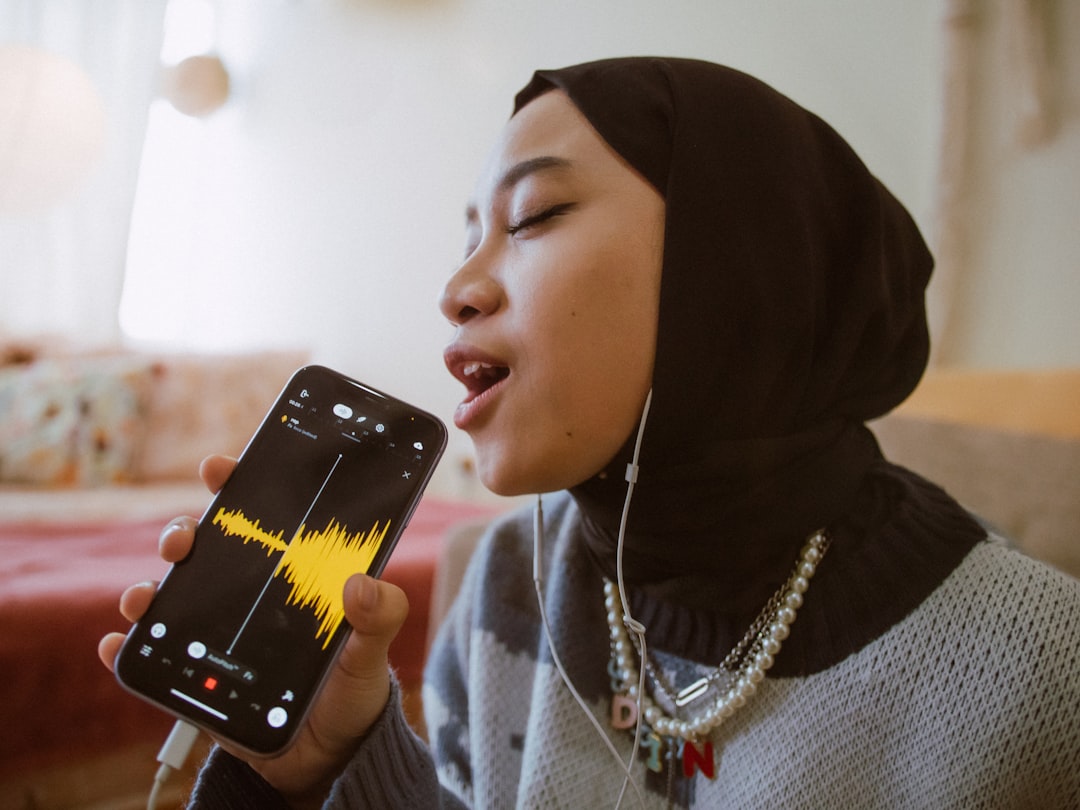
Many apps use your phone’s microphone. They listen as you speak or sing. Then they give instant feedback.
You might see:
- A pitch line showing if you are flat or sharp.
- A timer tracking breath control.
- A score for clarity and consistency.
It feels like a game. That makes practice more fun.
Top Voice Training Apps to Try
Here are some popular and effective options. Each has a different strength.
1. Yousician (Singing Focus)
Yousician is well known for music learning. Its singing section is beginner-friendly.
Best for: People who want structured singing lessons.
Highlights:
- Step-by-step lessons
- Real-time pitch tracking
- Popular song practice
- Progress tracking
It feels like a karaoke game. But smarter.
2. Vocal Image (Confidence & Speech)
Vocal Image focuses on speaking voice and confidence.
Best for: Professionals and public speakers.
Highlights:
- Daily short training sessions
- Breathing techniques
- Voice power exercises
- Confidence-building routines
This app blends psychology and voice training. Great for shy speakers.
3. Sing Sharp
Sing Sharp is simple and clear. It is designed to improve pitch.
Best for: Beginners who struggle with singing in tune.
Highlights:
- Visual pitch graphs
- Ear training games
- Range tests
- Short daily exercises
If you want to “see” your voice, this app does that well.
4. Erol Singer’s Studio
This app offers professional-level exercises.
Best for: Serious singers who want strong vocal workouts.
Highlights:
- Guided scales
- Advanced warm-ups
- Technique drills
- Custom pitch levels
It feels close to having a real vocal coach.
5. Orai (Public Speaking Focus)
Orai focuses on speech clarity and filler words.
Best for: Presentations and interviews.
Highlights:
- Filler word detection
- Pacing analysis
- Confidence scoring
- Speech recording playback
If you say “um” too much, this app will catch it.
Quick Comparison Chart
| App | Main Focus | Best For | Real-Time Feedback | Difficulty Level |
|---|---|---|---|---|
| Yousician | Singing & Songs | Casual learners | Yes | Beginner to Intermediate |
| Vocal Image | Confidence & Speech | Professionals | Partial | Beginner Friendly |
| Sing Sharp | Pitch Accuracy | New singers | Yes | Beginner |
| Erol Singer’s Studio | Technique Training | Advanced singers | Limited | Intermediate to Advanced |
| Orai | Public Speaking | Business users | Yes | Beginner to Intermediate |
How These Apps Build Real Confidence
Confidence does not appear overnight. It grows with small wins.
Voice apps help you:
- Practice privately. No judgment.
- Track improvement over time.
- Hear your progress clearly.
- Build daily habits.
When you hear yourself getting better, something shifts inside you.
You start speaking louder. Standing taller. Smiling more.

Improving Your Vocal Range Safely
Many people want higher notes. Or deeper tones.
But pushing too hard can strain your voice.
Good apps include:
- Gentle warm-ups before high notes
- Gradual pitch climbs
- Rest reminders
- Breathing support drills
Range grows like a muscle. Slowly. Safely. With repetition.
Consistency beats intensity.
Simple Daily Practice Plan (10–15 Minutes)
You do not need hours.
Try this routine:
- 2 minutes: Deep belly breathing.
- 3 minutes: Lip trills or humming scales.
- 5 minutes: Pitch exercises in your app.
- 3 minutes: Reading a paragraph out loud with clear articulation.
Do this five days a week.
In one month, you will notice change.
Features to Look For in a Good Voice App
Not all apps are equal.
Look for these features:
- Real-time pitch detection
- Progress tracking charts
- Custom difficulty levels
- Clear audio demonstrations
- Short daily lessons
Bonus points if the app feels fun. You are more likely to stick with it.
Common Mistakes to Avoid
Even with great apps, people slip up.
Avoid these traps:
- Skipping warm-ups
- Training when your throat hurts
- Shouting instead of projecting
- Practicing once a week only
- Comparing your voice to others
Your voice is unique. Train it. Do not fight it.
The Psychology Behind a Stronger Voice
Your brain and voice are deeply connected.
When you feel nervous, your throat tightens. Your breathing shortens. Your pitch rises.
Training your voice teaches your body to stay calm.
Slow breathing lowers anxiety. Strong projection builds a sense of control.
Over time, your brain links speaking with success instead of fear.
This is how vocal training increases overall confidence.
Are Free Apps Enough?
Many free versions are great for beginners.
They offer:
- Basic exercises
- Limited daily sessions
- Intro lessons
If you get serious, paid versions often unlock:
- Full lesson libraries
- Advanced pitch tools
- Personalized feedback
- Structured programs
Start free. Upgrade if you stay consistent.
Final Thoughts
You do not need to be born with a “great voice.”
Strong voices are trained. Confident speakers are built.
Voice training apps make that process simple. Affordable. Private.
Practice a little each day. Track your growth. Celebrate small wins.
Soon, you will notice something powerful.
You are not just improving your vocal range.
You are expanding your presence.
And when your voice grows, so does your confidence.