


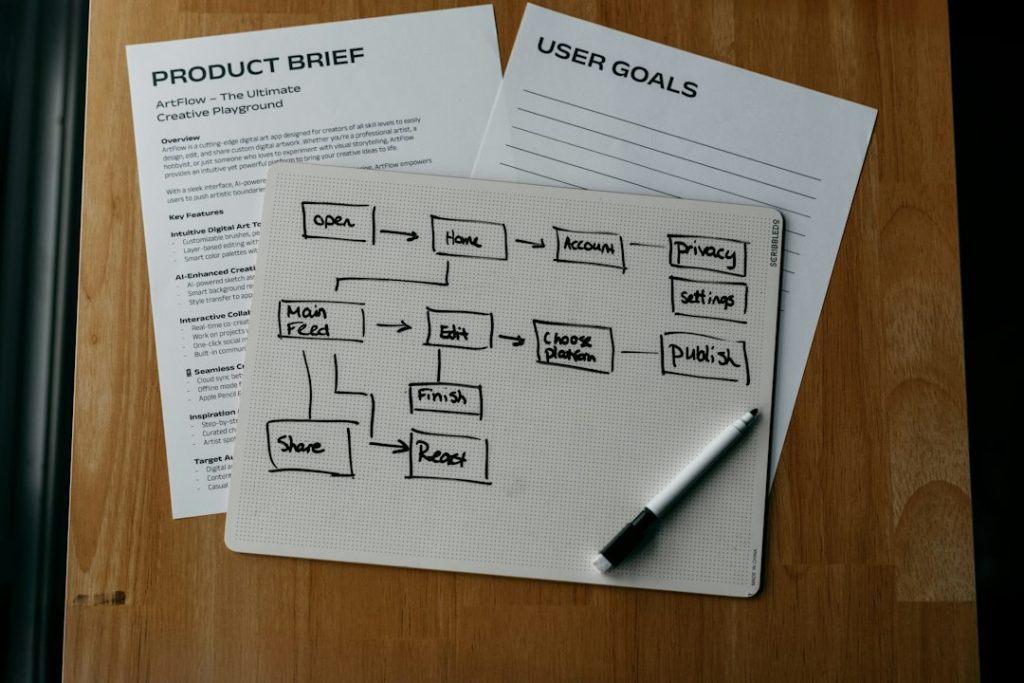
Feature creep means a product gains extra features that were not clearly needed, tested, or approved, often until the product becomes harder to build, use, and maintain. In product development, it is one of the quiet ways a promising idea turns into a slow, expensive, confusing release.
TLDR: Feature creep is the uncontrolled addition of product features, while scope creep is the uncontrolled expansion of project work. For example, a team building a basic invoicing app may add receipt scanning, tax forecasting, and team chat before launch, increasing development time by 40% without proving users want those tools. Scope creep may include extra integrations, more platforms, or new compliance tasks that were never in the original plan. Both hurt delivery, but they attack different parts of product development.
What Does Feature Creep Mean?
Feature creep happens when new features keep getting added to a product after the original plan has been agreed. These additions may seem small on their own. A button here. A dashboard there. One more setting. One more export format. Then the team wakes up and the product is no longer focused.
The problem is not that new features are always bad. Some are useful. Some are even necessary. The issue is that feature creep usually happens without enough validation, cost review, or user demand. It grows from assumptions, late stakeholder requests, competitor anxiety, or the belief that more features means more value.
Honestly, it feels like a trap because each request sounds reasonable in isolation. “Can we just add filters?” “Can we support one more file type?” “Can we include a custom workflow?” None of these sound dangerous. Together, they can delay launch, increase defects, and make the product harder to understand.

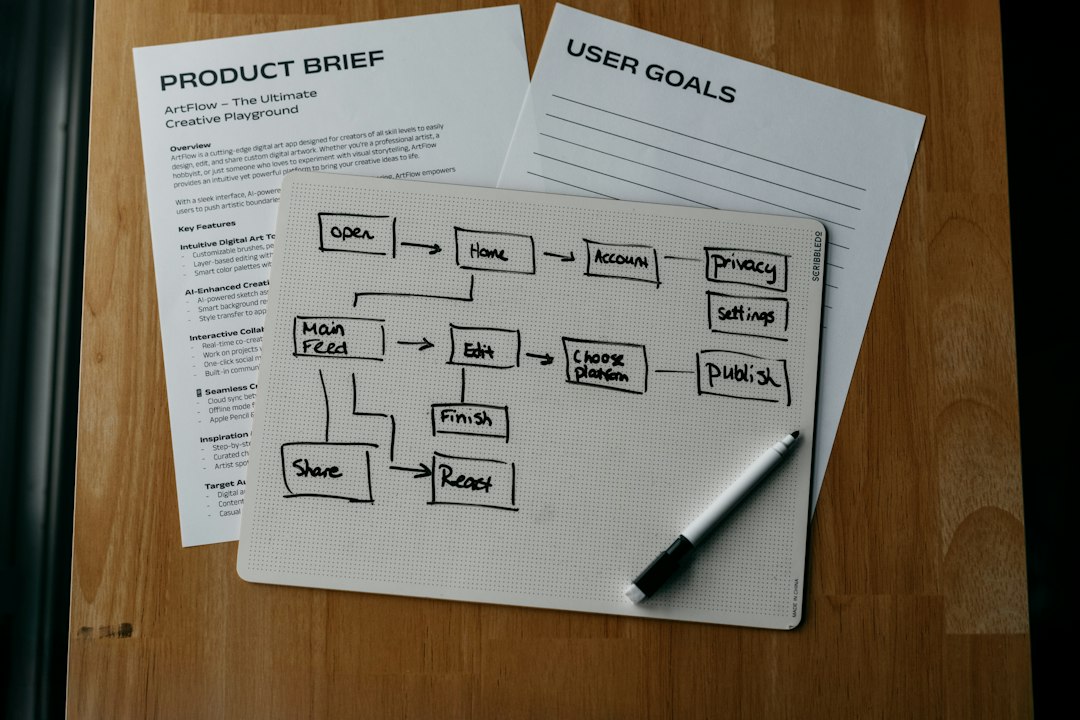
Feature Creep vs Scope Creep: The Core Difference
Feature creep is about the product itself. It concerns what the product does. Scope creep is about the project. It concerns the total work required to deliver the product.
They often appear together, but they are not the same thing.
- Feature creep: “Let’s add AI recommendations to the reporting tool.”
- Scope creep: “Let’s also support three more markets, two extra payment systems, and a new approval process.”
A product can suffer from feature creep without major scope creep at first. For example, adding several settings to an existing feature may not change the deadline immediately. But over time, those settings need design, engineering, testing, documentation, support training, and maintenance. That is where feature creep often turns into scope creep.
| Area | Feature Creep | Scope Creep |
|---|---|---|
| Main concern | Extra product functions | Extra project work |
| Typical cause | Unvalidated feature requests | Weak project control |
| Primary risk | Bloated product | Missed budget or deadline |
| Example | Adding social sharing to a payroll app | Adding mobile apps, new regions, and extra vendors |
Why Feature Creep Happens
Feature creep is rarely caused by one bad decision. It usually builds through repeated small compromises. Product managers want to satisfy stakeholders. Sales teams want to win deals. Executives want parity with competitors. Engineers may enjoy building interesting tools. Customers ask for specific fixes that sound urgent.
Common causes include:
- No clear product strategy: If the team cannot say what the product is not, almost anything can get added.
- Weak discovery: Teams skip user research and rely on opinions.
- Fear of competitors: A rival adds a feature, so the team copies it without checking fit.
- Sales pressure: One large prospect asks for a custom feature, and the roadmap bends around that deal.
- Poor prioritization: Every request is treated as urgent, which means nothing is truly controlled.
The catch is that feature creep often wears the mask of customer focus. A team may say, “Users asked for this.” But one request from one account is not proof of broad demand. Serious product teams separate signal from noise.
Why Scope Creep Happens
Scope creep starts when project boundaries are vague or ignored. Requirements change without impact analysis. Stakeholders approve extra work without adjusting time, budget, or resources. The team absorbs the change and hopes it will be fine. It usually is not.
Classic signs of scope creep include:
- More deliverables than the original agreement listed.
- New stakeholders joining late with fresh demands.
- Deadlines staying fixed while work increases.
- Unclear approval rights.
- Frequent “small” requests that bypass formal review.

How Feature Creep Damages Products
Feature creep can hurt both users and teams. Users face clutter. They need more time to learn the interface. They make more mistakes. Simple tasks may take longer because the product has too many paths, menus, toggles, and permissions.
For product teams, the damage is just as real. More features mean more code, more bugs, more regression testing, more support tickets, and more documentation. A feature that takes two weeks to build may require years of maintenance. That cost is easy to ignore during planning.
There is also an opportunity cost. Every unnecessary feature uses time that could have improved onboarding, speed, reliability, or core workflows. It drives me crazy when a product adds five advanced filters while the main page still takes six seconds to load. Users notice that tradeoff.
How to Prevent Feature Creep
Preventing feature creep requires discipline before development starts and while it is underway. The goal is not to block all new ideas. The goal is to protect product focus.
- Define the product goal clearly. State the target user, the problem, and the expected outcome.
- Use a prioritization method. RICE, MoSCoW, or a simple value-versus-effort matrix can help reduce opinion battles.
- Require evidence. Ask for user data, revenue risk, support volume, or research findings before approving new features.
- Separate requests from commitments. A request belongs in a backlog. It does not belong in a sprint by default.
- Protect the minimum viable product. An MVP should test the main value promise, not collect every nice idea.
- Review maintenance cost. Every new feature needs owners, testing, monitoring, and support.
How to Manage Scope Creep
Scope creep needs project controls. Product judgment helps, but process matters here. Teams need written agreements and clear approval paths.
- Create a baseline scope. Document deliverables, assumptions, exclusions, deadlines, and acceptance criteria.
- Use change requests. Any new work should include impact on cost, timing, risk, and staffing.
- Name decision makers. Avoid approval by committee when deadlines are tight.
- Track changes openly. Keep a visible record of what changed, who approved it, and why.
- Trade instead of adding. If one item comes in, another item should move out unless extra resources are approved.


A Practical Example
Imagine a team building a customer support portal. The agreed product includes ticket submission, status tracking, email alerts, and an admin dashboard. During development, stakeholders ask for live chat, sentiment analysis, custom themes, knowledge base editing, and multilingual support.
The added tools are features, so this is feature creep. But the team also needs new vendors, translation workflows, legal review, extra QA cycles, and revised training. Now it is scope creep too.
A disciplined team would pause and ask: Which of these features supports the first release goal? Which requests are backed by data? What must wait? If multilingual support serves only 3% of current users, while ticket tracking serves 92%, the decision becomes clearer.
The Serious Product Management View
Good product development is not about saying yes to everything. It is about making clear tradeoffs. A smaller product that solves a painful problem well is usually better than a large product that solves many problems poorly.
Feature creep weakens focus. Scope creep weakens control. When both appear, teams ship late, spend more, and release products that feel heavier than they should.
The best defense is simple but not easy: define the goal, protect the scope, demand evidence, and treat every addition as a cost. If the feature is worth that cost, approve it properly. If not, leave it out.