Apps are like coworkers. They are smart. They are fast. But they do not always talk to each other well. That is where webhooks come in. Webhooks help apps send real-time messages to other apps. No copy and paste. No manual updates. Just instant action. In this guide, we will explore three powerful webhook automation platforms that make connecting apps simple and even a little fun.
TLDR: Webhook automation platforms let your apps talk to each other automatically. They send real-time updates so tasks happen instantly. Zapier, Make, and Pipedream are three top tools that make this easy. Each has different strengths, so the best one depends on your needs and technical comfort level.
What Is a Webhook? (And Why Should You Care?)
A webhook is like a digital doorbell.
When something happens in one app, it “rings” another app. The second app then reacts instantly. No refreshing. No waiting. No human needed.
For example:
- Someone fills out your website form.
- Your CRM instantly creates a new contact.
- Your team gets a Slack message.
- A task is created in your project board.
All of that can happen in seconds.
That is the magic of webhooks.
And webhook automation platforms make that magic easy to set up.

Why Use a Webhook Automation Platform?
You could code webhooks yourself.
But most people do not want to wrestle with APIs and servers.
Webhook platforms help you:
- Connect apps visually
- Avoid heavy coding
- Create real-time automation
- Test and debug easily
- Scale without stress
Now let us explore three of the best tools available today.
1. Zapier – The Friendly Automation Giant
Zapier is one of the most popular automation platforms in the world.
It is beginner-friendly. Clean. Simple. And powerful.
How Zapier Handles Webhooks
Zapier offers a built-in “Webhooks by Zapier” app.
You can:
- Catch webhook data from other apps
- Send POST requests
- Send GET requests
- Test hooks easily
No server setup required.
You just:
- Create a Zap (automation workflow)
- Choose Webhooks as the trigger or action
- Paste your webhook URL
- Test and turn it on
That is it.
Best For
- Marketers
- Small business owners
- Non-technical users
- Quick setup projects
Pros
- Very easy to use
- Huge app marketplace (5000+ apps)
- Clear step-by-step interface
- Reliable infrastructure
Cons
- Can get expensive at scale
- Limited custom logic compared to developer tools
If you want automation without headaches, Zapier is a safe bet.
2. Make – The Visual Automation Powerhouse
Make (formerly Integromat) feels like automation on steroids.
It is more visual. More flexible. And sometimes more complex.
But in a good way.
How Make Works with Webhooks
Make lets you create custom webhook triggers instantly.
You get a unique webhook URL.
When data hits that URL, your automation begins.
The magic is in the visual builder.
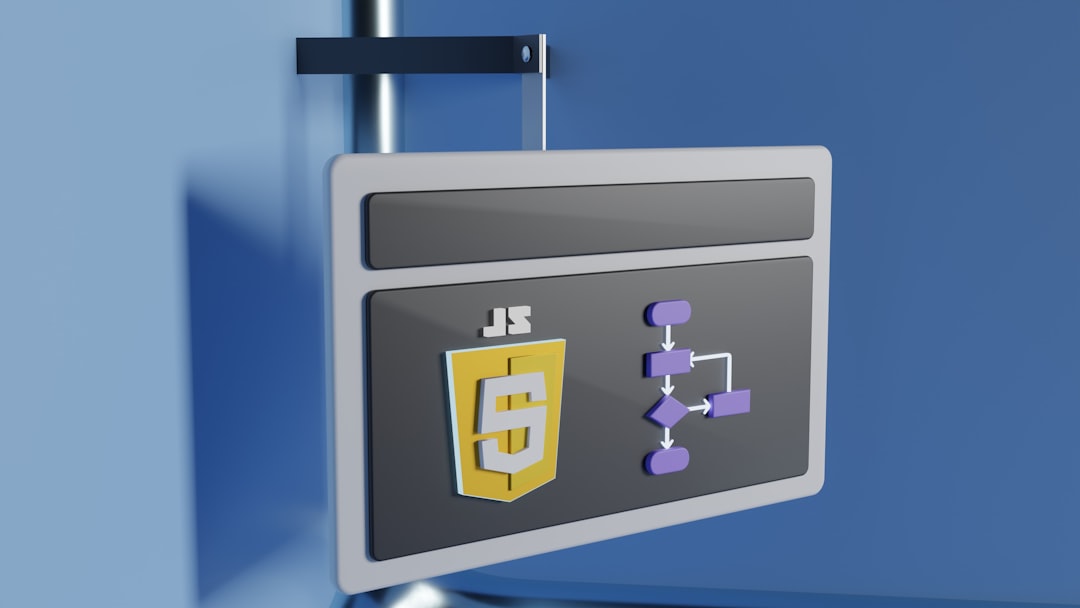
You can:
- Route data to multiple paths
- Filter content
- Transform data
- Parse JSON easily
- Handle errors smartly
It looks like a flowchart.
And you see everything happening.
Best For
- Power users
- Growing startups
- Operations teams
- People who love visual logic
Pros
- Extremely flexible
- Advanced data tools built-in
- More affordable scaling than some competitors
- Deep customization without heavy coding
Cons
- Learning curve is steeper than Zapier
- Interface can feel busy at first
If Zapier feels like a calculator, Make feels like a control panel.
You get more control.
But you need to know what you are building.
3. Pipedream – The Developer-Friendly Hybrid
Pipedream sits between automation tool and developer platform.
It is powerful. Modern. And code-friendly.
But it still tries to stay simple.
Webhook Handling in Pipedream
Creating a webhook in Pipedream takes seconds.
You generate an endpoint.
Send data to it.
Then build what happens next.
Here is where it stands out:
- You can write custom code (Node.js, Python, etc.)
- You can mix no-code steps with code steps
- You can inspect live events easily
- You can deploy serverless workflows
It is great for handling complex logic.
Or when your automation needs to think a little harder.

Best For
- Developers
- Technical founders
- SaaS teams
- API-heavy businesses
Pros
- Combines code and no-code
- Very flexible
- Great debugging tools
- Strong API integrations
Cons
- Less beginner-friendly
- Not as plug-and-play as Zapier
Pipedream is like having developer superpowers.
If you want speed and control, this is your playground.
Quick Comparison Chart
| Feature | Zapier | Make | Pipedream |
|---|---|---|---|
| Ease of Use | Very Easy | Moderate | Moderate to Advanced |
| Visual Builder | Step Based | Flowchart Style | Hybrid Interface |
| Custom Code Support | Limited | Some | Strong |
| Best For Beginners | Yes | Somewhat | No |
| Scalability | Good but pricey | Affordable scaling | Developer flexible |
| App Integrations | Huge library | Large library | API focused |
How to Choose the Right Platform
Ask yourself a few simple questions.
1. How technical are you?
- If not technical at all → Zapier
- If somewhat technical → Make
- If comfortable with code → Pipedream
2. How complex are your workflows?
- Simple triggers and actions → Zapier
- Multiple branches and conditions → Make
- Heavy logic and API calls → Pipedream
3. What is your budget?
Automation saves time. But costs matter.
Make often scales more affordably.
Zapier can become expensive with high task usage.
Pipedream pricing depends on usage and execution time.
Real-Life Example: A Lead Automation Flow
Let us imagine something simple.
A customer fills out your contact form.
Here is what could happen automatically:
- Webhook captures the form submission.
- CRM creates a new lead.
- Email confirmation is sent.
- Sales team gets notified in Slack.
- Lead is added to your email marketing platform.
That entire system could be built in:
- 30 minutes on Zapier
- 45 minutes on Make (with more customization)
- Flexible time on Pipedream depending on coding
All three platforms make it possible.
The difference is how much control you want.
Final Thoughts
Webhook automation sounds technical.
But it does not have to be scary.
Think of it as building bridges between your apps.
Bridges that automatically move information.
Bridges that save hours of manual work.
Zapier is friendly and simple.
Make is visual and flexible.
Pipedream is powerful and code-ready.
The best platform is the one that matches your comfort level and business needs.
Start small.
Automate one thing.
Then another.
Soon your apps will talk effortlessly.
And you will wonder how you ever worked without webhooks.