Digital signage has evolved from simple looping slideshows to dynamic, data-driven displays that update in real time across multiple locations. Whether you manage screens in retail stores, corporate offices, restaurants, healthcare facilities, or campuses, keeping content fresh and relevant can quickly become complex. That’s where automation steps in. The right digital signage platform not only helps you design compelling visuals but also automates content scheduling, ensuring the right message appears at the right time—without constant manual intervention.
TLDR: Automating digital signage content saves time, reduces human error, and ensures consistent messaging across locations. Platforms like ScreenCloud, Yodeck, Rise Vision, NoviSign, and OptiSigns offer powerful scheduling tools, remote management, and real-time updates. Choosing the right one depends on your business size, technical needs, and integration requirements. Below, we break down five leading platforms and compare their strengths to help you decide.
From multi-location retail rollouts to internal corporate communications, automation is the backbone of effective digital signage. The best platforms allow you to pre-schedule playlists, segment content by location, trigger displays based on conditions like weather or time of day, and update screens remotely. Let’s explore five platforms that excel at helping you automate content scheduling effortlessly.
1. ScreenCloud
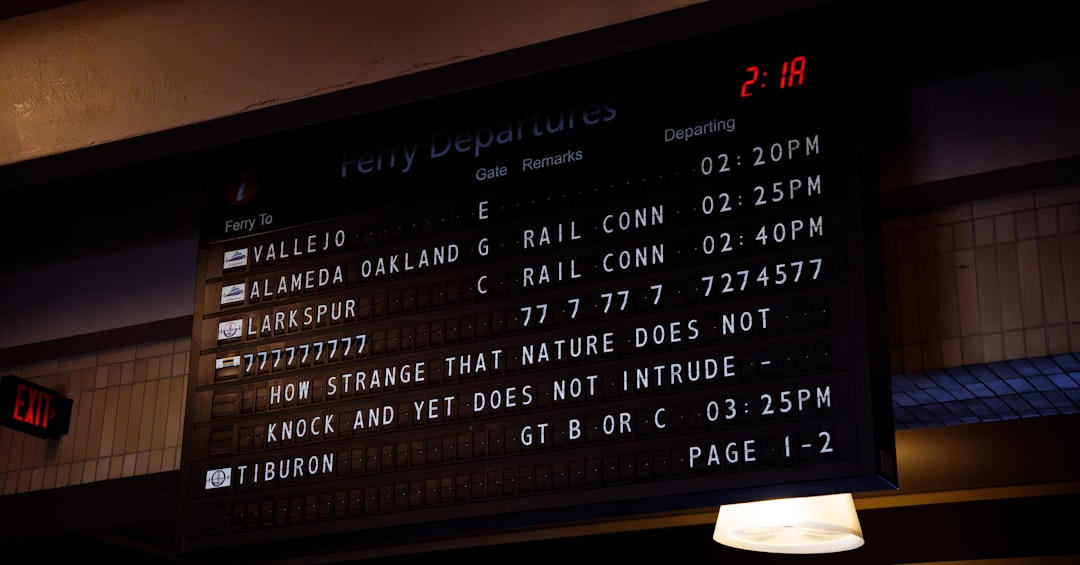
ScreenCloud is a cloud-based digital signage platform known for its ease of use and robust scheduling capabilities. Designed for businesses of all sizes, it offers centralized control and powerful automation features.
Key Automation Features:
- Playlist scheduling: Set specific dates and times for content playback.
- Multi-location management: Push different content to different screens with ease.
- App integrations: Connect with Google Slides, Power BI, Slack, and more.
- Role-based access: Delegate scheduling permissions safely.
ScreenCloud shines in environments where content must change frequently. For example, a retail brand can schedule promotional campaigns weeks in advance and automatically transition between seasonal offers. Corporate teams can automate internal announcements tied to specific days or events.
Best for: Mid-sized and enterprise organizations that need scalable control and app integrations.
2. Yodeck
Yodeck is a flexible and cost-effective solution that emphasizes automation and user-friendly content management. Built to run on affordable hardware options, it’s particularly attractive for growing businesses.
Key Automation Features:
- Advanced scheduling: Set recurring schedules or daypart content.
- Screen grouping: Manage content across multiple displays simultaneously.
- Conditional playback: Trigger content based on custom rules.
- Cloud-based updates: Make changes remotely in real time.
One of Yodeck’s biggest strengths is its intuitive calendar-based scheduling system. Users can visualize upcoming playlists and drag-and-drop content into time slots. This significantly reduces the likelihood of content overlap or gaps.
Best for: Small to medium-sized businesses seeking cost efficiency and simplicity without sacrificing automation.
3. Rise Vision

Rise Vision is a platform particularly popular in educational institutions and corporate environments. It focuses on keeping audiences informed through automated announcements, alerts, and data-driven displays.
Key Automation Features:
- Template-based scheduling: Automate announcements across multiple screens.
- Emergency alert integrations: Instantly override scheduled content.
- Google Workspace integration: Sync calendars, slides, and sheets.
- Content expiration: Automatically remove outdated material.
The automation of expiration dates is especially useful in schools and offices. Instead of manually removing outdated notices, administrators can assign end dates and let the system handle the rest.
Best for: Schools, universities, and corporate environments that rely heavily on internal communications.
4. NoviSign
NoviSign combines rich media design tools with strong automation capabilities. It supports interactive displays and dynamic content feeds, making it suitable for customer-facing industries.
Key Automation Features:
- Dynamic data feeds: Automatically update content from APIs and RSS feeds.
- Touchscreen scheduling: Automate interactive kiosk content.
- Drag-and-drop calendar scheduling: Simplify complex timing.
- Conditional rules: Adjust content by time, date, or custom triggers.
NoviSign’s ability to integrate live data—such as weather, traffic, or inventory updates—makes it ideal for industries where real-time information matters. Content becomes more than static promotion; it becomes adaptive communication.
Best for: Retail, hospitality, healthcare, and customer-facing businesses that need dynamic content updates.
5. OptiSigns
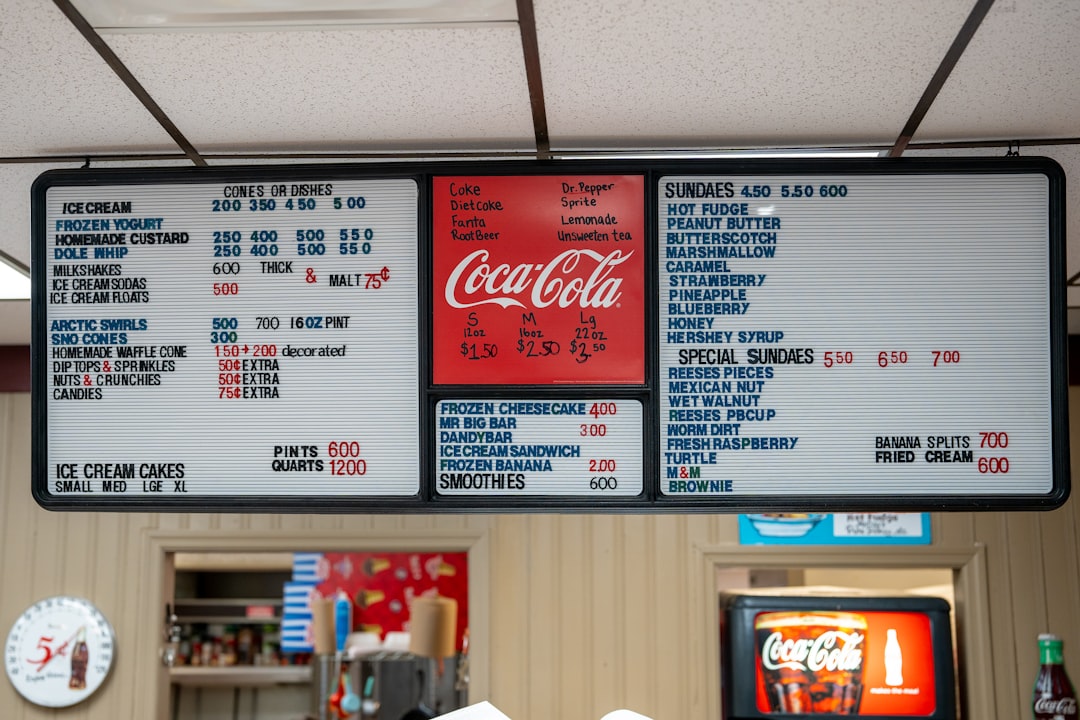
OptiSigns is known for its highly scalable infrastructure and strong playlist automation features. It supports a wide range of devices and integrates with numerous business systems.
Key Automation Features:
- Smart playlists: Automatically rotate content based on defined logic.
- Dayparting: Schedule breakfast, lunch, and dinner menus automatically.
- Remote device monitoring: Get alerts for screen downtime.
- Third-party integrations: Connect with POS systems and analytics platforms.
Restaurants and retail chains benefit greatly from OptiSigns’ dayparting capabilities. A breakfast promotion can seamlessly transition to lunch specials without staff intervention, ensuring accurate messaging throughout the day.
Best for: Businesses with complex scheduling needs and multiple time-sensitive campaigns.
Comparison Chart
| Platform | Best For | Automation Strength | Integrations | Ease of Use |
|---|---|---|---|---|
| ScreenCloud | Mid-size to enterprise businesses | Advanced playlist scheduling and multi-location control | Strong app marketplace | High |
| Yodeck | Small to mid-size businesses | Calendar-based scheduling and screen grouping | Moderate | Very High |
| Rise Vision | Education and corporate | Template automation and expiration controls | Google Workspace focus | High |
| NoviSign | Retail and healthcare | Dynamic feeds and conditional rules | Strong API support | Medium-High |
| OptiSigns | Restaurants and chains | Smart playlists and dayparting | Extensive business integrations | High |
What to Look for in an Automated Scheduling Platform
Before choosing a platform, consider your automation needs carefully. Here are a few critical factors:
- Scalability: Can the platform grow with your business?
- Conditional triggers: Does it support content changes based on data or events?
- Remote management: Can you control screens from anywhere?
- Content expiration: Will outdated information automatically disappear?
- Integration ecosystem: Does it connect to your current tools?
Automation isn’t just convenience—it’s consistency. Without scheduling systems in place, businesses risk outdated promotions, conflicting messages, and missed opportunities.
The Benefits of Automating Digital Signage Scheduling
Automating your digital signage delivers measurable advantages:
- Time savings: Batch schedule weeks or months of content in advance.
- Error reduction: Minimize manual updates and missed transitions.
- Improved audience targeting: Display content by time of day or customer demographic.
- Operational efficiency: Centralize management across multiple locations.
- Stronger brand consistency: Maintain uniform messaging nationwide or globally.
Imagine running a nationwide campaign launch: with automation, messaging switches simultaneously across every branch location. That kind of precision can significantly enhance marketing impact.
Final Thoughts
Digital signage works best when it’s dynamic, timely, and relevant. The platforms highlighted here—ScreenCloud, Yodeck, Rise Vision, NoviSign, and OptiSigns—each provide powerful tools to automate content scheduling and reduce manual workload.
The right choice ultimately depends on your organization’s size, technical capacity, and communication goals. If you require enterprise-level integrations and granular control, ScreenCloud or OptiSigns may be ideal. For budget-friendly simplicity, Yodeck is hard to beat. Educational and corporate settings may lean toward Rise Vision, while interactive and real-time content strategies align well with NoviSign.
By investing in a platform that prioritizes automation, you transform your digital signage from a static display into a smart communication system—one that works for you around the clock, delivering the right message at precisely the right moment.