
Tracing your family roots has never been more exciting—or more accessible. Thanks to rapid advances in technology, genealogy has evolved from dusty archives and hand-drawn family trees to sophisticated digital platforms that can uncover relatives you never knew existed. Whether you’re a curious beginner or a seasoned family historian, today’s genealogy tools offer powerful ways to discover hidden family connections, verify ancestral stories, and preserve your heritage for future generations.
TLDR: Modern genealogy tools combine DNA testing, historical records, and smart matching algorithms to help you uncover previously unknown family connections. From global ancestry databases to AI-powered record searches, these platforms make it easier than ever to build and expand your family tree. Using a mix of DNA services, archival tools, and collaborative websites provides the most complete picture. The six tools below can dramatically accelerate your family history journey.
Let’s explore six genealogy tools that can transform scattered clues into meaningful discoveries.
1. AncestryDNA and Ancestry Family Trees
Ancestry is one of the most widely recognized names in genealogy—and for good reason. Its combination of DNA testing and vast historical records makes it a powerhouse for uncovering hidden connections.
Why it stands out:
- Access to billions of historical records
- Large user database for DNA matches
- Automated hints that suggest new relatives
- Integrated family tree builder
By submitting a DNA sample, you receive an ethnicity estimate along with a list of genetic matches. These matches can range from close relatives to distant cousins. The real magic happens when you compare family trees and shared matches, often revealing common ancestors going back generations.

Ancestry’s record collections—including census data, immigration lists, military records, and birth and death certificates—allow users to corroborate DNA results with documentary evidence. This combination frequently unlocks hidden branches of your family tree.
2. MyHeritage
MyHeritage excels in global reach, making it especially useful for those with international ancestry. With strong European and international databases, it connects families across borders.
Key features include:
- DNA testing with detailed ethnicity breakdowns
- Smart Matching technology for tree comparison
- Automatic record matching
- Photo enhancement and animation tools
One standout tool is its “Theory of Family Relativity,” which cross-references billions of data points to suggest how you might be connected to a DNA match. This goes beyond simply listing cousins—it proposes possible relationship paths.
MyHeritage also brings old family photos to life with colorization and enhancement features. While not directly tied to uncovering new relatives, these features often help identify unknown people in historical images, leading to new discoveries.
3. FamilySearch
FamilySearch is a free resource operated by The Church of Jesus Christ of Latter-day Saints. It is one of the largest genealogy databases in the world and offers unparalleled access without subscription fees.
Highlights:
- Free access to billions of records
- Collaborative global family tree
- Extensive international archives
- Digitized microfilm collections
Unlike many platforms, FamilySearch operates as a shared, collaborative tree. This means other users may contribute information to shared ancestors. While this requires careful verification, it also opens the door to connecting with distant relatives who are researching the same lineage.
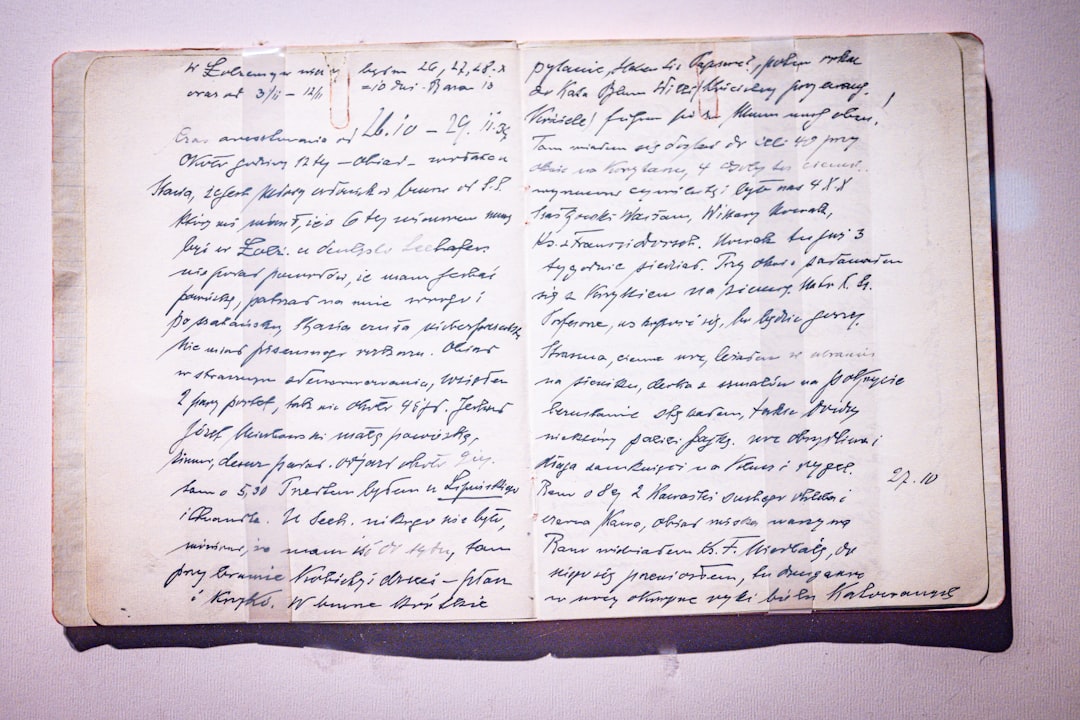
FamilySearch is particularly strong in historical document access. From land records to probate files, these documents often provide the missing link needed to confirm a long-suspected family relationship.
4. 23andMe
While known primarily for health reports, 23andMe is also a valuable genealogy tool. Its DNA Relatives feature connects users with genetic matches worldwide.
Benefits include:
- Detailed genetic ethnicity reports
- DNA relative matching
- Chromosome browser for segment comparison
- Health and trait insights
23andMe’s chromosome browser allows you to see exactly which segments of DNA you share with a match. This level of detail can help genealogy enthusiasts triangulate relationships and identify shared ancestors when combined with other research tools.
Because it attracts users interested in health insights, 23andMe sometimes reveals unexpected close relatives—such as half-siblings or unknown cousins—who tested for medical reasons rather than genealogy research.
5. Findmypast
If you have British or Irish ancestry, Findmypast is an invaluable resource. It specializes in UK and Irish records that may not be easily accessible elsewhere.
Key strengths:
- Exclusive British and Irish record collections
- Historical newspapers archive
- Census and parish records
- Military and migration documents
Newspaper archives are especially powerful for uncovering hidden connections. Marriage announcements, obituaries, and community news columns often mention extended relatives, offering clues that formal records may not reveal.
For those hitting a “brick wall” in their research, digging into local newspapers and parish registers frequently opens new avenues of discovery.
6. GEDmatch
GEDmatch is a more advanced tool designed for users who want deeper DNA analysis. It allows you to upload raw DNA data from multiple testing companies and compare it with a broad database.
Why it’s powerful:
- Cross-platform DNA comparisons
- Advanced matching algorithms
- Admixture analysis tools
- Segment triangulation features
GEDmatch is particularly helpful for adoptees or those with unknown parentage. By analyzing shared DNA segments across multiple matches, users can often piece together biological family lines that traditional records cannot uncover.
Comparison Chart of Genealogy Tools
| Tool | Best For | DNA Testing | Historical Records | Cost |
|---|---|---|---|---|
| Ancestry | All-around research and large DNA database | Yes | Extensive global records | Subscription + DNA kit |
| MyHeritage | International connections | Yes | Strong European records | Subscription + DNA kit |
| FamilySearch | Free document research | No | Extensive free archives | Free |
| 23andMe | DNA insights and health data | Yes | Limited | DNA kit |
| Findmypast | UK and Irish ancestry | No | Specialized regional records | Subscription |
| GEDmatch | Advanced DNA analysis | Upload only | No | Free and premium tiers |
How to Maximize Your Discoveries
Using just one tool can yield results—but combining multiple platforms significantly increases your chances of uncovering hidden family connections.
Best practices include:
- Testing with at least one major DNA provider
- Uploading raw DNA data to additional platforms like GEDmatch
- Cross-referencing DNA matches with documentary evidence
- Contacting matches politely and collaboratively
- Verifying all user-contributed information
It’s also important to approach surprising discoveries with sensitivity. DNA results can reveal unexpected relationships, including unknown siblings or misattributed parentage. Taking time to confirm findings and communicate thoughtfully ensures a respectful research process.
The Future of Genealogy
As artificial intelligence and machine learning continue to evolve, genealogy tools are becoming even more intuitive. Automated record hints, predictive relationship theories, and improved DNA analysis are making it easier to uncover connections that once took years to identify.
What was once the domain of professional genealogists is now available to anyone with an internet connection and curiosity about their roots.
Every census record discovered, every DNA match confirmed, and every old photograph restored adds another piece to the puzzle of who you are and where you come from. The hidden branches of your family tree may be closer than you think—waiting patiently in a database or within a shared strand of DNA.
Your next family connection could be just one search away.