
Time is one of the most limited resources in modern professional life. Between meetings, deadlines, emails, and personal responsibilities, even highly organized individuals can struggle to stay in control of their schedules. Smart calendar tools have evolved well beyond simple date tracking. Today, they integrate artificial intelligence, automation, collaboration features, and analytics to transform how we plan and use our time. Choosing the right solution can significantly improve productivity, reduce stress, and help you focus on what truly matters.
TLDR: Smart calendar tools go beyond simple scheduling by automating planning, improving collaboration, and providing insights into how you spend your time. The best platforms integrate with other productivity systems and use AI to reduce manual effort. Tools like Google Calendar, Microsoft Outlook, Motion, Calendly, Notion Calendar, and Fantastical offer distinct advantages depending on your workflow. Selecting the right one can dramatically improve time management and decision-making.
1. Google Calendar: Intelligent Simplicity
Google Calendar remains one of the most widely used scheduling platforms, and for good reason. It combines simplicity with powerful automation features that support both individuals and large organizations.
Key strengths include:
- Seamless integration with Gmail and Google Meet
- Shared calendars for teams and departments
- Automatic event detection from emails
- Customizable reminders and notifications
One of its strongest capabilities is real-time collaboration. Team members can view availability instantly, reducing the back-and-forth communication that often delays scheduling decisions.

For time management improvement, Google Calendar’s color-coding and layered calendar views make it easier to allocate time intentionally. Users can separate deep work, meetings, and personal appointments visually, reinforcing better time boundaries.
Best for: Teams and individuals seeking a reliable, cloud-based calendar with powerful integration capabilities.
2. Microsoft Outlook Calendar: Enterprise-Level Control
For organizations operating within the Microsoft ecosystem, Outlook Calendar provides structured, enterprise-grade scheduling control. It is particularly effective in corporate environments where resource management and meeting logistics are critical.
Notable advantages:
- Advanced meeting scheduling assistant
- Conference room and resource booking
- Deep integration with Microsoft Teams
- Strong security and compliance features
Outlook’s Scheduling Assistant simplifies coordination across large departments. It provides side-by-side availability comparisons, helping managers quickly identify optimal meeting times.
Additionally, Outlook encourages discipline in meeting culture. Clear response tracking, agenda attachments, and structured invitations create a more accountable scheduling environment.
Best for: Medium to large organizations that require secure, structured scheduling tied to broader business tools.
3. Motion: AI-Powered Automatic Planning
Motion represents a shift toward fully automated time management. Unlike traditional calendars, Motion uses artificial intelligence to schedule tasks automatically based on priority, deadlines, and availability.
Core features include:
- AI-driven task scheduling
- Auto-adjustment when meetings are added
- Integrated project and deadline management
- Priority-based daily planning
If a meeting is rescheduled or canceled, Motion reorganizes your day automatically. This reduces the cognitive load associated with constant manual adjustments.
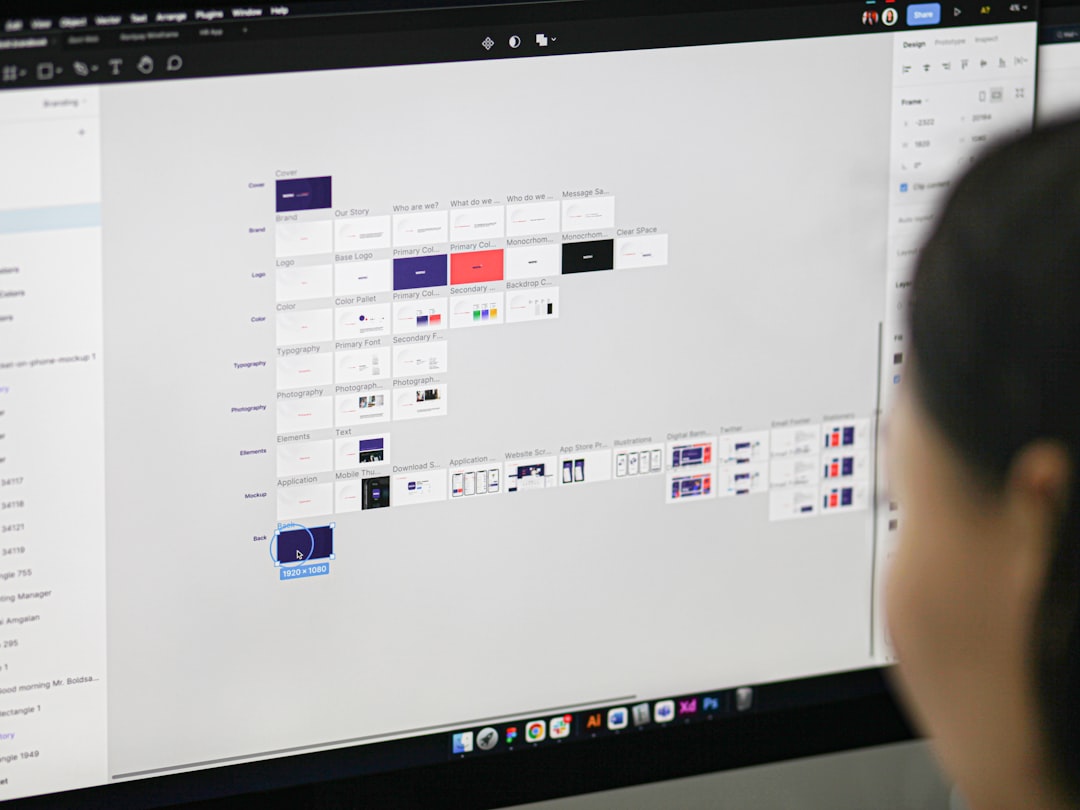
The most significant benefit is decision reduction. Rather than choosing when to complete each task, users input the task and deadline. The system makes data-driven scheduling decisions, helping prevent procrastination and overbooking.
Best for: Professionals juggling multiple deadlines who want automation to eliminate daily schedule rearrangement.
4. Calendly: Frictionless Meeting Coordination
One of the most common time management inefficiencies is meeting coordination. Emails that go back and forth suggesting times waste valuable energy. Calendly addresses this problem with streamlined availability links.
Why it stands out:
- Custom booking links based on availability
- Buffer time settings between meetings
- Time zone detection
- Integration with video conferencing platforms
Calendly allows others to select meeting slots that fit predefined availability windows. This ensures you remain in control of your schedule while simplifying the booking experience for clients and colleagues.
The buffer time feature is particularly valuable for sustainable productivity. It prevents back-to-back scheduling, allowing breathing room between conversations.
Best for: Consultants, sales professionals, recruiters, and anyone who schedules external meetings frequently.
5. Notion Calendar: Integrated Planning and Knowledge Management
Notion Calendar combines event scheduling with documentation and project tracking. For professionals who manage complex, interconnected workflows, this unified system can reduce tool fragmentation.
Main benefits include:
- Tasks and notes connected directly to calendar events
- Centralized workspace for projects
- Customizable database views
- Cross-device synchronization
When events, meeting notes, deliverables, and project boards coexist in one environment, context switching decreases significantly. This consolidation strengthens focus and execution.

For example, a content team can schedule deadlines directly alongside documentation databases. Clicking on a calendar event instantly reveals associated drafts, research, and assignment details.
Best for: Teams and individuals managing complex projects who prefer an all-in-one productivity workspace.
6. Fantastical: Smart Features with Clean Design
Fantastical is known for its polished interface and natural language input. While it appears minimalist, it offers powerful functionality beneath the surface.
Key features:
- Natural language event creation
- Multiple calendar account integration
- Intuitive daily and weekly views
- Weather and task integration
Users can type phrases such as “Lunch with client Thursday at 1 PM downtown” and the system automatically structures the event correctly. This reduces friction in capturing commitments quickly.
The design clarity also enhances cognitive focus. A cluttered interface often contributes to overwhelm. Fantastical emphasizes readability and elegant organization, supporting calm and structured planning.
Best for: Professionals who value design, usability, and fast event entry across multiple accounts.
How to Choose the Right Smart Calendar Tool
Each tool discussed serves a distinct purpose. Selecting the best one depends on your operational environment and planning challenges.
Consider these factors:
- Automation needs: Do you want AI to build your schedule, or just assist with booking?
- Team size: Larger teams often require structured resource management.
- Integration: Does it connect seamlessly with your email, task manager, or project software?
- User interface: Is clarity and simplicity important for daily use?
- Security requirements: Enterprise environments demand stricter controls.
It is also important to evaluate long-term scalability. A freelancer’s needs differ greatly from those of a multinational organization. Choosing a tool that adapts as your responsibilities grow can prevent disruptive transitions later.
The Strategic Impact of Smart Scheduling
Smart calendar tools do more than fill time slots. They provide strategic insight into how time is actually spent. Many platforms offer analytics showing meeting frequency, focus time distribution, and resource use.
This data supports executive-level decisions. If leadership notices excessive meeting load across departments, adjustments can be implemented to protect deep work time. By analyzing patterns, organizations improve efficiency at scale.
Individually, reviewing calendar data can reveal overcommitment or misaligned priorities. When professionals align scheduling practices with strategic goals, measurable performance improvements often follow.
Final Thoughts
Time management is no longer about manually writing entries in a datebook. It involves intelligent systems that automate planning, reduce friction, and support collaboration. The six smart calendar tools outlined above each offer specific benefits—from enterprise coordination and AI-driven scheduling to seamless booking and integrated project tracking.
Choosing thoughtfully and implementing consistently are critical. Even the most advanced tool cannot compensate for unclear priorities or poor discipline. However, paired with intentional planning habits, the right smart calendar solution can transform not only how you schedule your time, but how effectively you achieve your long-term objectives.
In an increasingly complex professional environment, leveraging these tools is not simply convenient—it is strategic.