
For a digital agency, rank tracking is not just a reporting task; it is a control system for client performance, workload planning, and strategic decision-making. When an agency manages hundreds or thousands of keywords across multiple industries, locations, search engines, and campaign goals, a reliable agency rank tracker tool becomes essential for maintaining accuracy, consistency, and client trust.
TLDR: An agency rank tracker tool helps SEO teams monitor keyword positions at scale, organize campaigns by client, and turn ranking data into clear reports. For example, an agency managing 25 clients and 3,000 keywords can quickly identify that 18% of priority terms dropped after a Google update, while 12% improved due to recent content work. The right platform reduces manual checks, improves reporting speed, and helps account managers respond before clients ask difficult questions.
Why Agencies Need More Than Basic Rank Tracking
Many small businesses can survive with a simple keyword checker. Agencies cannot. A serious agency may track keywords for local service companies, ecommerce brands, SaaS platforms, healthcare providers, legal firms, and multilocation businesses at the same time. Each client may require different search locations, devices, competitors, tags, and reporting schedules.
Without a dedicated system, the process quickly becomes unreliable. Spreadsheets become outdated, manual checks produce inconsistent results, and account managers spend too much time collecting data instead of interpreting it. A professional rank tracker for agencies centralizes this work and creates a repeatable workflow.
- Client separation: Keep each client’s campaigns, keywords, and reports organized.
- Keyword grouping: Segment terms by service, location, intent, funnel stage, or content type.
- Automated updates: Monitor changes daily, weekly, or at a custom frequency.
- Competitor visibility: Compare rankings against direct search competitors.
- Reporting consistency: Deliver professional updates without rebuilding reports from scratch.

The Operational Challenge of Tracking Hundreds of Keywords
Managing hundreds of keywords is not difficult because of the number alone. The real complexity comes from context. A keyword ranking in position three may be excellent for one client and disappointing for another. A local keyword may rank differently across nearby cities. A high-volume keyword may look attractive but generate poor leads. An agency needs a system that captures these differences without creating administrative overload.
Consider an agency tracking 600 keywords for six clients. If the team manually checks each keyword across desktop and mobile results once per week, that becomes 1,200 checks before considering local variations or competitors. Even if each check takes only one minute, the task consumes 20 hours weekly. That time is better spent improving content, refining technical SEO, or advising clients.
An agency rank tracker compresses this workload by automating data collection and preserving historical ranking trends. Rather than asking, “Where do we rank today?”, the team can ask more valuable questions: “Which service pages are gaining visibility?”, “Did the algorithm update affect our local pack results?”, or “Which keywords are close enough to page one to justify optimization?”
Features That Matter in an Agency Rank Tracker Tool
Not every rank tracker is suitable for agency use. Agencies require features that support volume, collaboration, and reporting discipline. The best tools are designed not only to collect ranking data, but also to help teams manage client relationships more effectively.
1. Multi-Client Campaign Management
A strong agency tool should allow separate workspaces or projects for every client. This prevents data from becoming mixed and makes account handoffs easier. If a strategist, analyst, or account manager leaves the agency, another team member should be able to understand the campaign structure quickly.
2. Local and Device-Specific Tracking
Search results vary significantly by location and device. A plumber in Dallas, a dentist in Chicago, and a restaurant chain with 40 branches all require localized tracking. Mobile rankings may also differ from desktop rankings, especially in industries where users search while on the move. Reliable tracking must support city-level, ZIP-level, and device-specific monitoring.
3. Keyword Tags and Priority Labels
Keyword tagging is essential when tracking large volumes. Agencies should be able to label keywords by product category, landing page, search intent, campaign phase, or importance. For example, a law firm’s campaign might use tags such as personal injury, car accident, local intent, and high priority. This makes it easier to analyze performance by business objective rather than looking at one long keyword list.
4. Competitor Tracking
Clients rarely care about rankings in isolation. They want to know whether they are gaining ground against competitors. A good tracker should show which domains are rising, which pages are winning, and whether competitors are improving because of content updates, backlinks, local SEO, or technical changes.
5. White-Label and Automated Reporting
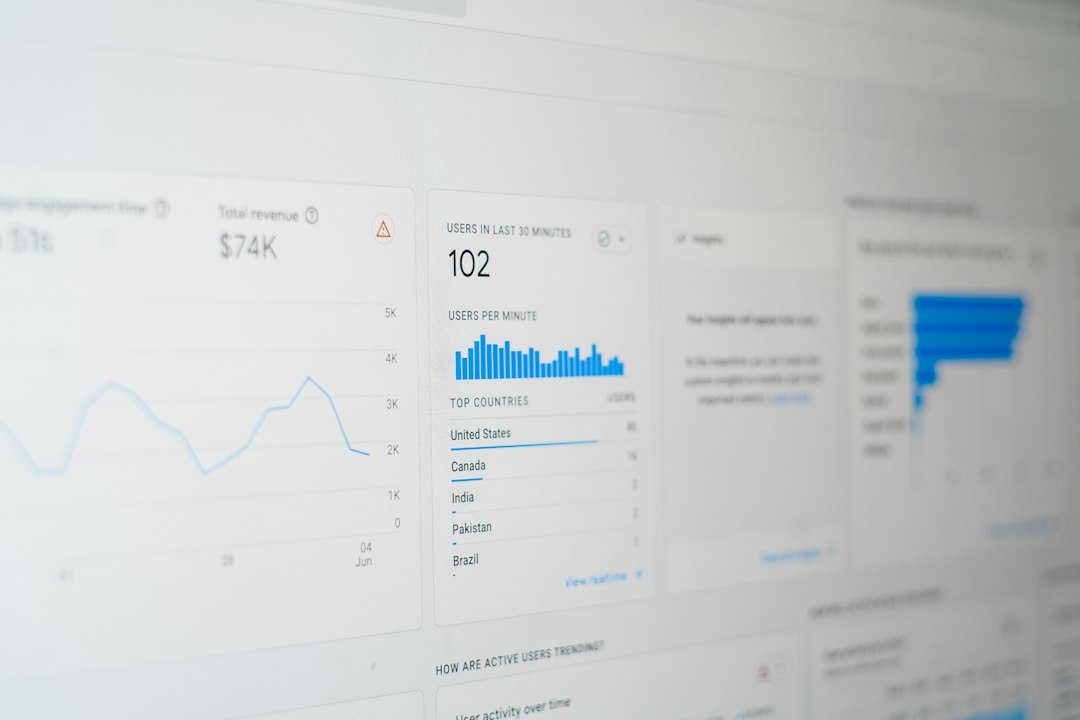
Reporting is where agency credibility is often won or lost. A tool should provide clean, branded, client-ready reports that explain progress without overwhelming the recipient. Automated report scheduling saves time, but quality matters more than volume. Reports should include meaningful metrics such as visibility score, average position, ranking distribution, top gains, top losses, and notes from the SEO team.
Turning Rank Data Into Client Strategy
Rank tracking is valuable only when the data leads to better decisions. Agencies should avoid presenting ranking changes as isolated facts. Instead, rankings should be tied to actions and outcomes. If a group of commercial keywords improves from positions 12–18 to positions 5–9, the next step may be conversion rate optimization, internal linking, or review improvement. If informational keywords rise but leads remain flat, the content may need stronger calls to action.
A disciplined process may look like this:
- Review weekly movement for priority keywords and client-critical pages.
- Identify patterns by tag, location, competitor, or content type.
- Connect rankings to traffic and conversions using analytics and search console data.
- Prioritize actions based on business value and realistic ranking opportunity.
- Explain changes clearly in client reports with context and next steps.
This approach helps agencies move beyond vanity metrics. A keyword moving from position 48 to 31 may look positive, but it may have little business impact. A keyword moving from position 4 to 2 for a high-converting local service can be far more important. The tracker should help the team identify the difference.
A Practical Agency Scenario
Imagine an SEO agency managing 18 clients, 2,400 keywords, and 96 tracked locations. Before implementing an agency rank tracker, the team spent roughly 30 hours per month preparing rank reports. Rankings were exported manually, charts were assembled in spreadsheets, and account managers often noticed ranking drops only when preparing monthly reports.
After adopting a centralized rank tracking workflow, the agency reduced reporting preparation time by approximately 55%. Weekly alerts flagged significant drops within 24 hours, and keyword tags helped strategists identify that local landing pages were outperforming general service pages by 22% in average visibility. The agency used that insight to expand localized content, improving qualified organic leads for several clients.

Common Mistakes Agencies Should Avoid
Even with good software, poor rank tracking habits can reduce the value of the data. Agencies should avoid tracking too many irrelevant keywords just to inflate report size. They should also avoid reporting every ranking fluctuation as a major event. Search results are dynamic, and small changes are normal.
- Do not rely on rankings alone: Pair them with traffic, leads, revenue, and engagement data.
- Do not ignore search intent: Ranking for the wrong intent rarely produces strong results.
- Do not overreport volatility: Focus on trends, priority terms, and business impact.
- Do not treat all keywords equally: Assign importance based on revenue potential and client goals.
Choosing the Right Tool for Long-Term Agency Growth
The right agency rank tracker should support scale without sacrificing clarity. It should be easy enough for account managers to use, detailed enough for SEO specialists, and structured enough for leadership to monitor client performance across the whole portfolio. Reliability, data freshness, export options, integrations, and permission management all matter.
Most importantly, the tool should help the agency build trust. Clients do not simply want a list of positions; they want confidence that their campaign is being monitored, understood, and improved. When ranking data is accurate, organized, and explained professionally, it becomes a strong foundation for retention and growth.
For agencies managing hundreds of keywords across clients, an agency rank tracker tool is no longer optional. It is part of the operational infrastructure of professional SEO delivery. Used properly, it saves time, improves accountability, sharpens strategy, and helps agencies communicate results with the seriousness clients expect.