
AI Design Agents: Figma vs AI Design Agents for Automated UI Workflows

Figma remains the stronger choice for teams that need precise design control, while AI design agents are better for speeding up repeatable UI work such as wireframes, variants, content states, and handoff tasks. The best automated UI workflow usually combines both. Figma keeps designers, product managers, and engineers aligned around a shared source of truth. […]
Allowy AI: Allowy vs Lovable for AI-Powered App Development

Allowy AI is the better choice when you want controlled, product-ready AI app development, while Lovable is usually stronger for fast prototypes and early idea testing. Both tools turn plain language into app screens, workflows, and code, but they serve slightly different users. Lovable feels like a quick “build this for me” assistant. Allowy AI […]
How to Create a Product Prototype: Figma vs Lovable for Rapid Prototyping

The fastest prototype path is to use Figma when you need design control, and Lovable when you need a working app-like demo with real flows. Figma is still the safer choice for wireframes, interface polish, usability testing, and stakeholder review. Lovable is stronger when the prototype must feel closer to software, with screens, logic, forms, […]
Subnet Math: Subnet Calculators vs CIDR Tools and IP Address Management Alternatives

Use a subnet calculator for quick math, use CIDR tools for planning, and use IPAM when humans keep breaking the spreadsheet. That is the simple answer. Subnet math is not scary. It is just sizing rooms for IP addresses. TLDR: A subnet calculator answers one question fast, like “How many hosts fit in 192.168.10.0/27?” The […]
Banu AI: Banu AI vs Uizard for AI-Powered Interface Design

Banu AI is the better fit for teams that want AI-guided product thinking, while Uizard is stronger for turning rough ideas, sketches, and prompts into quick interface mockups. The choice comes down to the work that matters most: shaping a usable product flow or producing fast visual screens. Banu AI suits teams that need structure […]
Lovable AI Alternatives: Lovable vs Bolt.new for AI App Development
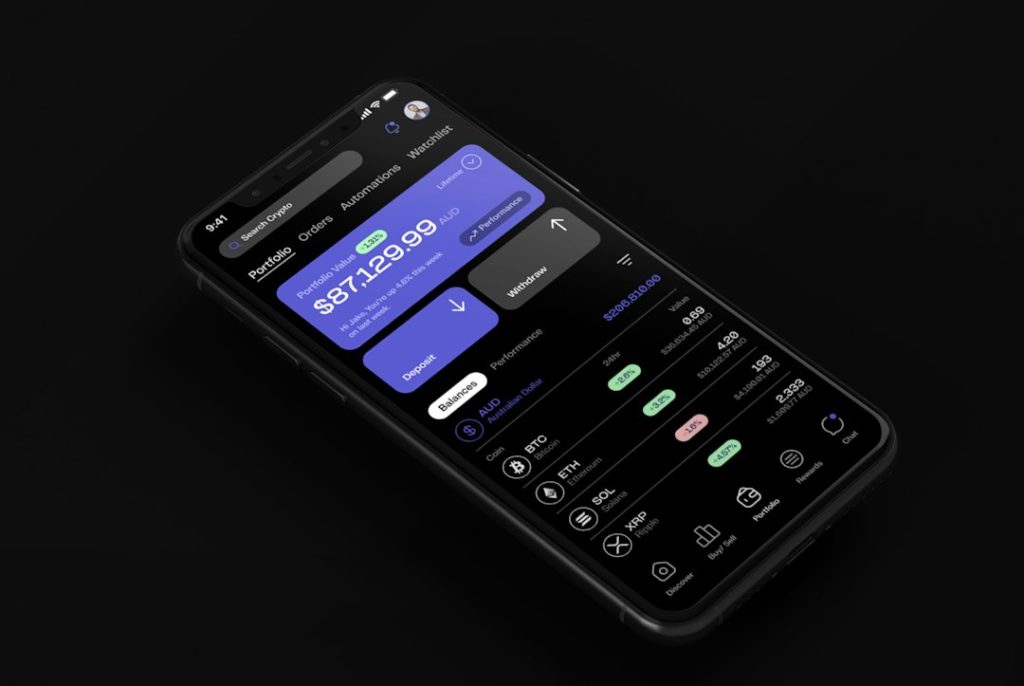
Pick Lovable if you want a polished product prototype fast; pick Bolt.new if you want more control over the code while still getting AI speed. Both tools can turn plain English into working apps, but they suit different builders. Lovable feels closer to an AI product designer. Bolt.new feels closer to an AI coding workspace […]
What Is RDP Used For? RDP vs SSH and Secure Remote Access Alternatives

RDP is used to control a Windows computer from somewhere else. You see the remote desktop, move the mouse, open apps, copy files, fix problems, and pretend you are sitting in front of that machine. It is handy. It is also risky when left open to the internet. TLDR: RDP is best for remote access […]
OpenVPN Access Server Pricing: OpenVPN Access Server vs Tailscale and Business VPN Alternatives

OpenVPN Access Server usually fits teams that want a traditional self-hosted VPN with direct server control, while Tailscale fits teams that want fast setup, device identity, and less maintenance. Price alone rarely decides the winner. The real cost comes from admin time, cloud hosting, user support, access rules, and how often the VPN breaks at […]
Best Remote Browser Isolation Technology for SASE: RBI vs SWG and Secure Access Alternatives

The best Remote Browser Isolation technology for SASE is cloud-native RBI that runs inside the same policy engine as SWG, ZTNA, CASB, and DLP. It should isolate risky browsing without forcing every website through a slow, pixel-heavy session. For most enterprises, the right choice is not RBI or SWG. It is SWG for broad web […]
Zero Trust IAM Implementation Firms: Zero Trust IAM vs Traditional IAM and Managed Security Alternatives

Zero Trust IAM implementation firms are best suited for organizations that need identity controls based on verification, context, and least privilege rather than old perimeter rules. Traditional IAM still helps manage users, roles, and access requests, but it often assumes too much once a person logs in. Zero Trust IAM keeps checking risk signals, device […]