Start with one clear coupon, one clear audience, and one measurable goal. Direct mail works best when the offer is simple enough to understand in five seconds and valuable enough to save instead of toss.
TLDR: A strong direct mail coupon campaign needs a focused offer, clean design, accurate targeting, and trackable codes. For example, a local pizza shop mailing 5,000 postcards with a 20% off family meal code might see a 3% redemption rate, or 150 orders, if the list is well chosen. If each order averages $38, that campaign can generate $5,700 in gross sales before repeat visits are counted. Track every code, call, scan, and sale so the next mailing costs less and performs better.
Build the Offer Before You Design the Mailer
The coupon is not decoration. It is the reason the customer keeps the piece. Before choosing colors, paper, or photos, decide what action you want.
- Drive first-time purchases: Use a welcome discount, free trial, or starter package.
- Bring back past customers: Offer a returning customer reward or limited-time upgrade.
- Increase order size: Use spend-based coupons such as “Save $15 when you spend $75.”
- Clear old inventory: Promote specific items with a short deadline.
- Book appointments: Offer a service credit or free add-on.
Weak offer: “Special savings inside.”
Strong offer: “Get $25 off your first cleaning when you book by March 31.”
The second version tells people what they get, what to do, and when to act. That matters. Vague coupons die in kitchen drawers.
Choose the Right Coupon Format
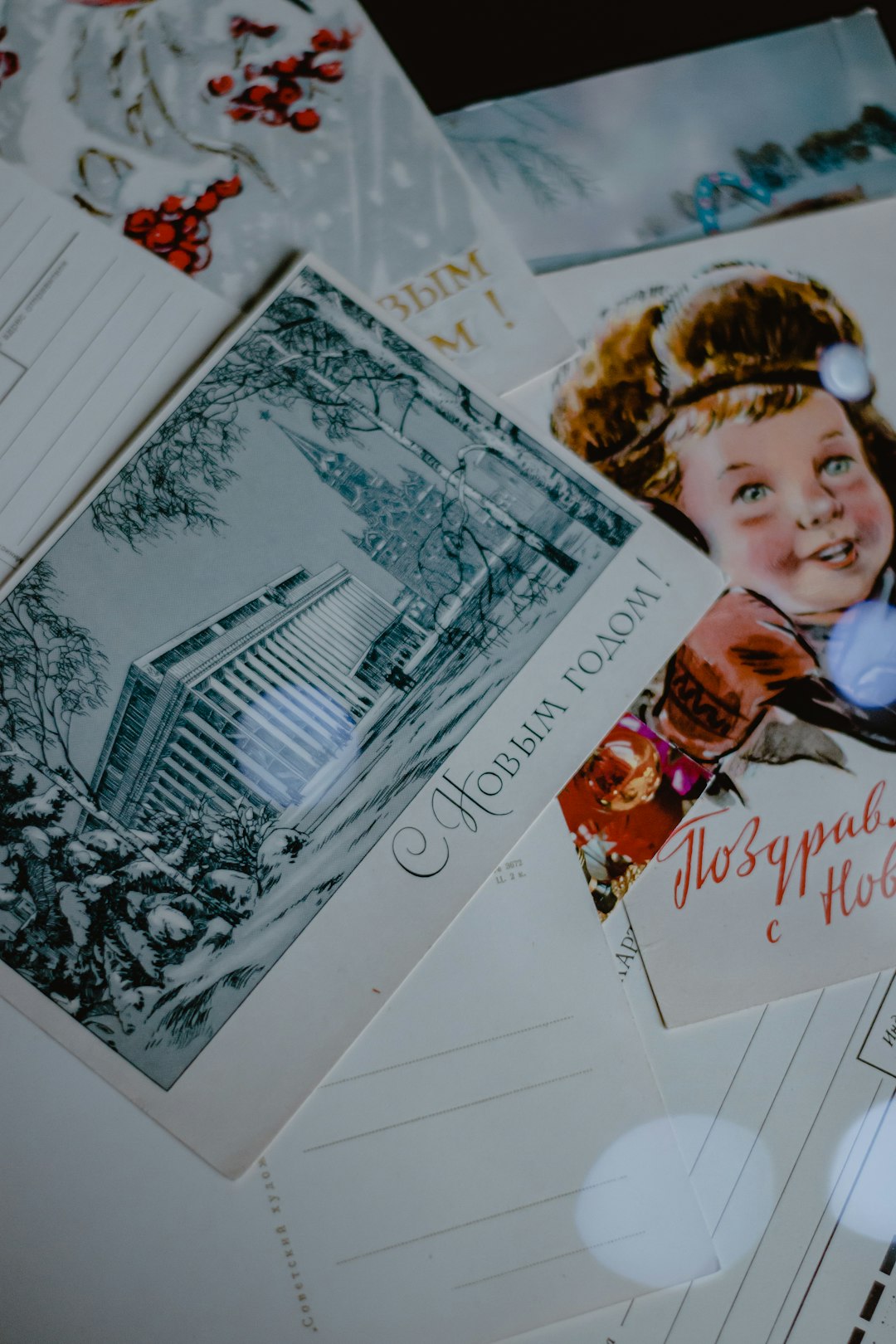
Different formats fit different goals. A glossy postcard is fast and affordable. A folded mailer gives you more space for service details. A letter in an envelope can feel more personal, which helps with higher-value offers.
- Postcards: Best for restaurants, retail, gyms, salons, local events, and simple discounts.
- Self-mailers: Good for service menus, seasonal packages, and multi-offer campaigns.
- Envelope mailers: Better for financial services, home improvement, healthcare, and private offers.
- Catalog inserts: Useful when promoting several products at once.
Keep the coupon area separate from the rest of the layout. Use a border, perforation effect, colored box, or scissor icon. Even if nobody cuts it out, the visual cue says, this has value.
Write Copy That Gets Used
Coupon copy should be plain, not clever. Customers should not have to decode the deal. Use large type for the benefit and smaller type for limits.
Include these five parts:
- Benefit: “Save 30%” or “Get a free appetizer.”
- Product or service: Say exactly what the offer applies to.
- Deadline: Add a real expiration date.
- Redemption method: “Bring this card,” “Scan the QR code,” or “Use code SPRING25.”
- Terms: Keep them short and fair.
Deadlines increase response because they remove the “I’ll do it later” problem. A 14 to 30 day window often works well for local offers. For bigger purchases, 45 to 60 days may be more realistic.
Design for the Mailbox, Not a Portfolio
Pretty mailers can still fail. The goal is not praise. The goal is action.
Use a strong headline, a large offer, high contrast, and one main call to action. Avoid stuffing five offers into one small postcard unless your audience already knows you well. Too many choices slow people down.
A smart layout often includes:
- A bold headline at the top.
- A product photo or lifestyle image.
- The coupon in a boxed section.
- A short list of benefits.
- A QR code and short URL.
- A phone number for people who hate scanning codes.
Make sure the offer is visible on both sides if you use a postcard. Mail gets flipped, stacked, bent, and ignored. Design for that messy reality.
Target the Right Households
Bad targeting burns money fast. Sending coupons to the wrong people is like handing out steakhouse discounts at a vegan fair. Some people may respond, but not many.
Start with your current customers. Find patterns. Where do they live? What do they buy? How often do they return? Then build a mailing list that matches those traits.
Common targeting options include:
- Geography: ZIP code, carrier route, neighborhood, or radius around your store.
- Demographics: Age range, income level, household size, homeowner status.
- Purchase behavior: Past buyers, lapsed customers, loyalty members.
- Life events: New movers, new parents, recent homeowners.
- Business type: For B2B offers, target by industry, company size, or location.
For local businesses, new mover lists can be excellent. These households are still choosing a dentist, pizza place, dry cleaner, gym, or contractor. Reach them before habits form.
Pick the Right Distribution Method
You do not need to mail everyone. In fact, you probably should not.
Every Door Direct Mail can be useful when your offer has broad appeal, such as a grocery store coupon, grand opening deal, or restaurant menu. It lets you send mail to carrier routes without buying a name-based list.
Targeted direct mail costs more per piece but can produce better results. Use it when the offer fits a specific group, such as high-income homeowners, pet owners, parents, or past customers.
Shared mail programs bundle your coupon with other ads. They are cheaper, but your message competes for attention. This can still work for food, auto services, and home services if the offer is strong.
Test small before mailing big. Send 2,000 to 5,000 pieces first. Track results. Then expand to the routes or segments that respond.
Track Every Redemption Path
If you cannot measure the campaign, you are guessing. And guessing gets expensive.
Use unique coupon codes for each customer group, route, or mail drop. For example, use PIZZA31 for one ZIP code and PIZZA32 for another. If PIZZA31 gets twice the orders, you know where to mail again.
Tracking tools can include:
- Unique promo codes.
- QR codes with campaign-specific links.
- Dedicated landing pages.
- Call tracking numbers.
- POS notes or cashier prompts.
- Customer surveys at checkout.
Honestly, it feels like some tracking dashboards were designed by people who never had to run a weekend sale. Exporting a basic code report can take four clicks too many. Still, the data is worth the irritation. Without it, you cannot tell a winning offer from a lucky week.

Measure More Than Redemption Rate
Redemption rate matters, but it is not the whole story. A 1.5% response can beat a 6% response if the first group spends more.
Track these numbers:
- Mail quantity: How many pieces were sent.
- Total cost: Printing, postage, design, list rental, and setup.
- Redemptions: How many coupons were used.
- Redemption rate: Redemptions divided by mail quantity.
- Average order value: Revenue per redeemed coupon.
- Gross revenue: Total sales tied to the campaign.
- Cost per redemption: Campaign cost divided by redemptions.
- Repeat purchases: Sales after the first coupon use.
Here is a simple example. A salon mails 3,000 postcards at a total cost of $2,100. The offer is $20 off a first visit. If 90 people redeem it, the redemption rate is 3%. The cost per redemption is $23.33. If the average first visit brings in $85, the campaign creates $7,650 in tracked revenue. If 30 of those clients return at full price, the campaign gets much stronger.
Test One Change at a Time
Do not change everything between mailings. You will not know what caused the result.
Test one variable per round:
- 10% off versus $10 off.
- Postcard versus envelope.
- Two-week deadline versus one-month deadline.
- Photo of product versus photo of happy customer.
- New movers versus all households in a route.
Keep a simple campaign log. Record the offer, list, design, quantity, cost, dates, and results. After three or four mailings, patterns appear. You may find that one neighborhood loves family bundles while another responds to premium upgrades.
A Strong Coupon Feels Easy to Use
Direct mail coupons work when they remove friction. The customer should know what they get, why it matters, and how to claim it. Make the offer clear. Mail it to the right people. Track the response with discipline.
The best campaigns are not always flashy. They are specific, useful, and easy to measure. That is what turns printed paper into booked appointments, store visits, online orders, and repeat customers.