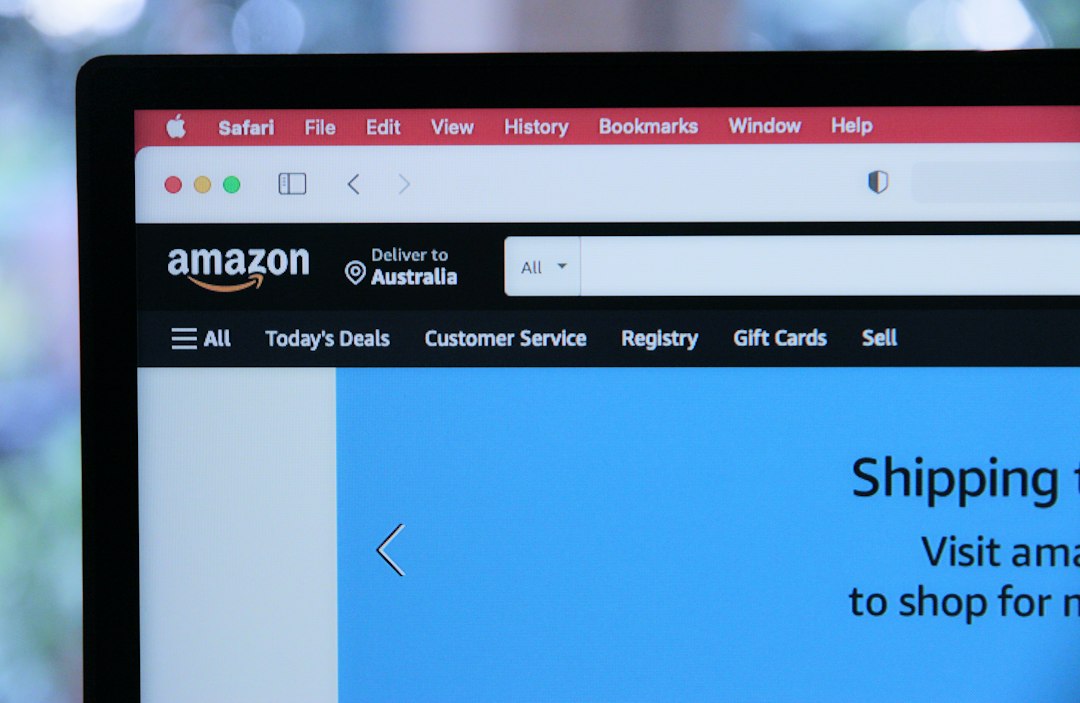
With millions of sellers and even more buyers, Amazon is one of the most popular e-commerce platforms in the world. Whether you’re a budding entrepreneur or a seasoned business owner, selling on Amazon can be a lucrative opportunity. However, one of the most frequently asked questions by new sellers is: Do I need a business license to sell on Amazon? The answer isn’t always straightforward—it depends on what you’re selling, how you’re selling it, and your own business structure.
Understanding What a Business License Is
A business license is a government-issued permit that allows individuals or companies to conduct business in a specific geographical location. It’s an important part of making your business legitimate and ensuring regulatory compliance. If you’re starting a business around outdoor products, you might even find yourself researching questions like, “has anyone test pedal drive kayak motor on Amazon?” before deciding which products to offer.
There are different types of licenses and permits you may need, including:
- General business license: Required by cities or counties for most types of business operations.
- Sales tax permit: Allows you to collect tax from customers where legally required.
- Professional or industry-specific licenses: For certain types of products such as food, alcohol, and health goods.
Amazon’s Requirements for Sellers
Amazon does not require a business license for all merchants. In fact, many individuals begin selling on Amazon as sole proprietors using their personal name and social security number.
However, there are scenarios where you may need a business license or other legal documentation:
- You’re forming a business entity: If you register as an LLC or corporation, many states will require a business license as part of that process.
- You’re selling certain restricted or regulated products: These might include food items, medical supplies, or cosmetics, which often require federal or state licenses or permits.
- You plan to scale: A business license supports your growth. It simplifies tasks like opening a business bank account, hiring employees, or getting wholesale discounts from suppliers.
Types of Sellers on Amazon
There are primarily two types of sellers on Amazon:
- Individual Sellers: Ideal for casual or occasional sellers. You don’t pay a monthly fee, but you do pay a $0.99 fee per item sold. This type of seller typically doesn’t require a business license, unless it’s mandated in your state or municipality.
- Professional Sellers: Better suited for sellers planning to sell in higher volume. The account costs $39.99/month, plus referral and other fees. While Amazon does not mandate a business license for this account, having legal documentation enhances your professionalism and builds supplier trust.
State and Local Requirements
Even if Amazon doesn’t ask for a license, your local or state government might. This is especially important when it comes to collecting and remitting sales tax. Many states in the U.S. require online sellers to register for a sales tax permit once they have ‘nexus’—which can be triggered by factors such as having inventory in an Amazon FBA warehouse, or hitting certain sales thresholds.
To determine what’s necessary in your case, check with your:
- State’s Department of Revenue
- City or County Business License Office
What Happens If You Sell Without a License?
Technically, Amazon won’t stop you from creating a seller account without a business license—unless you’re selling in a restricted category. However, ignoring licensing at the state or local level can lead to fines, penalties, or orders to cease operations. It can also damage your credibility with suppliers and customers.

Benefits of Having a Business License
While it’s not always mandatory, having a business license comes with several compelling benefits:
- Legitimacy: Shows customers, suppliers, and partners you run a serious operation.
- Tax advantages: Enables better tax deductions and recordkeeping by separating business and personal finances.
- Access to wholesale suppliers: Many require proof of a legal business before allowing bulk purchases.
Final Thoughts
Selling on Amazon offers unmatched exposure and convenience, but understanding the legal requirements behind the scenes is crucial for long-term success. While a business license isn’t a requirement across the board, many sellers find that obtaining one offers both legal protection and practical advantages.
Before diving into your Amazon venture, take time to consult with a business attorney or your local business regulatory office to ensure you’re operating legally in your jurisdiction. It might seem like a formality, but it could save you major headaches—and money—in the long run.