
Energy markets are among the most complex and volatile financial environments in the world. Prices shift rapidly in response to geopolitical events, regulatory changes, weather patterns, infrastructure disruptions, and shifts in supply and demand. For traders, utilities, producers, and large industrial consumers, making informed decisions is not optional—it is essential. The right energy trading tools do more than display prices; they provide structured insights, risk visibility, and actionable intelligence that support disciplined decision-making.
TLDR: Energy trading tools help market participants analyze price movements, forecast demand, manage risk, and optimize trading strategies. The most effective platforms combine real-time market data, advanced analytics, risk management modules, and forecasting capabilities. Using these tools improves transparency, reduces exposure to unexpected volatility, and supports more confident market decisions. Firms that rely on structured trading systems consistently outperform those that depend on manual processes or fragmented data sources.
Why Energy Markets Require Specialized Tools
Unlike many other financial markets, energy markets are physically tethered to real-world assets. Electricity must be balanced on the grid in real time. Natural gas flows through pipelines with capacity constraints. Oil transportation depends on shipping routes and refinery capacity. These constraints introduce structural complexities that traditional stock trading platforms are not designed to handle.
Key characteristics that make energy markets unique include:
- High volatility due to weather, demand cycles, and geopolitical risk.
- Regional price variations influenced by transmission congestion and infrastructure limits.
- Regulatory oversight that changes across jurisdictions.
- Physical delivery requirements in some contracts.
As a result, traders and risk managers rely on specialized tools built specifically for commodities such as power, natural gas, crude oil, and renewable energy certificates.
Core Types of Energy Trading Tools
Effective decision-making requires a combination of complementary systems rather than a single solution. Below are the primary categories of tools used across the energy trading ecosystem.
1. Real-Time Market Data Platforms
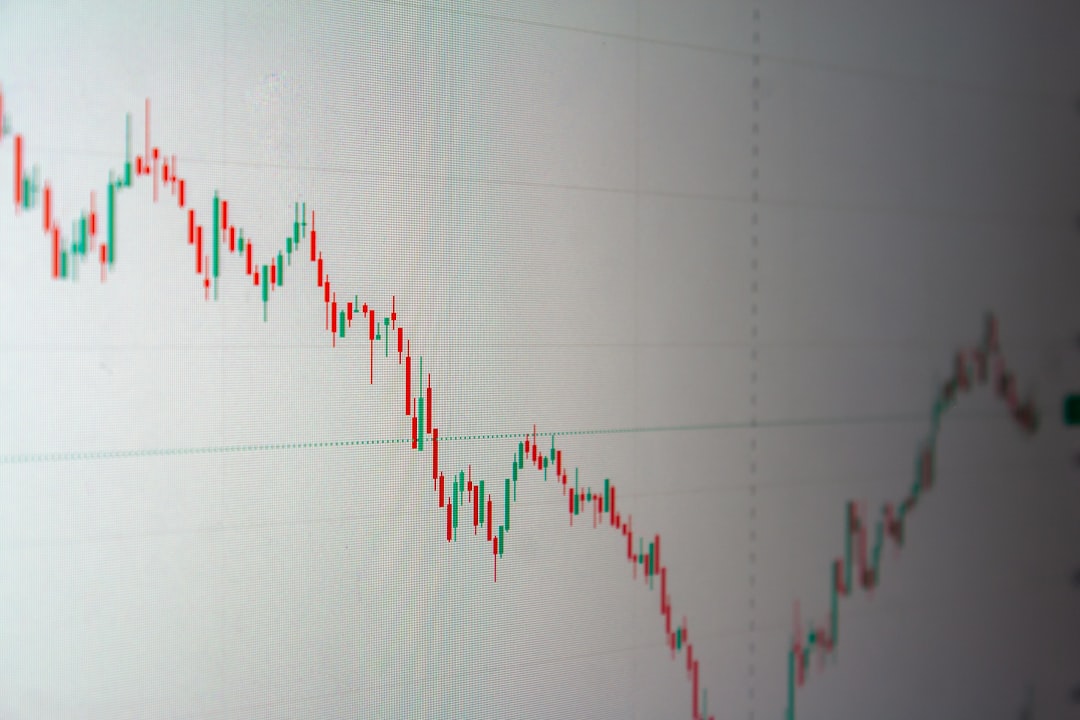
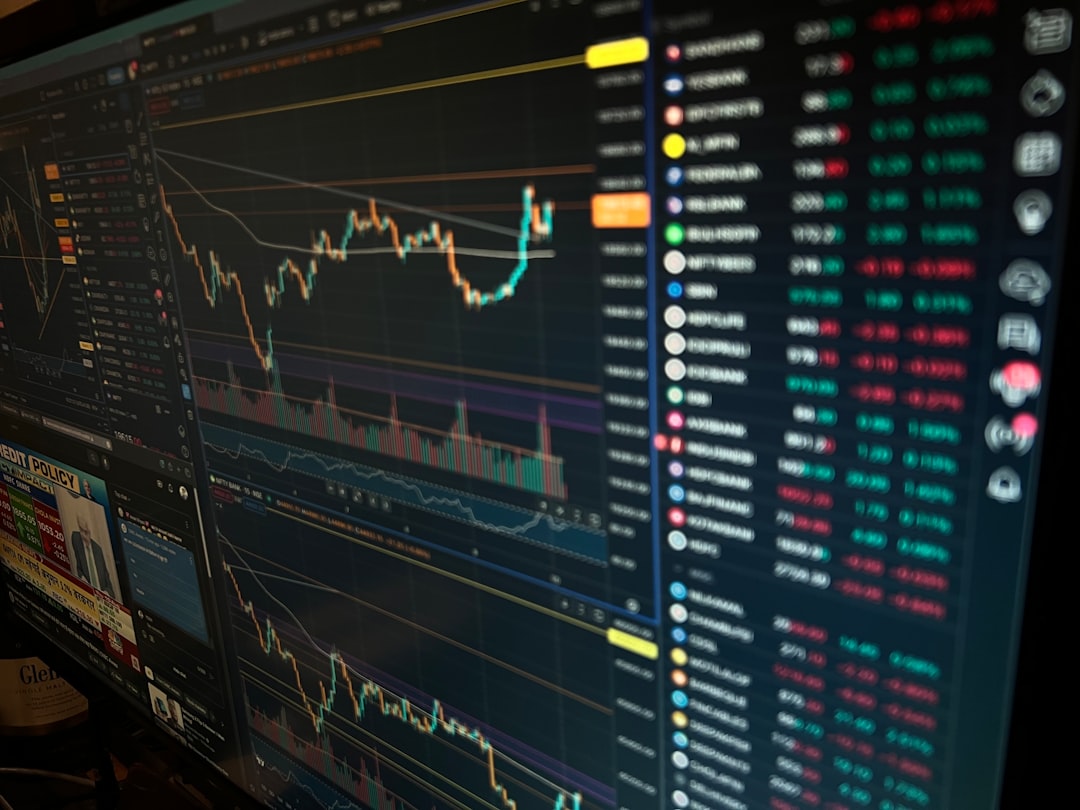
Accurate and timely data is the foundation of all trading decisions. Market data platforms aggregate prices from exchanges, over-the-counter markets, and brokers, presenting real-time bid-ask spreads, historical prices, and liquidity indicators.
These platforms typically provide:
- Live futures and spot pricing
- Historical price analytics
- Volume and open interest data
- News feeds and economic indicators
Why it matters: In volatile markets, even a short delay in price information can materially affect trade execution and profitability.
2. Energy Trading and Risk Management (ETRM) Systems
ETRM systems are comprehensive platforms designed specifically for commodity trading organizations. They integrate trade capture, scheduling, logistics, credit management, and financial reporting into one framework.
Core capabilities include:
- Automated trade capture and confirmation
- Position tracking across portfolios
- Value-at-risk (VaR) calculations
- Credit exposure monitoring
- Regulatory compliance reporting
Why it matters: ETRM systems give decision-makers a consolidated view of their market exposure, enabling proactive risk management.
3. Forecasting and Analytics Tools
Forecasting models play a central role in energy trading. Demand forecasting, weather modeling, and price prediction algorithms help traders anticipate shifts before they occur.
Advanced platforms incorporate:
- Weather-driven load forecasting
- Statistical price forecasting models
- Machine learning-based scenario analysis
- Supply disruption risk simulations
In electricity markets especially, short-term weather forecasts can significantly influence price expectations.
4. Algorithmic and Automated Trading Systems
Some energy traders use algorithmic systems that execute trades automatically when predefined criteria are met. These tools are especially common in highly liquid markets such as crude oil futures and certain power exchanges.
Features typically include:
- Rule-based automated execution
- Backtesting functionality
- Latency optimization
- Portfolio optimization algorithms
Why it matters: Automation reduces emotional decision-making and ensures consistency in fast-moving markets.
5. Risk Analytics and Stress Testing Tools
Given the volatility of energy markets, understanding downside exposure is essential. Stress-testing tools model extreme but plausible scenarios—such as pipeline outages, geopolitical conflicts, or sudden regulatory bans.
Risk tools help firms evaluate:
- Price shocks
- Liquidity risk
- Counterparty default risk
- Correlation risk across commodities
Comprehensive risk dashboards allow executives to see consolidated exposure across trading desks in real time.
Comparison of Leading Energy Trading Tool Categories
| Tool Type | Primary Function | Best For | Key Benefit |
|---|---|---|---|
| Market Data Platforms | Real-time price monitoring | Day traders, analysts | Immediate market visibility |
| ETRM Systems | Trade and risk management | Utilities, producers, large trading firms | Integrated portfolio oversight |
| Forecasting Tools | Predictive modeling | Power and gas traders | Forward-looking insight |
| Algorithmic Systems | Automated trade execution | High-frequency traders | Speed and discipline |
| Risk Analytics Platforms | Stress testing and exposure analysis | Risk managers, executives | Downside protection |
How These Tools Improve Market Decisions
The value of energy trading tools becomes clear when examining how they enhance the decision-making process.
1. Improved Situational Awareness
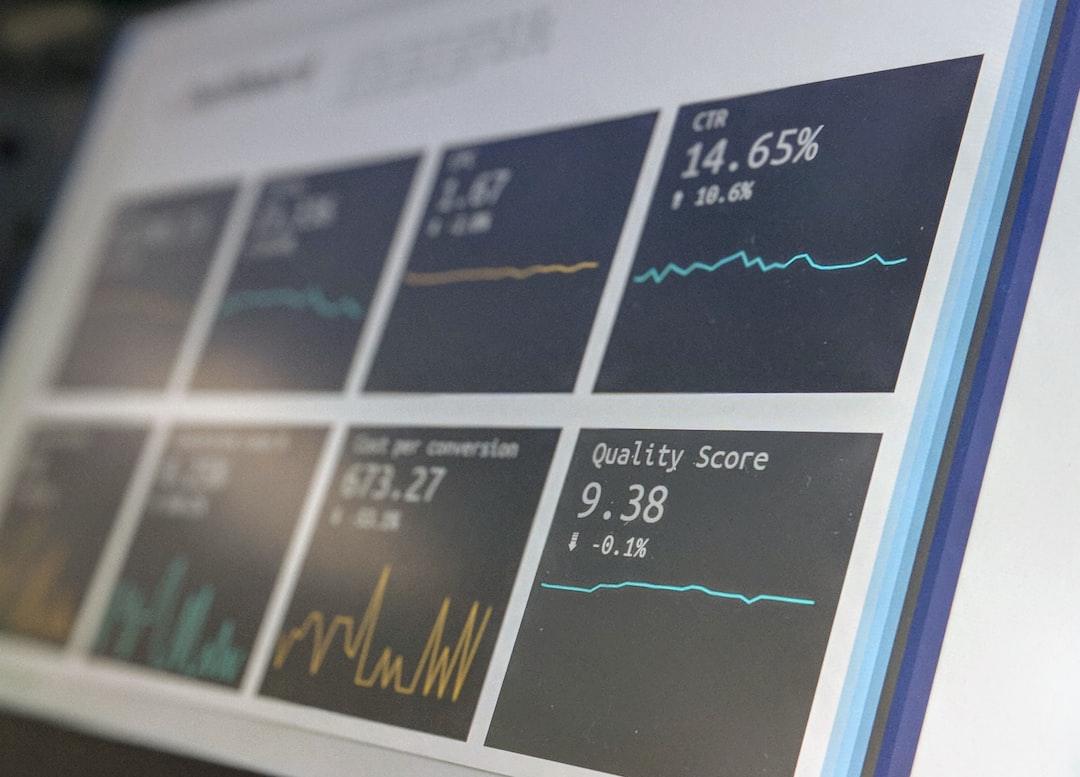
Dashboards that aggregate prices, positions, weather forecasts, and geopolitical news provide a comprehensive market overview. Rather than relying on fragmented data sources, decision-makers access structured and centralized information.
2. Quantified Risk Exposure
Without proper risk analytics, exposure can accumulate unnoticed. Modern systems calculate profit-and-loss scenarios under various market conditions, enabling traders to adjust hedges proactively.
3. Faster Response to Volatility
Energy markets can shift within minutes. Automated alerts notify traders of unusual price movements, margin calls, or credit threshold breaches. This minimizes reaction time and supports disciplined action.
4. Regulatory Compliance and Transparency
Energy markets operate under strict reporting requirements. Built-in compliance modules ensure accurate transaction documentation and audit trails, reducing operational and legal risks.
5. Data-Driven Strategy Development
Historical backtesting allows traders to evaluate strategies against years of price data. Instead of relying on intuition alone, strategies can be stress-tested and refined before deployment.
Key Features to Look for When Selecting a Tool
Not all platforms offer the same capabilities. When evaluating energy trading tools, consider the following factors:
- Scalability: Can the system handle growth in trade volume and additional commodities?
- Integration capabilities: Does it connect seamlessly with accounting, ERP, and scheduling systems?
- Data reliability: Are data feeds redundant and verified?
- User access controls: Can permissions be customized for different roles?
- Analytics depth: Are advanced risk metrics and forecasting options available?
Organizations often conduct pilot implementations before full deployment to ensure compatibility with existing processes.
The Growing Role of Artificial Intelligence
Artificial intelligence is increasingly embedded in energy trading environments. Machine learning models detect hidden correlations between weather patterns, fuel prices, and power demand. Natural language processing tools analyze news headlines and regulatory announcements for sentiment signals.
However, while AI enhances forecasting and pattern recognition, responsible governance remains critical. Models should be validated regularly, and human oversight must remain central to final decision-making.
Balancing Technology with Judgment
Technology strengthens analytical capacity, but it does not replace professional expertise. Experienced traders interpret signals within broader economic and geopolitical contexts. The most successful energy trading operations combine:
- Robust technological infrastructure
- Strong risk governance frameworks
- Disciplined trading strategies
- Experienced market professionals
This balanced approach prevents overreliance on any single model or system.
Conclusion
Energy trading tools are no longer optional enhancements—they are foundational components of modern commodity market participation. Real-time data platforms provide visibility. ETRM systems deliver integrated trade and risk control. Forecasting and analytics tools offer predictive insights. Algorithmic systems enable speed and consistency. Risk management platforms safeguard against catastrophic exposure.
In markets defined by volatility and structural complexity, informed decisions require structured intelligence. Organizations that invest in comprehensive, reliable, and well-integrated energy trading tools position themselves to navigate uncertainty with discipline and confidence. Over time, the combination of accurate data, advanced analytics, and rigorous oversight leads not merely to smarter individual trades, but to more resilient and strategically sound trading operations.