
Use HubSpot when your lead generation KPIs depend on speed, source clarity, and marketing execution; use Salesforce when campaign performance must be tied to sales pipeline, revenue, and complex opportunity tracking. The difference matters because lead volume alone often hides poor campaign quality. HubSpot’s 2024 marketing research reports that 15% of marketers cite generating traffic and leads as their biggest challenge [source: HubSpot]. That is why the tool choice should start with one question: Are you measuring form fills, or are you measuring revenue from those form fills?
TLDR: HubSpot is usually stronger for tracking early lead generation KPIs such as visitor-to-lead conversion rate, cost per lead, landing page performance, and email engagement. Salesforce is stronger for measuring lead quality, sales acceptance, pipeline created, win rate, and campaign ROI. For example, if a paid search campaign produces 500 leads at $40 per lead, HubSpot will show that quickly; Salesforce will show whether those leads created $120,000 in pipeline or only wasted sales time. A serious team often uses both, with HubSpot handling capture and Salesforce proving commercial impact.
Image not found in postmetaWhat Lead Generation KPIs Should Really Measure
Lead generation reporting fails when it stops at lead count. A campaign that creates 1,000 low-intent leads can look better than a campaign that creates 80 high-fit prospects. That drives poor budget decisions.
The core KPIs should be split into three groups:
- Volume KPIs: sessions, new contacts, form submissions, marketing qualified leads, and demo requests.
- Efficiency KPIs: cost per lead, cost per MQL, landing page conversion rate, email click rate, and ad conversion rate.
- Revenue KPIs: sales qualified leads, opportunities created, pipeline value, win rate, sales cycle length, customer acquisition cost, and campaign ROI.
HubSpot handles the first two groups very well out of the box. Salesforce is better suited to the third group, especially when sales processes are layered, regional, or account based.
HubSpot for Campaign Performance
HubSpot’s biggest strength is that marketing activity and contact data sit close together. Forms, landing pages, ads, email campaigns, workflows, lists, and reporting all share the same system. That makes KPI setup faster.
For a marketing team, this is practical. You can see which landing page produced a lead, what email they opened, which ad they clicked, and whether they became an MQL. You do not need to wait for three admin tickets just to check a campaign result.
Best HubSpot KPIs include:
- Visitor-to-lead conversion rate: useful for landing page and content performance.
- Lead source: shows whether paid search, organic search, email, social, or referrals are producing contacts.
- Cost per lead: helpful for budget checks across channels.
- MQL creation rate: shows whether leads meet basic fit and intent criteria.
- Email engagement: useful for nurture campaign quality.
- Form conversion rate: key for offer testing and page optimization.
HubSpot also makes attribution easier for smaller teams. First-touch, last-touch, and multi-touch reports are more approachable than many enterprise CRM setups. The catch is that HubSpot can make weak leads look too good if your lifecycle stages are loose. If “MQL” only means “downloaded an ebook,” your dashboard may feel busy but not useful.
Salesforce for Campaign Performance
Salesforce is built around sales process depth. That makes it strong for campaign measurement after the lead reaches sales. It tracks leads, contacts, accounts, opportunities, campaign members, stages, owners, tasks, and closed revenue in detail.
Salesforce shines when management asks harder questions. Which campaign created qualified pipeline? Which webinar influenced closed deals? Which partner campaign created opportunities with the highest average contract value? Those answers need more than basic lead tracking.
Best Salesforce KPIs include:
- Lead-to-SQL conversion rate: shows how many marketing leads sales accepts.
- Campaign-influenced pipeline: measures opportunity value tied to campaign activity.
- Opportunity creation rate: shows whether campaigns create real sales motion.
- Win rate by campaign: compares quality across sources.
- Average deal size: shows whether a campaign attracts valuable buyers.
- Revenue attribution: connects campaign touchpoints to closed-won deals.
Salesforce Campaign Influence can track how campaigns relate to opportunities when configured correctly [source: Salesforce]. Still, setup matters. Honestly, it feels like Salesforce punishes lazy data governance. If campaign member statuses, lead sources, contact roles, and opportunity links are messy, reports become suspect fast.
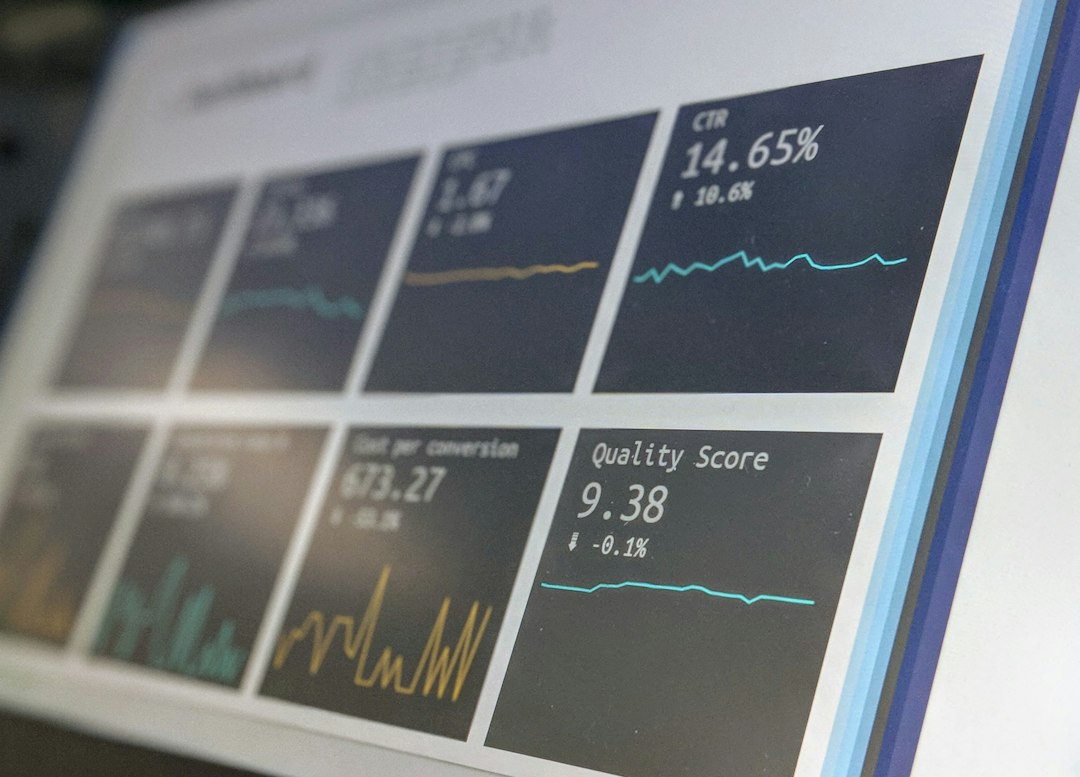
HubSpot vs. Salesforce: KPI Comparison
| KPI Area | HubSpot Strength | Salesforce Strength |
|---|---|---|
| Lead capture | Excellent for forms, landing pages, chat, and content offers. | Good, but often depends on connected tools. |
| Source tracking | Clear and marketer friendly. | Powerful when fields and campaigns are standardized. |
| MQL tracking | Easy to build with lists, scoring, and workflows. | Works well, but usually needs admin support. |
| Sales qualification | Good for simple sales teams. | Stronger for SDR, AE, and multi-stage processes. |
| Pipeline reporting | Useful for simpler revenue teams. | Best for complex opportunity tracking. |
| Campaign ROI | Good for marketing-sourced revenue views. | Stronger for executive revenue reporting. |
Where HubSpot Can Mislead You
HubSpot’s simplicity is also its risk. It can show attractive campaign numbers before sales quality is proven. A landing page may convert at 12%, but if only 3% of those leads become SQLs, the campaign needs fixing.
Another issue is lifecycle discipline. Teams often create too many lists and workflows without strict definitions. Then “MQL,” “engaged lead,” and “sales ready” start to overlap. It drives me crazy that a simple naming problem can ruin six months of trend data.
To avoid this, define each lifecycle stage in writing. Do not let every campaign owner invent a new version of lead quality.
Where Salesforce Can Slow You Down
Salesforce is powerful, but it is rarely quick. Campaign reporting can require custom fields, validation rules, campaign hierarchies, report types, dashboards, and admin review. Expect to waste time on field mapping if marketing and sales disagree on definitions.
The extra effort can pay off. Salesforce is better when a board or CFO asks for proof that marketing spend created pipeline. But teams should not pretend configuration is minor. Bad Salesforce reporting often comes from poor process, not poor software.
Best Setup for Reliable Campaign Measurement
For many B2B teams, the best answer is not HubSpot or Salesforce. It is HubSpot and Salesforce with clear ownership.
- HubSpot owns: campaign creation, landing pages, forms, email nurturing, ad tracking, UTMs, and MQL creation.
- Salesforce owns: lead assignment, sales qualification, opportunity tracking, pipeline, forecasting, and closed revenue.
- Both systems share: lead source, campaign name, lifecycle stage, owner, account fit, and conversion status.
A strong model looks like this: HubSpot captures a webinar registration, scores the contact, and marks them as an MQL. Salesforce assigns the lead to an SDR, tracks whether it becomes an SQL, and connects it to an opportunity. HubSpot explains marketing engagement. Salesforce proves business value.

Which Platform Should You Choose?
Choose HubSpot if your main pain is campaign execution and top-of-funnel visibility. It is a strong fit for teams that need cleaner source tracking, fast landing page reports, nurture insights, and simple KPI dashboards.
Choose Salesforce if your main pain is proving revenue impact. It is the better fit for teams with long sales cycles, multiple sales roles, partner channels, account-based marketing, or complex opportunity attribution.
If you already use both, do not let them report different versions of truth. Create one KPI dictionary. Decide which system is the source of record for each metric. Audit sync errors monthly. Most arguments about campaign performance are really arguments about definitions.
The serious answer is simple. HubSpot tells you which campaigns create leads. Salesforce tells you which campaigns create business. The strongest lead generation reporting connects both views, then cuts spend from campaigns that cannot pass from contact to pipeline.