Your app is ready. Your website looks sharp. Your product is set to meet the world. Then someone asks, “Can we launch it in 12 languages?” Suddenly, your coffee tastes like panic. This is where localization outsourcing can save the day.
TLDR: Localization outsourcing means hiring outside experts to adapt your content for other languages and cultures. It can save time, improve quality, and help you reach more customers. But there are risks, like poor quality, missed deadlines, and data issues. The trick is to choose a language partner who is skilled, clear, and easy to work with.
What Is Localization Outsourcing?
Localization is more than translation. Translation changes words from one language to another. Localization changes the full experience.
It checks tone. It checks culture. It checks dates, prices, images, jokes, buttons, and even emojis. Yes, even emojis can betray you.
Outsourcing means you hire another company or team to handle this work. This partner may translate your website, app, software, ads, help center, emails, videos, or product pages.
Think of it like hiring a travel guide for your brand. You know your product. They know the local roads.

Why Companies Outsource Localization
Many businesses start with a simple idea: “Let’s just use someone who speaks the language.” That can work for a birthday card. It does not always work for a product launch.
Professional localization needs writers, editors, engineers, testers, and project managers. It also needs style guides, glossaries, tools, and quality checks.
That is why outsourcing is popular. It gives you access to a full team without building one from scratch.
The Big Benefits
- You save time. A good partner already has a process. They can move fast. They know what to do first, next, and last.
- You get better quality. Native speakers and subject experts can make your message sound natural. Not “robot wearing a hat” natural. Real natural.
- You can scale fast. Need 3 languages today and 15 next quarter? A strong provider can add people and tools as you grow.
- You avoid culture mistakes. Colors, jokes, images, and slogans can mean different things in different places. Local experts help you avoid awkward surprises.
- You protect your brand voice. With the right glossary and style guide, your brand can sound consistent in every market.
- Your team can focus. Your developers, marketers, and product people can keep doing their main jobs. No one has to become a “part time translation wizard.”
Where Localization Helps Most
Localization matters in many places. Some are obvious. Some hide in plain sight.
- Websites: Landing pages, product pages, forms, menus, and legal text.
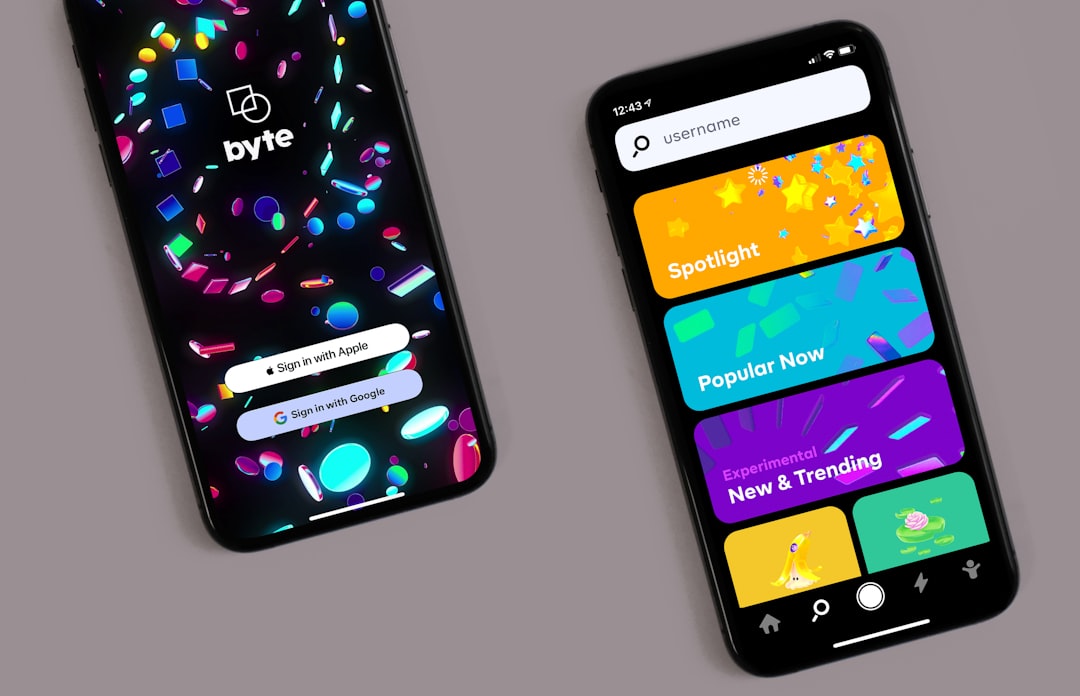
- Apps: Buttons, alerts, onboarding screens, app store pages, and support content.
- Software: Interfaces, error messages, release notes, and user guides.
- Marketing: Ads, emails, social posts, slogans, and video subtitles.
- Customer support: FAQs, chat scripts, help articles, and knowledge bases.
A tiny string like “Submit” may look simple. But in another language, it may need more space. It may sound too formal. It may not fit the button. This is why localization is both language work and design work.
The Risks You Should Know
Outsourcing is useful. But it is not magic. If you choose the wrong partner, things can get messy.
1. Poor Quality
Bad localization can make your brand look careless. It can confuse users. It can even make people laugh for the wrong reason.
Low quality often happens when providers rush, skip review steps, or use translators who do not understand your field.
2. Lost Brand Voice
Your brand may be friendly, bold, calm, or playful. If your partner does not know that, your message may change. One language may sound warm. Another may sound like a tax form.
3. Missed Deadlines
Localization often connects to product launches. If translations are late, your launch can be late too. That can upset teams, partners, and customers.
4. Security Issues
You may share product plans, customer data, legal documents, or internal content. If your partner has weak security, that is a problem.
5. Hidden Costs
Cheap quotes can become expensive later. You may pay extra for edits, file handling, urgent work, testing, or project management. Always ask what is included.
How to Choose the Right Language Partner
Now for the fun part. Picking a localization partner is a bit like dating. You want skill, trust, and good communication. A nice smile helps, but a clear workflow helps more.
Check Their Experience
Ask if they have worked in your industry. A gaming app is not the same as medical software. A fashion website is not the same as a banking platform.
Look for case studies. Ask for sample work. If possible, run a small test project first.
Ask About Native Experts
Your partner should use native speakers for each target market. Even better, they should use people who live in that market or understand it well.
Language changes fast. Slang changes faster. Yesterday’s cool phrase can become today’s cringe.
Review Their Quality Process
A strong partner should explain how they check work. Look for steps like:
- Translation by a qualified linguist.
- Editing by a second expert.
- Proofreading before delivery.
- Automated checks for numbers, tags, and formatting.
- In context review inside your app or website.
Talk About Tools
Good localization teams use tools to work faster and stay consistent. These may include translation memory, glossaries, content connectors, and project dashboards.
Translation memory stores approved past translations. This saves time and money. It also keeps repeated phrases consistent.
Make Communication Easy
Your partner should be easy to reach. They should answer questions clearly. They should tell you when something is unclear, not guess and hope for the best.
Ask who your main contact will be. Ask how updates are shared. Ask what happens if there is a delay.
Check Security and Privacy
If you handle sensitive content, ask about data protection. Do they sign NDAs? Do they limit access to files? Do they use secure systems?
This may not sound exciting. But neither does a data leak. Boring security is beautiful.
Compare Value, Not Just Price
The cheapest option can cost more if you need many fixes. The most expensive option is not always the best either.
Look for balance. You want fair pricing, clear scope, proven quality, and a team that understands your goals.
Questions to Ask Before You Sign
- Which languages and markets do you support?
- Who will translate and review our content?
- Do you have experience in our industry?
- How do you handle style guides and glossaries?
- What is your quality control process?
- Can you work with our files, tools, or content system?
- How do you price projects?
- What happens if we are not happy with the result?
- How do you protect confidential information?
A Simple Final Tip
Start small. Do not hand over your entire global launch on day one. Give your partner a pilot project. Test their quality, speed, and communication.
If the pilot goes well, grow from there. Build a glossary. Share feedback. Create a style guide. Treat the partner like part of your team.
Localization outsourcing is not just about changing words. It is about helping people feel that your product was made for them. When done well, it feels smooth, local, and natural. Like your brand packed its bags, learned the customs, and showed up with snacks.
Choose wisely. The right language partner can help your business cross borders with confidence. And with far fewer translation disasters.