
Racing through the world of fast trades can feel like stepping onto a digital racetrack. Lights flash. Numbers move. Decisions happen in seconds. Welcome to the thrilling ride known as Stockity High-Velocity Binary Track. It sounds intense. And it is. But it can also be simple. And even fun. If you understand the rules of the road.
TLDR: Stockity High-Velocity Binary Track is a fast-paced trading environment where you predict short-term price movements. You choose a direction, set a time, and wait for the outcome. The key is speed, discipline, and strong risk control. With the right mindset and strategy, you can navigate the track confidently and avoid costly mistakes.
Let’s break it down. No complicated jargon. No financial fog. Just clear, simple ideas.
What Is the High-Velocity Binary Track?
Think of it like a sprint. Not a marathon.
In traditional investing, you might wait months or years. Here, you wait minutes. Sometimes seconds. You predict whether an asset’s price will go up or down within a short time frame. That’s it. Two choices. Simple.
This is called binary trading. Because there are only two outcomes.
- Up – The price finishes higher than your entry point.
- Down – The price finishes lower than your entry point.
If you are correct, you earn a fixed return. If not, you lose the amount you invested in that trade.
It is fast. It is focused. It demands attention.
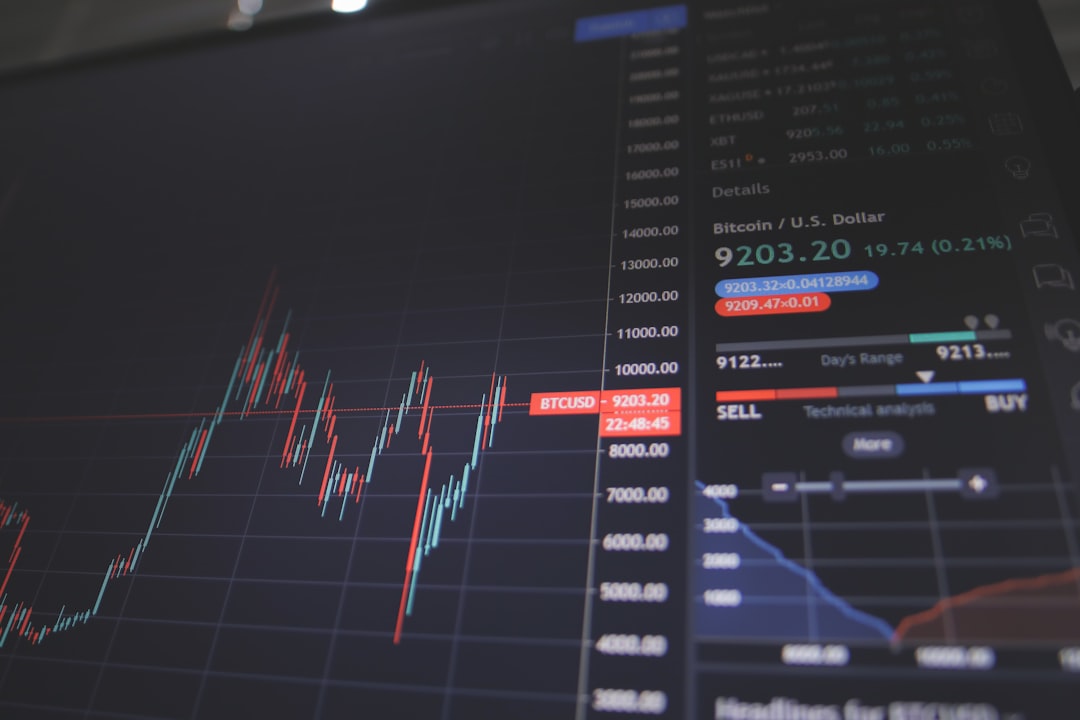
Why Is It Called High-Velocity?
Because everything moves quickly.
Prices shift in seconds. News impacts instantly. Emotions rise fast.
You do not have time for long debates. You need:
- Clear strategy
- Quick thinking
- Strong discipline
Imagine driving a sports car. You cannot close your eyes. You cannot text. You stay alert. The same rule applies here.
How the Track Works
Let’s simplify this into five steps.
- Pick an asset. This could be currency pairs, stocks, indices, or commodities.
- Choose expiration time. This might be 30 seconds, 1 minute, or 5 minutes.
- Predict direction. Up or Down.
- Set your amount. Decide how much you want to risk.
- Wait for the result.
That’s the full cycle. Short. Direct. Clear.
Then the next round begins.
The Excitement Factor
Let’s be honest. Speed is exciting.
You do not wait long to know the result. There is no endless uncertainty. The outcome appears quickly.
This creates a game-like feeling. But here is the important part.
It is not a game.
Real money is involved. Real risk exists. Treat it seriously.
Key Skills You Need
You do not need a finance degree. That’s good news. But you do need certain skills.
1. Pattern Recognition
Charts move in patterns. Trends form. Support and resistance levels appear.
The more you observe, the clearer they become.
2. Emotional Control
Losses happen. Wins happen.
Do not celebrate wildly. Do not panic deeply. Stay neutral. Calm traders survive longer.
3. Risk Management
This is the backbone of survival.
Never risk your entire balance on one trade. Many experienced traders risk only 1% to 5% per trade.
Slow growth beats sudden collapse.
Popular Strategy Styles
Different traders prefer different approaches. Here are a few simple ones.

Trend Following
The idea is simple. If the price is going up steadily, predict up. If it is falling steadily, predict down.
You ride the wave. Not fight it.
Reversal Strategy
This one looks for turning points. If a price seems overextended, traders predict a bounce back.
It requires sharp observation.
News Reaction
Big news can cause sudden spikes. Economic reports. Company announcements. Political events.
But be careful. Volatility can be unpredictable.
Strategy Comparison Chart
| Strategy | Best For | Risk Level | Speed | Skill Needed |
|---|---|---|---|---|
| Trend Following | Clear directional markets | Medium | Medium | Beginner Friendly |
| Reversal | Overbought or oversold markets | High | Fast | Advanced |
| News Reaction | Major announcements | Very High | Very Fast | Experienced Traders |
The Dangers of Speed
High velocity sounds cool. But speed hides traps.
- Overtrading
- Revenge trading after losses
- Ignoring your strategy
- Increasing trade size emotionally
These mistakes drain accounts quickly.
A good rule?
If you feel emotional, pause.
Step away. Breathe. Reset.
Building a Simple Trading Plan
Complex plans often fail. Keep yours simple.
Here is a beginner-friendly structure:
- Trade only 1–2 hours per day
- Use only one strategy
- Risk no more than 3% per trade
- Stop after 3 consecutive losses
- Set a daily profit target
This creates structure. Structure reduces chaos.
Understanding Probability
No strategy wins 100% of the time.
Even a strong system may win 55% to 65% of trades.
That means losses are normal. Expected. Healthy.
The goal is not perfection. The goal is positive expectancy over time.
Think like a casino. Small edge. Repeated many times.
Mindset: The Real Secret Weapon
The biggest battle is not on the screen.
It is inside your head.
Fear says, “Close early.”
Greed says, “Double the trade.”
Ego says, “You must win.”
A professional mindset says, “Follow the plan.”
That is the difference.
Tracking Your Performance
Want to improve faster? Track everything.
Create a simple log:
- Date
- Asset
- Direction chosen
- Result
- Reason for entry
- Emotional state
After 50 trades, patterns appear. You will see strengths. You will see weaknesses.
This turns random action into measurable progress.
When to Step Off the Track
Not every day is a good day to trade.
Avoid trading when:
- You are tired
- You are stressed
- You feel desperate for money
- You are distracted
The high-velocity track rewards clarity. Not chaos.
The Fun Side of It
Yes. It is serious.
But it can also be exciting.
You learn fast. You see immediate feedback. You sharpen decision-making skills.
Every session teaches something new. About markets. About discipline. About yourself.
It feels like a performance sport. Quick reactions. Sharp focus. Mental stamina.
And like sport, practice improves skill.
Final Lap: Bringing It All Together
Stockity High-Velocity Binary Track is not about guessing wildly. It is about calculated prediction.
It combines:
- Speed
- Strategy
- Psychology
- Risk control
Mastering it does not happen overnight. But improvement can happen quickly with discipline.
Start small. Stay consistent. Protect your capital.
Think of yourself as a race driver.
You do not floor the accelerator at every corner. You control speed. You watch conditions. You respect the track.
Do that, and the high-velocity environment becomes less intimidating. More manageable. Even enjoyable.
Because in the end, the goal is not just to win one race.
It is to stay on the track long enough to master it.