
Build one search intelligence view before you make budget, content, or campaign decisions. SEO rankings, PPC costs, competitor activity, and market demand all describe the same customer behavior from different angles. When those data sets stay separate, teams waste money, miss openings, and argue from partial evidence.
TLDR: Search marketing intelligence means joining organic search, paid search, competitor, and market data into one decision system. For example, if a keyword has a 3.8% PPC conversion rate, a $42 cost per lead, and your page ranks eighth organically, it may be smarter to improve that page before raising bids. One B2B team might cut spend by 18% on expensive branded terms while moving budget to nonbrand queries where competitors are weak. The goal is simple: spend where paid search wins, build content where organic can win, and react early when demand shifts.
What search marketing intelligence really means
Search marketing intelligence is not another dashboard with more charts. It is a structured way to answer hard questions with connected data. Which keywords deserve paid budget? Which content topics can produce revenue, not just traffic? Which competitors are growing because they are better, and which are growing because they are simply spending more?
The strongest programs combine four data streams:
- SEO data: rankings, impressions, clicks, landing pages, technical issues, backlinks, and content performance.
- PPC data: cost, clicks, quality score, impression share, conversions, revenue, and search terms.
- Competitor data: ranking movement, ad copy, estimated spend patterns, content gaps, backlinks, and product positioning.
- Market data: search demand, seasonality, customer trends, pricing signals, category growth, and macro events.
Individually, each data source is useful. Together, they show intent, pressure, cost, and opportunity. That is where better decisions start.
Image not found in postmeta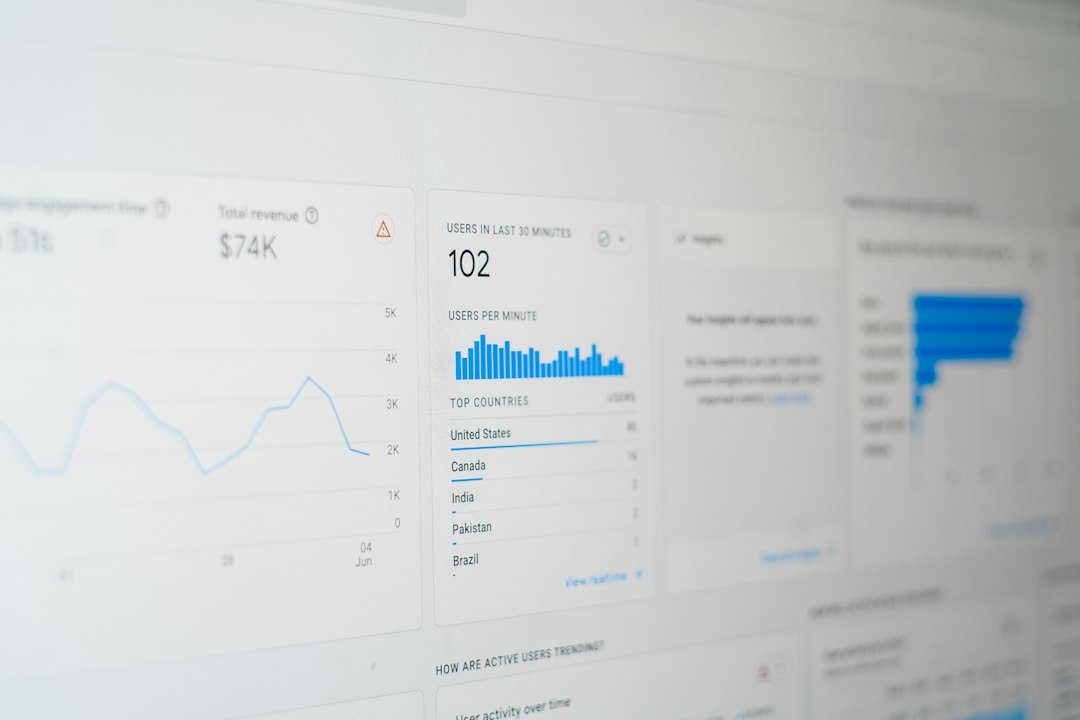
Start with questions, not tools
Many teams buy platforms before agreeing on the decisions they need to improve. That creates noise. Honestly, it feels like half the work becomes cleaning exports and explaining why two tools disagree by 9% on the same keyword volume.
Start with business questions such as:
- Which keywords should we protect with paid search because they drive high-value leads?
- Where can SEO reduce PPC costs within the next two quarters?
- Which competitor is gaining share, and on which topics?
- What new demand is appearing before it shows up in revenue reports?
- Which landing pages deserve testing because both paid and organic users arrive there?
These questions help define the data model. They also prevent the common trap of reporting everything and deciding nothing.
Unify SEO and PPC keyword data
Keyword data is the best starting point because it connects intent to action. Create a shared keyword table that includes organic rank, organic clicks, paid impressions, cost per click, conversion rate, cost per lead, revenue, and landing page URL.
Then classify each keyword by role:
- Defend: high revenue terms where competitors bid aggressively and organic rank is unstable.
- Build: terms with high paid cost but clear organic potential.
- Buy: terms where paid search converts well, but SEO is unlikely to rank soon.
- Test: new or uncertain terms that need small PPC budgets before content investment.
- Cut: terms with weak intent, poor conversion, and no strategic value.
This simple classification can change budget talks fast. A keyword with 12,000 monthly searches may look attractive. But if it has a 0.4% conversion rate and no assisted revenue, it should not outrank a 900-search keyword that produces qualified sales calls.
Use PPC as a testing lab for SEO
PPC gives quick feedback. SEO takes longer. That is not a weakness if the two channels work together.
Use paid campaigns to test headlines, offers, landing pages, and search intent before building long-form content. If an ad group sends 1,500 visits to a landing page and converts at 5.2%, that topic deserves SEO attention. If another ad group burns $3,000 with no pipeline, pause before assigning writers and developers.
This is especially useful for new categories. Organic search data can lag. PPC search term reports show the actual phrases buyers use now. Those phrases often reveal product language the company would not choose on its own.
The catch is tool friction. Some ad platforms bury useful search term details behind too many clicks, and it can take 30 seconds longer than it should just to compare two date ranges. Export the data anyway. The signal is worth the irritation.
Read competitors across both paid and organic search
Competitor analysis should not stop at “who ranks above us.” That view is too thin. A rival may rank well but fail to convert. Another may rank lower but dominate high-intent paid terms every week.
Track competitors by topic cluster, not only by domain. For each cluster, review:
- Top ranking URLs and their content depth.
- Ad copy themes and offers.
- Estimated paid presence on high-intent terms.
- Backlink quality and referral sources.
- Review ratings, pricing language, and feature claims.
Patterns matter more than one-off changes. If a competitor publishes five comparison pages, starts bidding on “alternative” terms, and gains review mentions in the same month, that is a market move. Treat it as an early warning, not trivia.
Image not found in postmeta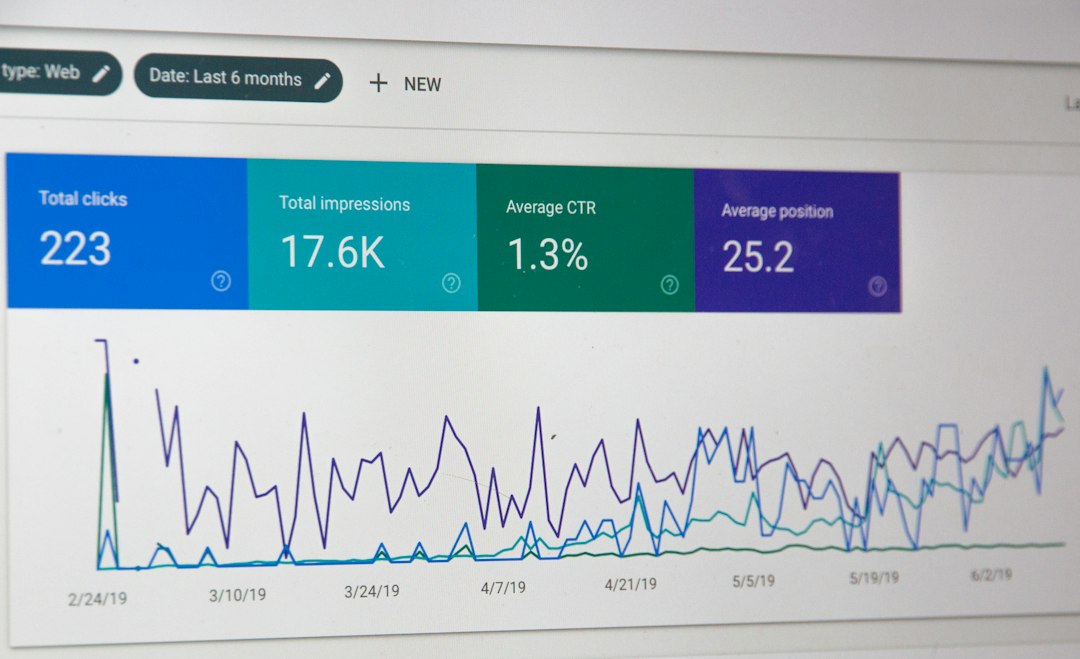
Add market data to avoid channel bias
SEO and PPC data show search behavior. Market data explains why behavior changes. A spike in “budget software” searches may come from seasonality, new regulation, layoffs, price sensitivity, or a competitor’s campaign.
Useful market signals include:
- Seasonality: month-by-month demand shifts and buying cycles.
- Category trends: growing or shrinking interest in key product areas.
- Customer voice: sales call notes, support tickets, reviews, and survey responses.
- Pricing signals: discount language, bundle offers, and competitor price changes.
- External events: regulation, supply shifts, economic pressure, and industry news.
Without this layer, teams may misread the data. A drop in conversion rate may not mean the landing page broke. It may mean buyers are comparing more vendors because budgets tightened.
Create a scoring model for decisions
A practical scoring model keeps debates grounded. Assign each keyword or topic a score from 1 to 5 across a few factors:
- Commercial intent: Is the searcher close to buying?
- Revenue value: Does the term connect to profitable products or services?
- Organic feasibility: Can the site realistically rank within 6 to 12 months?
- Paid efficiency: Are costs acceptable against conversion value?
- Competitive pressure: Are rivals investing heavily?
- Market momentum: Is demand growing, stable, or shrinking?
Then sort by total score and channel fit. A topic with high revenue value, rising demand, and moderate SEO difficulty may become a content priority. A term with strong conversion but brutal organic competition may stay in PPC. A low-intent, high-volume term may be ignored, even if it looks impressive in a report.
Build a weekly operating rhythm
Search intelligence only works if teams use it often. A monthly report is too slow for paid search and too vague for content planning. Set a weekly review for tactical issues and a monthly review for strategy.
During the weekly review, check:
- Paid search waste by query, match type, and landing page.
- Organic ranking drops on revenue terms.
- Competitor ad changes on priority keywords.
- New search terms with strong conversion signals.
- Landing pages where paid and organic traffic behave differently.
During the monthly review, decide what to build, pause, expand, or fix. Keep the meeting tied to actions. Reports that do not change decisions are just expensive decoration.
Image not found in postmeta
Connect data quality to trust
Bad data ruins confidence. No team should make budget decisions from messy tracking. Confirm that conversion tags fire correctly, CRM stages are mapped, branded and nonbrand terms are separated, and landing page URLs are standardized.
Also define attribution rules. Last-click data can undervalue SEO. First-click data can overstate early research content. Use several views, but agree on which one guides budget. For serious decisions, connect search data to pipeline, closed revenue, or qualified lead quality. Clicks alone are not enough.
What better decisions look like
A mature search intelligence process produces plain, useful decisions. Shift 15% of spend from weak broad match terms to high-intent exact match groups. Build three comparison pages because PPC proves they convert. Refresh ten pages that lost rank and still support pipeline. Stop chasing a competitor on broad informational terms because the revenue case is poor.
The result is not perfect prediction. It is better judgment. Teams see where demand is moving, where competitors are pressing, where paid search should carry the load, and where SEO can lower acquisition cost over time. That is the real value of search marketing intelligence: fewer guesses, clearer priorities, and money spent with discipline.