
Artificial intelligence has moved from experimental laboratories into everyday life with remarkable speed. What was once limited to research papers and speculative fiction is now woven into classrooms, contact centers, and mobile devices across the globe. Organizations are leveraging AI-driven tools to enhance decision-making, automate repetitive tasks, and deliver more personalized experiences. Among the most significant transformations are unfolding in two critical domains: learning and customer service, where smart assistance is reshaping how people acquire knowledge and how businesses interact with their audiences.
TLDR: Artificial intelligence is redefining both education and customer service by delivering personalized, efficient, and scalable support. In learning environments, AI adapts to students’ needs, automates assessments, and enhances engagement. In customer service, it streamlines communication, reduces response times, and improves customer satisfaction. While challenges remain, the strategic implementation of AI is proving to be a decisive advantage for modern institutions and businesses.
The new era of smart assistance is not about replacing human expertise; rather, it is about augmenting it. By combining computational speed with human insight, AI systems are enabling more responsive and effective support structures. As these technologies mature, they are setting new standards for accessibility, efficiency, and personalization.
AI in Learning: Personalized, Adaptive, and Scalable
Traditional education models have long struggled with scalability. A single instructor is often responsible for addressing the varied learning speeds, styles, and backgrounds of dozens—or even hundreds—of students. AI-powered learning systems are helping bridge this gap by enabling personalized instruction at scale.

Personalized Learning Paths
One of AI’s most transformative contributions to education is its ability to analyze student performance data in real time. By tracking metrics such as quiz results, time spent on tasks, and engagement levels, AI can dynamically adjust course content.
- Adaptive content delivery: Lessons become easier or more challenging based on performance.
- Targeted remediation: Students receive additional exercises in areas of weakness.
- Accelerated progression: Advanced learners can move forward without waiting for the entire class.
This tailored approach not only improves comprehension but also increases motivation. Students are less likely to feel overwhelmed or disengaged.
Intelligent Tutoring Systems
AI-driven tutoring platforms simulate one-on-one instruction. Unlike static online courses, intelligent tutoring systems interact with learners, ask probing questions, and provide contextual feedback.
These systems offer:
- 24/7 availability
- Immediate feedback on assignments
- Language support for global accessibility
- Data-driven progress reports
For institutions with limited resources, such tools provide a cost-effective method of expanding access to high-quality support without overburdening faculty.
Automated Administrative Support
Beyond instruction, AI also relieves educators of time-consuming administrative tasks. Automated grading systems, plagiarism detection tools, and predictive analytics for student retention free instructors to focus more on mentorship and curriculum development. Predictive models can even identify students at risk of dropping out, enabling timely intervention strategies.
AI in Customer Service: Efficiency Meets Empathy
Customer expectations have evolved dramatically in the digital age. Consumers demand immediate responses, personalized communication, and seamless experiences across channels. AI-powered smart assistance is meeting these demands by enhancing both speed and accuracy.

Intelligent Chatbots and Virtual Assistants
Modern chatbots have advanced far beyond scripted decision trees. Leveraging natural language processing (NLP), they can interpret complex inquiries, detect sentiment, and provide contextually relevant responses.
Key advantages include:
- Instant response times, regardless of time zone
- Scalability during peak demand periods
- Consistency in answers and brand messaging
- Cost efficiency through reduced manual workloads
Importantly, AI systems can seamlessly escalate complex issues to human agents. This hybrid model ensures that customers receive empathy and nuanced support when needed.
Predictive Customer Insights
AI systems analyze historical data to anticipate customer needs. By examining purchasing behavior, browsing patterns, and prior interactions, algorithms can recommend products, identify dissatisfaction risks, and suggest proactive solutions.
For example, predictive analytics can:
- Identify customers likely to churn
- Recommend tailored promotions
- Forecast service bottlenecks
- Enhance inventory planning
This proactive approach transforms customer service from reactive problem-solving into strategic relationship management.
Voice and Sentiment Recognition
Advanced AI tools now analyze tone, pacing, and wording during voice interactions. Sentiment detection algorithms help organizations monitor call quality and customer mood in real time. Supervisors can intervene when necessary, and post-call evaluations become more data-driven and objective.
These insights support continuous improvement and foster a culture of accountability within customer support teams.
Comparison of Leading AI Assistance Tools
As AI adoption accelerates, organizations face increasing choices among platforms and providers. The decision often depends on specific goals, integration requirements, and regulatory considerations.
| Tool Type | Primary Use | Strengths | Best For |
|---|---|---|---|
| Adaptive Learning Platforms | Personalized education | Real time analytics, individualized pacing | Schools, universities, corporate training |
| Intelligent Tutoring Systems | One on one academic support | Interactive feedback, 24 7 availability | Remote learners, skills development programs |
| AI Chatbots | Automated customer interactions | Instant responses, cost efficiency | E commerce, banking, telecom |
| Predictive Analytics Engines | Behavior forecasting | Churn prediction, targeted insights | Subscription businesses, SaaS companies |
| Sentiment Analysis Systems | Emotion detection | Quality monitoring, real time mood tracking | Call centers, support teams |
While each category serves a distinct purpose, organizations often combine multiple systems to build a cohesive smart assistance ecosystem.
The Human Element: Collaboration, Not Replacement
A common concern surrounding AI is job displacement. However, in both education and customer service, evidence increasingly indicates that AI functions most effectively as a collaborative tool rather than a replacement for human professionals.
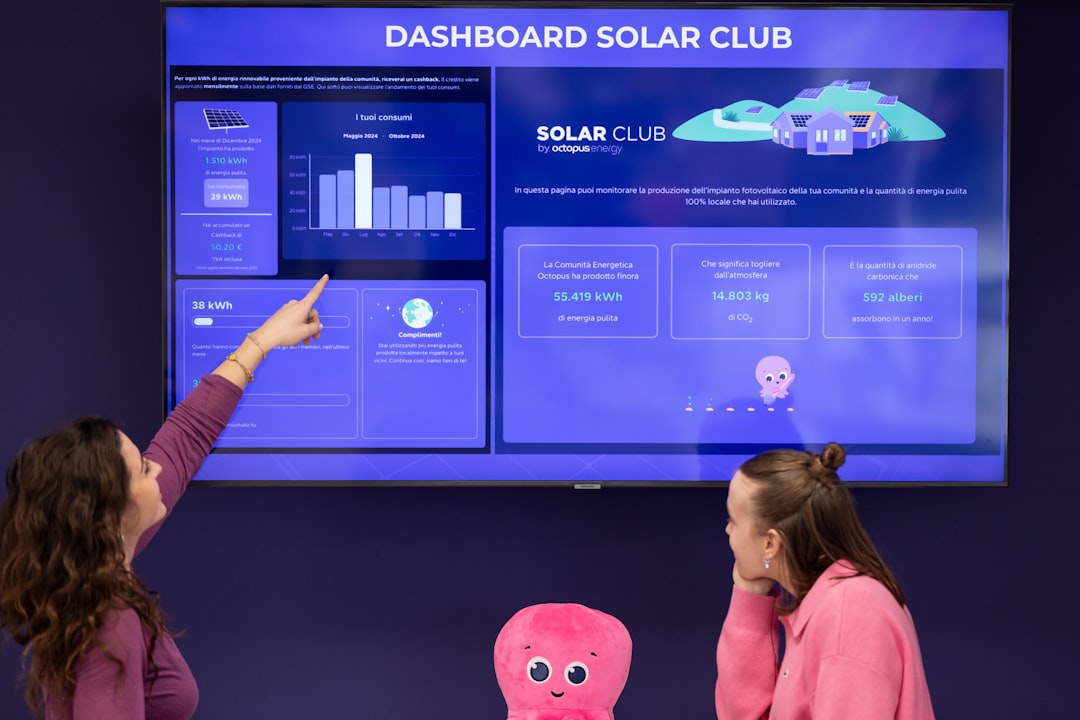
In learning environments, instructors interpret nuanced student behaviors and provide mentorship—roles that remain uniquely human. In customer service, empathy, negotiation skills, and cultural sensitivity are areas where human agents excel. AI handles data-heavy or repetitive tasks, allowing professionals to focus on strategic and relational dimensions.
This synergy yields several benefits:
- Reduced burnout among educators and support staff
- Improved service quality and response speed
- More meaningful human interactions
Ethical Considerations and Data Responsibility
With great opportunity comes significant responsibility. AI systems depend on data, and the collection and processing of personal information raise legitimate privacy concerns. Transparent data governance policies, robust encryption protocols, and regulatory compliance are essential to maintaining trust.
Bias in algorithms is another pressing issue. If training data reflects historical inequities, AI systems can perpetuate or magnify those biases. Institutions must commit to:
- Regular algorithm audits
- Diverse training datasets
- Clear accountability frameworks
- Inclusive design practices
Responsible AI implementation is not optional—it is fundamental to long-term sustainability and public confidence.
The Road Ahead
Looking forward, advancements in generative AI, multimodal systems, and real-time translation technologies promise even more integrated forms of smart assistance. Virtual classrooms may increasingly feature AI co-instructors capable of handling routine explanations while teachers focus on higher-order critical thinking tasks. Customer service platforms are likely to become predictive ecosystems, anticipating needs before customers articulate them.
Moreover, ongoing improvements in explainable AI will enhance transparency, making algorithmic decisions easier to understand and trust. As systems become more intuitive, human-AI interaction will feel less mechanical and more collaborative.
However, technology alone cannot drive progress. Effective implementation requires thoughtful leadership, strategic investment, and continuous training. Organizations must cultivate digital literacy among employees and foster cultures that embrace innovation without compromising ethical standards.
Conclusion
The transformation of learning and customer service through AI-driven smart assistance marks a defining shift in modern society. By delivering personalized education, automating administrative burdens, accelerating customer response times, and generating predictive insights, AI is enhancing both efficiency and experience. Crucially, the most successful applications balance automation with human judgment and empathy.
As institutions and businesses navigate this evolving landscape, trust, transparency, and accountability must remain central priorities. When deployed responsibly, AI does not diminish human roles—it elevates them. The new era of smart assistance is not merely about smarter machines; it is about building systems that empower people to learn more effectively, serve more thoughtfully, and connect more meaningfully.