Finding good software can feel like digging through a sock drawer in the dark. You know the right tool is in there. You just do not want to spend all day hunting for it. Prizmatem resources can make that search faster, cleaner, and a lot less boring.
TLDR: Prizmatem resources help you find, compare, and list software tools in a simple way. The best resources include tool directories, review pages, category lists, pricing guides, and comparison tables. Use them to save time, avoid bad picks, and discover better tools. Start with clear needs, then use filters, reviews, and side by side checks.
Why Software Listings Matter
Software is everywhere now. There is an app for writing. There is a tool for design. There is a platform for sales, support, planning, hiring, billing, and even watering your plants.
That is great. It is also a lot.
Without a good listing resource, you may open 30 tabs. Then 40. Then your browser starts sounding like a tiny jet engine. Not fun.
A strong software listing helps you see choices in one place. It gives you names, features, prices, ratings, and use cases. It helps you say, “Yes, this one fits” or “Nope, not today.”
That is where Prizmatem style resources can shine. They can turn a messy hunt into a clear path.
1. Curated Software Directories
A curated directory is like a neat shelf in a giant tool shop. Everything is labeled. Everything has a place. You do not need to know every brand name before you begin.
Good directories group tools by category. For example:
- Project management tools
- Marketing tools
- AI writing tools
- Customer support platforms
- Analytics dashboards
- Finance and invoicing apps
This is useful because most people do not search by company name. They search by problem. They say, “I need a tool to manage my team,” not “I need RandomApp 9000.”
The best directories keep things simple. They show what the tool does. They show who it is for. They also show basic pricing. That saves time and brain power.

2. Category Landing Pages
Category pages are the power snacks of software research. They are small. They are useful. They give you energy fast.
A strong category page explains the type of software in plain words. It may answer questions like:
- What does this type of tool do?
- Who needs it?
- What features should I look for?
- What does it usually cost?
- What are the common mistakes?
For example, a page about email marketing tools should not drown you in jargon. It should explain lists, campaigns, templates, automation, and reports. It should also make it clear why a bakery, a coach, and a software startup may need different features.
Simple category pages are great for beginners. They are also great for busy managers. Nobody wants to read a 90 page scroll monster before choosing a calendar tool.
3. Side by Side Comparison Tables
Comparison tables are where the magic happens. They put tools next to each other. You can compare features without bouncing between websites like a caffeinated kangaroo.
A useful table may include:
- Starting price
- Free plan details
- Main features
- Best use case
- Integrations
- Support options
- User rating
These tables work best when they are not too crowded. Too much data can become soup. You want enough detail to decide. You do not need every tiny button listed.
Look for comparison pages that explain the real difference between tools. One tool may be cheaper. Another may be easier. A third may have stronger reports. The best choice depends on your goal.
4. User Reviews and Ratings
User reviews are like hallway gossip, but useful. They show what happens after the sales page ends.
A product page may say, “Easy setup.” A user review may say, “Setup took ten minutes and I did not cry.” That is valuable information.
Good Prizmatem resources should make reviews easy to scan. They should show both praise and pain points. A tool with only perfect reviews can feel suspicious. Real tools have quirks. Real users have opinions.
When reading reviews, look for patterns. One angry review may not mean much. Ten reviews complaining about slow support may be a warning flag.
Pay attention to details like:
- How easy the tool is to learn
- How fast support responds
- How often bugs appear
- How useful the free plan is
- How fair the pricing feels
Reviews help you see beyond the shiny homepage.
5. Pricing Guides
Pricing can be sneaky. A tool may say it starts at a low price. Then you need add ons. Then you need more seats. Then you need a higher plan because the one feature you want is locked away like dragon treasure.
A pricing guide helps you spot this early.
Great pricing resources explain:
- Free plan limits
- Monthly price
- Annual discounts
- Team seat costs
- Usage limits
- Hidden fees
- Trial length
This is very important for small teams. A low price can grow fast. One user may cost $12 per month. Ten users may cost $120. Add premium support, and your wallet may start sweating.
A smart software listing should help you estimate the real cost. Not just the cute starter price.
6. “Best For” Lists
Not every tool is best for everyone. That is why “best for” lists are so helpful.
These lists match tools with user types. For example:
- Best for freelancers
- Best for small teams
- Best for agencies
- Best for large companies
- Best for beginners
- Best for technical users
This saves time. A giant enterprise platform may be amazing. It may also be too heavy for a solo creator. A simple app may be perfect for a freelancer. It may be too basic for a company with 500 people.
Good “best for” lists explain the reason behind each pick. They should not just say, “This is best.” They should say, “This is best because it is simple, affordable, and quick to set up.”
7. Feature Checklists
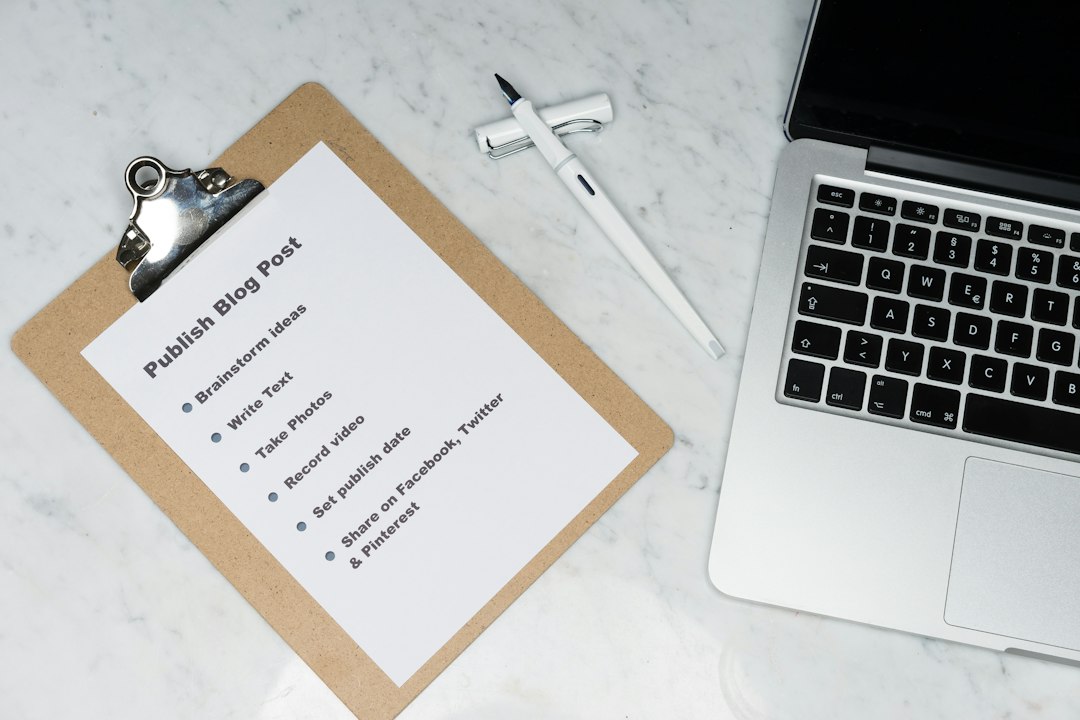
A feature checklist is like a shopping list. Without one, you may come home with glitter, snacks, and no dinner.
Before choosing a tool, make a list of must have features. Then use listing resources to check each option.
For a project management tool, your list may include:
- Tasks and subtasks
- Calendar view
- Team comments
- File sharing
- Time tracking
- Mobile app
- Reports
For a customer support tool, your list may include:
- Shared inbox
- Live chat
- Knowledge base
- Ticket routing
- Customer history
- Automation
The trick is to separate must have from nice to have. Must have means you truly need it. Nice to have means it would be cool, like cup holders on a spaceship.
8. Fresh Tool Roundups
Software changes fast. New tools arrive all the time. Old tools add features. Some tools change prices. Some vanish like socks in a dryer.
Fresh roundups help you keep up. These may include:
- New software launches
- Updated tools
- Trending apps
- Popular tools by category
- Fast growing platforms
This is great for people who love finding hidden gems. It is also useful for businesses that want modern tools. A new app may solve a problem in a better way. It may use AI. It may automate boring work. It may save hours each week.
Still, be careful. New does not always mean better. Sometimes new means buggy. Use roundups as a starting point. Then check reviews, pricing, and support.
9. Editorial Guides and How To Articles
A listing tells you what exists. A guide tells you how to choose.
That is a big difference.
Editorial guides can explain how to compare tools, test trials, build a software budget, or switch from one app to another. They can also explain common terms. That helps a lot if you are new to a category.
Good guides use simple words. They avoid buzzword fog. They break ideas into steps.
For example, a guide on choosing accounting software may say:
- List your business needs.
- Check tax features.
- Review invoice tools.
- Compare bank connections.
- Test reporting.
- Ask your accountant.
That is clear. That is useful. That is much better than saying, “Optimize financial workflow synergies.” Nobody wants that sentence at breakfast.
10. Integration Information
Software does not live alone. It needs friends. It may need to connect with your email, calendar, payment tool, CRM, chat app, or website.
That is why integration details matter.
A good Prizmatem listing should show what each tool connects with. It should also say whether the connection is native or needs another service. Native means built in. That is usually easier.
Integration info helps you avoid awkward surprises. You do not want to buy a tool and then learn it does not connect with your main system. That is like buying a phone charger for the wrong planet.

11. Screenshots and Demo Notes
Words are helpful. Pictures are faster.
Screenshots show what a tool really looks like. Is it clean? Is it crowded? Does it feel modern? Does it look like it was built during the dinosaur era?
Demo notes are also useful. They can explain setup steps, dashboard layout, and common actions. A listing with screenshots makes it easier to imagine using the tool every day.
This matters because design affects work. A confusing tool can slow your team down. A clear tool can make work feel lighter.
12. Submission Resources for Tool Makers
Software listings are not only for buyers. They are also useful for makers.
If you build a tool, you need people to find it. A resource that explains how to submit a product can be very valuable.
A good submission page should explain:
- What information to include
- Which categories are available
- How reviews work
- What images are needed
- How long approval may take
- How updates can be requested
Tool makers should prepare a clear description. Say what the product does. Say who it helps. Avoid fluffy claims. “We help small teams schedule social posts faster” is better than “We revolutionize digital engagement ecosystems.”
Simple wins.
How to Use These Resources the Smart Way
Here is a simple plan.
- Name the problem. Be clear about what you need.
- Pick a category. Start broad, then narrow down.
- Use filters. Sort by price, features, team size, or rating.
- Read reviews. Look for patterns, not drama.
- Compare three to five tools. Do not compare fifty.
- Test the trial. Use a real task, not random clicking.
- Check the full cost. Include seats and upgrades.
- Ask your team. They may spot issues you miss.
This method keeps things calm. It stops tool hunting from becoming a wild goose chase wearing a business hat.
Common Mistakes to Avoid
It is easy to choose the wrong tool. It happens. But you can avoid the big mistakes.
- Do not choose only by price. Cheap can be costly if it wastes time.
- Do not ignore support. You will need help one day.
- Do not buy too many features. More buttons can mean more confusion.
- Do not skip the trial. A demo is not the same as real use.
- Do not forget integrations. Your tools should work together.
The best software is not always the biggest. It is not always the newest. It is the one that fits your job, your team, and your budget.
Final Thoughts
Top Prizmatem resources for software and tool listings can make software discovery much easier. They help you compare options, read real feedback, check prices, and understand features without getting lost.
Use directories to explore. Use category pages to learn. Use comparison tables to decide. Use reviews to spot real world issues. Use pricing guides to protect your budget.
Most of all, keep it simple. Start with your problem. Look for a tool that solves it well. Then test it before you commit.
Good software should feel like a helper, not a homework assignment. With the right listing resources, you can find tools that save time, reduce stress, and maybe even make work a little more fun.