
A search assistant is an AI-powered interface that helps people ask better questions, interpret results, and complete research without sorting through pages of links. It changes discovery because the user no longer starts with keywords alone. They start with intent, context, and follow-up questions.
TLDR: A search assistant turns search into a guided conversation, not a list of blue links. For example, a buyer can ask, “Which project management tool is best for a 12-person agency under $200 per month?” and get a ranked answer with tradeoffs. In one common content audit, teams may find that 20% of pages create 80% of answer visibility because those pages explain entities, comparisons, pricing, and use cases clearly. SEO now depends less on repeating keywords and more on earning trust inside AI-generated answers.
What a search assistant actually does
A search assistant is software that uses artificial intelligence to understand a question, retrieve information, summarize sources, and recommend the next step. It may sit inside a search engine, a website, an ecommerce store, a support portal, or a workplace knowledge base.
Traditional search asks users to type a query and inspect results. A search assistant does more. It can:
- Clarify intent when a query is vague.
- Combine information from several sources.
- Summarize long documents into plain language.
- Compare options based on criteria such as price, location, risk, or quality.
- Keep context across follow-up questions.
- Trigger actions, such as booking, filtering, drafting, or contacting support.
The difference sounds simple. It is not. Search used to be a retrieval task. Now it is becoming an answer and decision system.
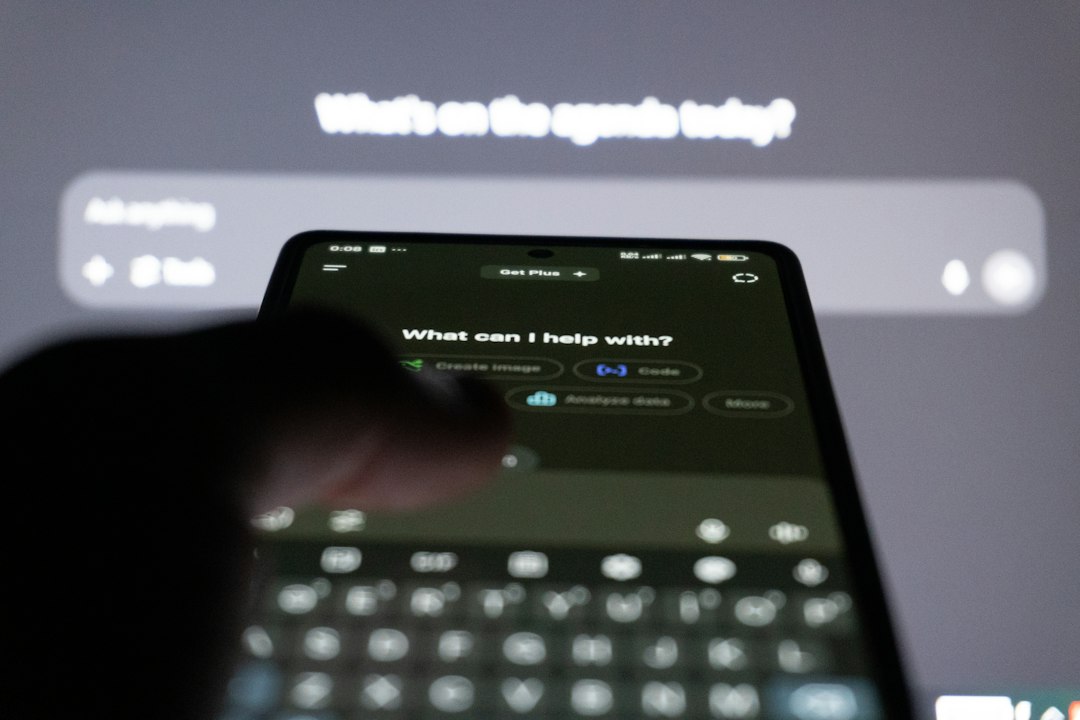
How AI-powered search changes discovery
Discovery used to depend on users choosing the right words. If they searched poorly, they got poor results. AI reduces that burden. A user can ask a messy question and still receive a useful answer.
For example, someone might type: “I need software for invoices, recurring clients, tax reports, and two team members.” A search assistant can detect that the user is likely comparing accounting tools for a small business. It can then suggest categories, ask budget questions, and compare products.
This changes the path from awareness to decision. People may skip several steps that once created website visits. They may not read five articles. They may ask one assistant and scan one answer. That is useful for users. It is stressful for publishers and marketers.
The catch is that many assistants still make the user wait a few seconds for a polished answer, then hide the messy source trail. That lag feels small once. It gets annoying when someone is checking ten product claims in a row. Trust depends on speed, source quality, and clear citations.
Why this matters for SEO
SEO is not dead. But it is changing. Search engines still need high-quality pages to train, retrieve, cite, and summarize. The problem is that visibility may not look like a standard ranking anymore.
A brand can appear in an AI answer without getting a click. Another brand can rank in classic search but be ignored by an assistant because its content is thin, unclear, outdated, or hard to parse. That is a real shift.
SEO teams now need to ask different questions:
- Can AI systems identify what this page is about?
- Does the page answer a specific question better than competitors?
- Are claims supported by clear evidence?
- Is the author, organization, or source credible?
- Are prices, dates, specifications, and policies current?
- Can the content be quoted safely without losing meaning?
Old keyword stuffing looks even worse in this setting. AI search rewards content that is precise, well structured, and useful. It punishes vague copy by simply leaving it out.
From keywords to entities, intent, and context
Classic SEO often focused on keywords. AI search pays more attention to entities, relationships, and context. An entity can be a product, person, company, place, medical condition, regulation, feature, or concept.
If your page is about email marketing software, an assistant may connect it to entities such as automation, deliverability, segmentation, CRM tools, Shopify, GDPR, and pricing tiers. The page should make those relationships clear. Do not force the assistant to guess.
Content should also map to intent. A user searching “best laptop for architecture student” may care about GPU power, battery life, screen size, weight, student discounts, and software compatibility. A weak page lists ten laptops. A strong page explains why each option fits or fails.
What good content looks like in AI search
AI-powered search interfaces prefer content that can be broken into reliable answer units. This does not mean writing for robots. It means writing in a way that reduces doubt.
Strong pages often include:
- Direct answers near the top of the page.
- Clear headings that reflect real user questions.
- Structured comparisons with honest pros and cons.
- Original data, such as surveys, benchmarks, or case results.
- Named sources and citations for factual claims.
- Schema markup for products, reviews, FAQs, articles, and organizations.
- Fresh dates when facts change often.
It drives me crazy that some sites still bury the answer under 600 words of filler. Users dislike that. AI systems dislike it too. If the answer is simple, say it early. Then add depth for readers who need it.
Impact on ecommerce and site search
Search assistants are not limited to Google or Bing-style search. They are also changing internal site search. This is especially clear in ecommerce.
A shopper may type, “comfortable black shoes for standing all day, under $120, not leather.” Standard search might return every black shoe. A better assistant filters by comfort, material, price, reviews, and likely use case. It may ask about width or workplace dress rules.
This can improve conversion. It can also expose weak product data. If sizes, materials, return rules, and reviews are inconsistent, the assistant gives poor recommendations. Expect to waste time on cleanup if your product catalog was built only for human browsing.
For ecommerce SEO, product pages need more than photos and short blurbs. They need attributes, use cases, comparison points, care instructions, shipping details, and review themes. The richer the data, the better the assistant can match product to intent.
Risks: accuracy, bias, and lost context
Search assistants are powerful, but they are not neutral magic. They can summarize badly. They can overstate confidence. They can favor well-known sources. They can miss new information. They can also blend facts from several pages in a way no source actually claimed.
That creates risk for users and brands. Medical, legal, financial, and safety content need special care. AI-generated answers in these areas should cite reputable sources and encourage professional advice when needed.
Brands should monitor how assistants describe them. Check product names, pricing, policies, executive details, locations, and major claims. If public information is inconsistent, the AI answer may be inconsistent too.

How to prepare your SEO strategy
Start with the pages that matter most. Usually, these are product pages, comparison pages, category pages, support articles, and expert guides. Then improve them for both humans and AI retrieval.
- Answer the main question first. Do not make readers hunt.
- Add evidence. Use data, screenshots, tests, quotes, or documented experience.
- Define entities clearly. Make products, people, features, places, and terms easy to identify.
- Use structured formatting. Tables, lists, summaries, and FAQs help extraction.
- Maintain consistency. Match facts across your website, listings, profiles, and documentation.
- Update often. Stale pricing or old screenshots reduce trust.
- Track new visibility signals. Monitor citations, brand mentions, zero-click answers, referral shifts, and assisted conversions.
The future of search assistants
Search assistants will become more personal and task-focused. They will remember preferences, compare sources, summarize reviews, and complete actions. Users will expect answers that are fast, sourced, and specific.
For SEO, the goal is still visibility. The method is broader. Brands must become easy to understand, easy to verify, and safe to recommend. That means clear content, strong technical foundations, real expertise, and clean data.
The practical rule is simple: if an expert would trust your page, a search assistant is more likely to use it. If the page is vague, bloated, or outdated, it may vanish from the answer layer. That is where discovery is moving, and serious SEO teams should prepare now.