
Social media once promised authentic connection, spontaneous sharing, and a digital extension of real life. Over time, however, many users have begun to feel that online spaces no longer reflect genuine experiences but instead showcase carefully engineered personas. Platforms that were initially designed to connect friends and communities now often resemble curated stages where performance outweighs sincerity. The sense that social media feels fake and overly artificial today comes from a combination of technological, psychological, and cultural shifts.
TLDR: Social media feels artificial because algorithms prioritize engagement over authenticity, influencers curate unrealistic lifestyles, and users feel pressure to perform rather than connect. Filters, metrics, and monetization systems have turned everyday interactions into staged content. As a result, many people experience comparison fatigue, distrust, and emotional exhaustion. The platforms still connect people, but the environment often rewards performance more than reality.
The Rise of the Curated Persona
One of the most noticeable shifts in social media culture is the rise of the curated identity. Users no longer simply share moments; they craft them. Photos are edited, captions are refined, and even candid moments are strategically selected. Rather than documenting life as it unfolds, many individuals present highlight reels that project success, happiness, and aesthetic perfection.
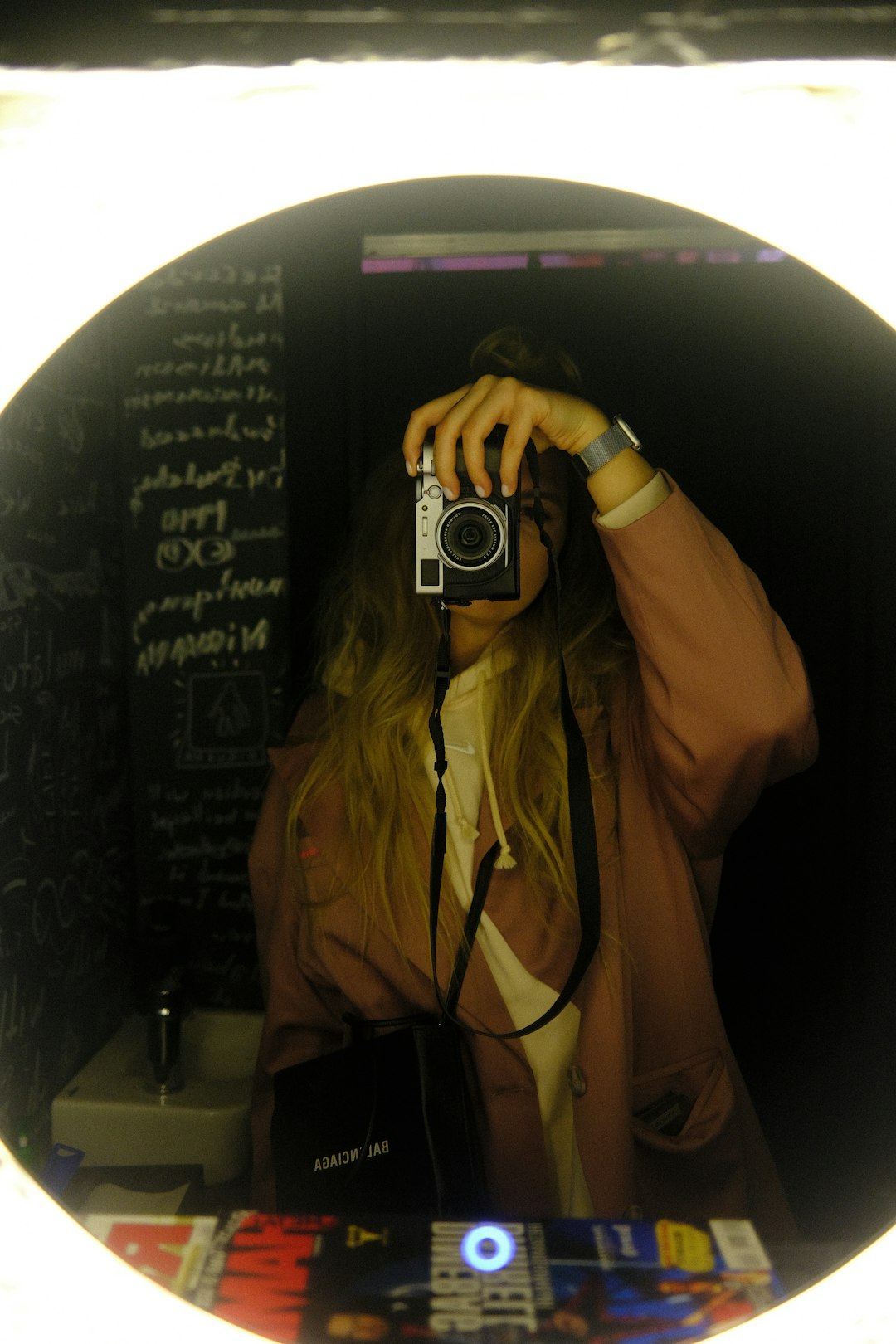
The pressure to present an idealized version of oneself stems partly from platform design. Likes, shares, and comments act as social currency. Posts that appear polished and aspirational tend to generate higher engagement, reinforcing the idea that only perfected content is worth sharing. Over time, authenticity feels risky, while presentation feels safe.
This creates a feedback loop: users see polished content, feel inadequate, and then polish their own content in response. As more people follow this pattern, the overall atmosphere becomes increasingly artificial.
Algorithms Reward Performance Over Authenticity
Behind every feed sits an algorithm engineered to maximize attention. These systems prioritize content that generates clicks, reactions, and watch time. Controversy, outrage, glamour, and spectacle often outperform nuanced or ordinary experiences. As a result, users who want visibility feel compelled to adapt their content to algorithmic preferences.
- Emotional extremes get more engagement than balanced perspectives.
- Visually striking posts outperform simple snapshots.
- Short, dramatic messaging spreads faster than thoughtful discussion.
Platforms are not necessarily designed to promote authenticity; they are designed to sustain attention. When engagement becomes the primary metric of success, users become performers responding to invisible incentives. Even individuals who begin with sincere intentions may gradually adjust their tone, style, and content to remain visible.
The Monetization of Everyday Life
Another factor contributing to artificiality is the commercialization of personal expression. Influencers and content creators often transform daily routines into branded experiences. Simple moments—morning coffee, workouts, vacations—are reframed as opportunities for sponsorship and product placement.

This blending of life and marketing changes how audiences interpret authenticity. When followers know that posts may be sponsored or strategically positioned to attract brand deals, skepticism increases. Even genuine endorsements can feel rehearsed. The line between honest sharing and advertisement becomes blurred.
Furthermore, everyday users may subconsciously imitate influencer aesthetics. Carefully staged home offices, color-coordinated outfits, and mood-lit meals are increasingly common—even among those who are not earning money. The pervasive awareness that “content” can be monetized creates performative behavior across the platform.
Filters, Editing Tools, and the Illusion of Perfection
Technology has made digital enhancement effortless. Filters smooth skin, adjust lighting, and alter facial features in seconds. Photo-editing apps allow extensive customization without professional skills. While these tools can be creative and fun, they also contribute to an environment where reality feels insufficient.
When nearly every image is subtly enhanced, unfiltered content appears dull or flawed by comparison. This shifts collective standards of beauty and normalcy. The result is an ecosystem where natural images can seem out of place.
Over time, constant exposure to perfected visuals distorts perception. Users may intellectually understand that images are edited, yet emotionally respond as though they represent attainable reality. This disconnect fosters dissatisfaction and reinforces the cycle of artificial presentation.
The Pressure to Perform Constantly
In earlier digital communities, participation was often sporadic. Today, many platforms reward consistency and volume. Regular posting increases visibility, leading creators and ordinary users alike to feel pressure to produce ongoing content.
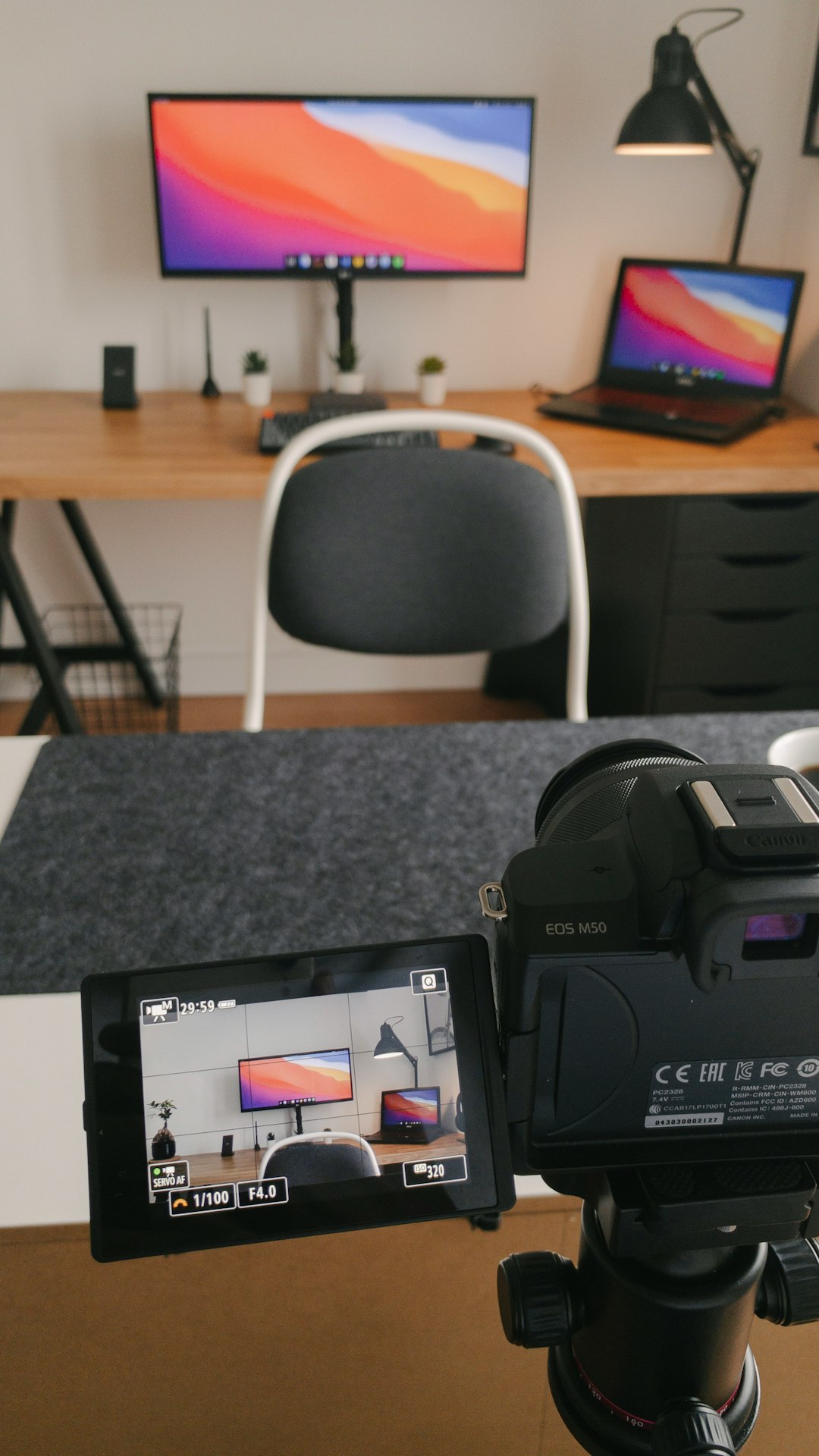
This demand for continuity transforms lived experience into a pipeline for production. Moments are evaluated for their shareability. Vacations become photo sessions, meals become backdrops, and personal milestones become engagement opportunities. The boundary between living and broadcasting grows thinner.
As performance becomes habitual, spontaneity diminishes. Instead of asking, “What feels meaningful to share?” users may ask, “What will perform well?” This subtle shift contributes significantly to the perception that social media interactions lack sincerity.
Comparison Culture and Emotional Fatigue
An artificial environment also fosters constant comparison. When most users share curated successes, viewers are exposed to a continuous stream of achievements, beauty, travel, and prosperity. Even if each individual post represents only a highlight, the cumulative effect creates the illusion that everyone else is thriving all the time.
This phenomenon, often referred to as comparison culture, intensifies feelings of inadequacy. Instead of serving as inspiration, curated content can produce anxiety and diminished self-worth. As audiences grow more aware of this emotional toll, they may begin to perceive the entire ecosystem as inauthentic.
Emotional fatigue compounds the problem. Endless scrolling through staged content can feel hollow rather than connecting. When interactions revolve around metrics instead of meaningful dialogue, users may disengage or participate mechanically, further reinforcing artificial norms.
The Role of Viral Trends and Homogenization
Another contributor to artificiality is the dominance of viral trends. Challenges, audio clips, dance routines, and meme formats spread rapidly across platforms. While trends encourage participation, they also standardize expression. Feeds become filled with nearly identical variations of the same content.
This homogenization reduces individuality. Users adapt themselves to fit prevailing formats rather than crafting unique expressions. Although trends can foster a sense of belonging, they also amplify the impression that content is formulaic.
When originality becomes secondary to trend participation, authenticity is diluted. Users may feel as though they are watching coordinated performances rather than glimpses into distinct lives.
Diminished Intimacy and Surface-Level Interaction
Early social media interactions often centered around small, interconnected communities. As platforms scaled globally, interactions shifted toward broader audiences. Public metrics such as follower counts and viral reach changed the tone of communication.
Instead of addressing close friends, many users now speak to imagined audiences. Captions are written for visibility, not vulnerability. Comment sections frequently emphasize brief reactions over sustained conversation.
- Short emojis replace thoughtful replies.
- Quick reactions replace nuanced engagement.
- Public validation becomes prioritized over private connection.
The larger the audience, the more guarded the presentation tends to be. Intimacy fades, replaced by broadcast-style communication. This structural shift reinforces the perception that interactions lack depth.
The Awareness of Being Watched
Modern users are highly aware that their content is subject to scrutiny—not only from peers but from employers, brands, and even future audiences. This awareness shapes self-presentation. People become cautious, editing themselves to avoid misinterpretation or backlash.
Such self-monitoring discourages spontaneity. When every post carries potential long-term consequences, authenticity can feel risky. The safest strategy becomes neutrality and polish, which further contributes to the feeling of artificiality.
Can Authenticity Be Reclaimed?
Despite these trends, authenticity on social media has not disappeared entirely. Many users actively push back against perfection culture by sharing unfiltered experiences, discussing mental health openly, or limiting their reliance on metrics. Smaller, private communities and niche platforms often foster more genuine interactions.
Some emerging movements emphasize:
- Digital minimalism
- Unedited or minimally edited content
- Long-form conversation over short clips
- Community-centered engagement rather than virality
Ultimately, social media feels artificial not because authenticity no longer exists, but because platform incentives often reward performance more than sincerity. When financial systems, algorithms, and social validation intertwine, performance becomes normalized.
Recognizing these dynamics allows users to navigate platforms more consciously. The artificial atmosphere arises from collective participation in systems that prioritize visibility and engagement. By understanding those systems, individuals can make more deliberate choices about how they present themselves and how they consume content.
Frequently Asked Questions (FAQ)
1. Why does social media feel more fake now than it did years ago?
In earlier stages, platforms were primarily used among smaller friend groups. As monetization, influencer culture, and algorithmic optimization expanded, content became more curated and performance-driven. These structural changes increased perceived artificiality.
2. Are influencers responsible for making social media feel artificial?
Influencers play a role, particularly through curated branding and sponsored content. However, platform algorithms and user behavior also contribute significantly. Artificiality is a systemic issue rather than the result of any one group.
3. Do filters and editing tools harm authenticity?
Filters themselves are neutral creative tools. The problem arises when heavily edited content becomes the norm, shifting expectations and making natural appearances seem inadequate by comparison.
4. Can social media still be authentic?
Yes. Authenticity is possible when users prioritize honest expression over engagement metrics and when communities focus on meaningful interaction rather than public performance.
5. How can individuals avoid contributing to artificial culture online?
They can share content that reflects genuine experiences, limit over-editing, engage in thoughtful conversation, and avoid excessive comparison. Being mindful of algorithmic incentives also helps maintain perspective.
Social media’s artificial atmosphere is not inevitable, but it is deeply connected to how platforms are built and used. Whether it continues to feel staged or becomes more genuine depends largely on collective awareness and intentional participation.